
Start
$590$990/month
1 platform · Google or MetaGoogle + Meta- Ad spend
- up to $3,000
- New creativesmade by us
- Google + Meta only4 a month
 By Matteo Braghetta, Founder · Google Ads
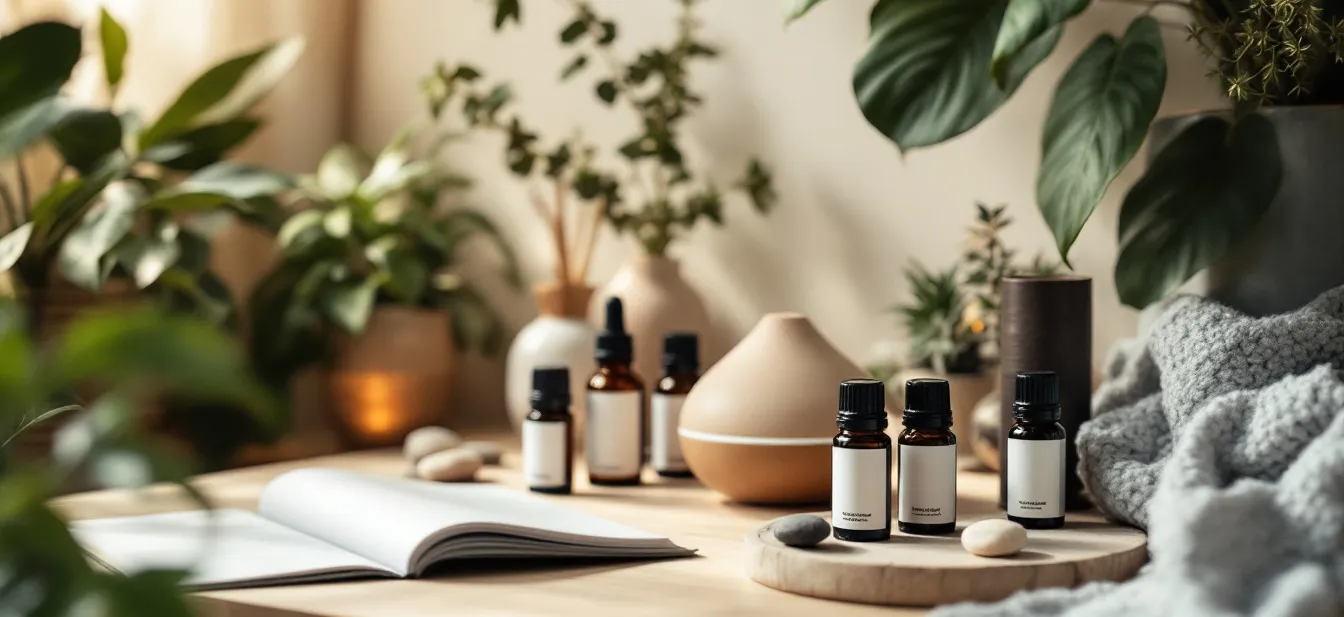
In the world of digital marketing, understanding how to effectively reach your audience is paramount, especially for niche markets like essential oils and aromatherapy. With Google Ads, brands have the opportunity to connect with consumers actively searching for wellness solutions. However, choosing the right keywords can make or break a campaign. In this article, we will explore ten essential keywords, strategies for finding the perfect match types, leveraging seasonal keywords, and techniques for monitoring trends to optimize your ad performance constantly.
When delving into Google Ads, using the right keywords is crucial for attracting potential customers. Below are ten essential keywords that every essential oils and aromatherapy brand should consider integrating into their Google Ads strategy:

Each keyword serves a unique purpose, tapping into different facets of consumer intent. For example, "essential oils" and "organic essential oils" cater to general queries, whereas "aromatherapy for relaxation" targets users looking for specific solutions. By using a diverse set of keywords, brands can cover a wider audience spectrum, increasing visibility in search results.
Additionally, combining high-search volume keywords with long-tail keywords enhances the potential to drive qualified traffic. Long-tail keywords often have lower competition and can lead to higher conversion rates. Therefore, incorporating these keywords into ad copy, website content, and landing pages is integral.
Understanding the user intent behind searches is crucial for effective keyword targeting. The terms users enter into search engines often indicate their interests, needs, or problems they wish to solve. For instance, someone searching for "DIY essential oil products" is likely interested in creating their own blends, while another person searching for "aromatherapy diffusers" likely wants to purchase a product. Recognizing these nuances allows brands to tailor their ad content accordingly.
Moreover, user intent can also be categorized into three primary types: informational, navigational, and transactional. Informational queries seek knowledge, such as "what are the benefits of essential oils," while navigational queries are aimed at finding specific brands or products. Transactional queries indicate a readiness to purchase, making them particularly valuable for brands looking to convert interest into sales. By aligning keywords with these intent categories, brands can create more targeted and effective advertising campaigns.
Utilizing keyword research tools is another essential strategy for identifying and optimizing the best keywords for your ads. Tools such as Google Keyword Planner, SEMrush, and Ahrefs provide insights into search volume, competition, and related keywords. By leveraging these tools, brands can discover new keyword opportunities and trends, ensuring their Google Ads strategy remains relevant and effective.
In addition to these tools, brands can also benefit from analyzing their competitors' keyword strategies. By examining which keywords are driving traffic to similar businesses, brands can identify gaps in their own strategy and uncover potential keywords that they may have overlooked. This competitive analysis not only helps in refining keyword choices but also provides insights into successful ad copy and landing page designs that resonate with the target audience. Keeping a pulse on the competitive landscape is key to staying ahead in the ever-evolving world of digital marketing.
As of October 2026, “diffusers” is the most searched essential oil keyword in our list: about 110,000 searches a month on Google in the US, with a top-of-page click at $0.42–$3.85. The 10 keywords in this article add up to about 134,330 searches a month, with demand peaking in December.
| Keyword | Monthly searches (US) | Top-of-page CPC | Competition |
|---|---|---|---|
| The 10 keywords in this article | |||
| essential oils | 74,000 | $0.91–$3.43 | High |
| natural remedies | 40,500 | $1.10–$4.49 | Low |
| aromatherapy diffusers | 14,800 | $0.42–$2.82 | High |
| organic essential oils | 2,900 | $0.96–$4.22 | High |
| essential oil benefits | 1,000 | $0.04–$0.60 | Medium |
| essential oil recipes | 720 | $0.11–$0.80 | Medium |
| aromatherapy for relaxation | 260 | $0.14–$0.61 | Medium |
| aromatherapy blends | 140 | $0.38–$1.92 | High |
| diy essential oil products† | 10 | — | Low |
| therapeutic grade oils | — | — | — |
| Other top essential oil searches | |||
| diffusers | 110,000 | $0.42–$3.85 | High |
| tea tree oil | 90,500 | $0.05–$0.87 | High |
| peppermint oil | 74,000 | $0.19–$0.76 | High |
| essential oil diffuser | 60,500 | $0.34–$2.26 | High |
| rosemary oil | 49,500 | $0.24–$1.60 | High |
| frankincense oil | 33,100 | $0.32–$1.00 | High |
| aromatherapy | 27,100 | $0.63–$4.40 | Medium |
| eucalyptus oil | 27,100 | $0.12–$0.83 | High |
| oil diffuser | 22,200 | $0.36–$2.58 | High |
| lavender essential oil | 18,100 | $0.36–$2.37 | High |
| essential oil perfume | 14,800 | $0.57–$2.50 | High |
| pure essential oils | 9,900 | $0.84–$3.24 | High |
| waterless diffuser | 8,100 | $0.36–$2.38 | High |
| best essential oils | 5,400 | $1.16–$3.64 | High |
| carrier oil | 5,400 | $0.15–$0.75 | High |
Google Keyword Planner · Oct 2025 – Sep 2026
Source: Google Keyword Planner (Google Ads), Google Search, English, United States, Oct 2025 – Sep 2026; collected October 2026. Volumes are Google's monthly averages; CPC is Google's low and high top-of-page bid estimate for each keyword, not what a given advertiser pays. † Fewer than 100 searches a month: indicative figures. — Google reports no figure for this keyword. How we collect these figures.
Once keywords are identified, selecting the appropriate match types is crucial to controlling which searches trigger your ads. Google Ads offers several match type options, each with its advantages and ideal use cases. Understanding these match types can dramatically impact overall campaign success.
Choosing the right match type depends on your marketing goals. For instance, a new brand may wish to use broad match keywords to generate awareness, while an established company might prefer exact matches to target specific customer segments. Additionally, it’s important to consider the lifecycle of your campaign; as you gather data and insights, you may want to adjust your match types to better align with changing objectives or audience behaviors.
The synergy between ad copy and match types is also essential to maximize the effectiveness of your Google Ads. For instance, if you use broad match keywords, ensure your ad copy is appealing and addresses a wide audience. Conversely, with exact match keywords, the ad copy should be highly specific to align with the user's search intent. Crafting compelling ad copy that resonates with the target audience can significantly enhance click-through rates, especially when the messaging aligns seamlessly with the selected match type.
Moreover, it’s beneficial to conduct A/B testing on your ad copy across different match types. This allows you to identify which messages perform best for each match type, enabling you to refine your approach further. For example, while broad match may attract a diverse audience, certain phrases in your ad copy might resonate more with specific segments, leading to higher engagement. By continuously optimizing both your keywords and ad copy, you can create a more effective advertising strategy that not only drives traffic but also converts visitors into customers.
Another often overlooked aspect of a successful Google Ads strategy is the incorporation of seasonal keywords. Essential oils and aromatherapy are connected to seasonal trends, making it vital to adapt your keywords throughout the year. By understanding the cyclical nature of consumer behavior, businesses can tailor their messaging to align with the changing seasons, thus enhancing their marketing effectiveness.

By incorporating seasonal keywords into your campaigns, you can enhance engagement and capitalize on the heightened interest around specific themes. This strategy not only boosts visibility but also allows brands to stay timely and relevant in the eyes of potential customers. Additionally, leveraging data analytics can help identify which seasonal keywords yield the best results, allowing for continuous optimization of your campaigns.
Creating seasonal campaigns based on keyword research can illuminate opportunities for targeted advertisements. Collaborating with influencers or content creators who align with your brand’s seasonal themes can also dramatically increase visibility and engagement. These partnerships can bring fresh perspectives and authentic storytelling to your campaigns, making them more relatable and appealing to your target audience.
Moreover, consider integrating seasonal promotions or limited-time offers that coincide with your keyword strategy. For instance, offering discounts on essential oils that are particularly popular during a specific season can create urgency and encourage purchases. By crafting a narrative around your products that resonates with the seasonal mood, you can foster a deeper connection with your audience, ultimately driving loyalty and repeat business.
The digital landscape is constantly evolving, and essential oil and aromatherapy brands must adapt to these changes through continuous monitoring and optimization of their Google Ads campaigns. Regularly tracking performance metrics will provide crucial insights into what works and what doesn’t.
Utilizing tools like Google Analytics can help brands get a clearer picture of user interactions on their site. This information is invaluable for refining campaigns and making data-driven decisions that enhance performance and ROI.
Remaining informed about industry trends is imperative. Follow relevant news, subscribe to essential oil-focused forums, and engage with social media discussions to gain insights into shifts in consumer interests. Adapting to these changes proactively will position your brand as a leader in the essential oils market.
In conclusion, developing a robust Google Ads strategy for essential oils and aromatherapy brands requires a well-rounded approach. By employing the ten essential keywords, mastering match types, leveraging seasonal trends, and actively monitoring analytics, brands can effectively engage their target audience and maximize their online presence.
$590$990/month
1 platform · Google or MetaGoogle + Meta$790$1,290/month
1 platform · Google or MetaGoogle + Meta$1,140$1,940/month
1 platform · Google or MetaGoogle + MetaChatGPT Ads: a separate pilot, $250/month, added to a plan. See the pilot →
 Unlock the Potential of Google Ads for Weight Loss Products Brands
 Unlock the Potential of Google Ads for CBD Products Brands
 Top 5 Strategies to Supercharge Perfumes and Fragrances Sales with Google Ads
 Top 5 Strategies to Supercharge Nail Care and Art Supplies Sales with Google Ads
 Top 5 Strategies to Supercharge Men's Grooming Accessories Sales with Google Ads
 Top 5 Strategies to Supercharge Anti-aging Products Sales with Google Ads
 10 Keywords Every Ergonomic Products Brand Needs in Their Google Ads Strategy
 10 Google Ads Keywords for Activewear & Athleisure Brands
 Unlock the Potential of Google Ads for Gluten-free and Keto-friendly Foods Brands
 Top 5 Strategies to Supercharge Lighting Sales with Google Ads
 Precision Targeting: Advanced Google Ads Tips for Model Building Kits Brands
 Precision Targeting: Advanced Google Ads Tips for Craft and DIY Supplies Brands

Matteo Braghetta founded MB Adv and runs its Google Ads accounts. He takes the first call with every new client, reads the accounts every week and writes the agency’s guides.
The other half of his job is measurement: GA4, Consent Mode and server-side tracking, so the platforms learn from real sales.
MB Adv is a Google Partner agency managing about $4.4M a year in ad spend for clients in the US, the UK and Europe.
Managed on numbers you can check.
Plans for the US