Auto Body & Collision PPC Bismarck, ND
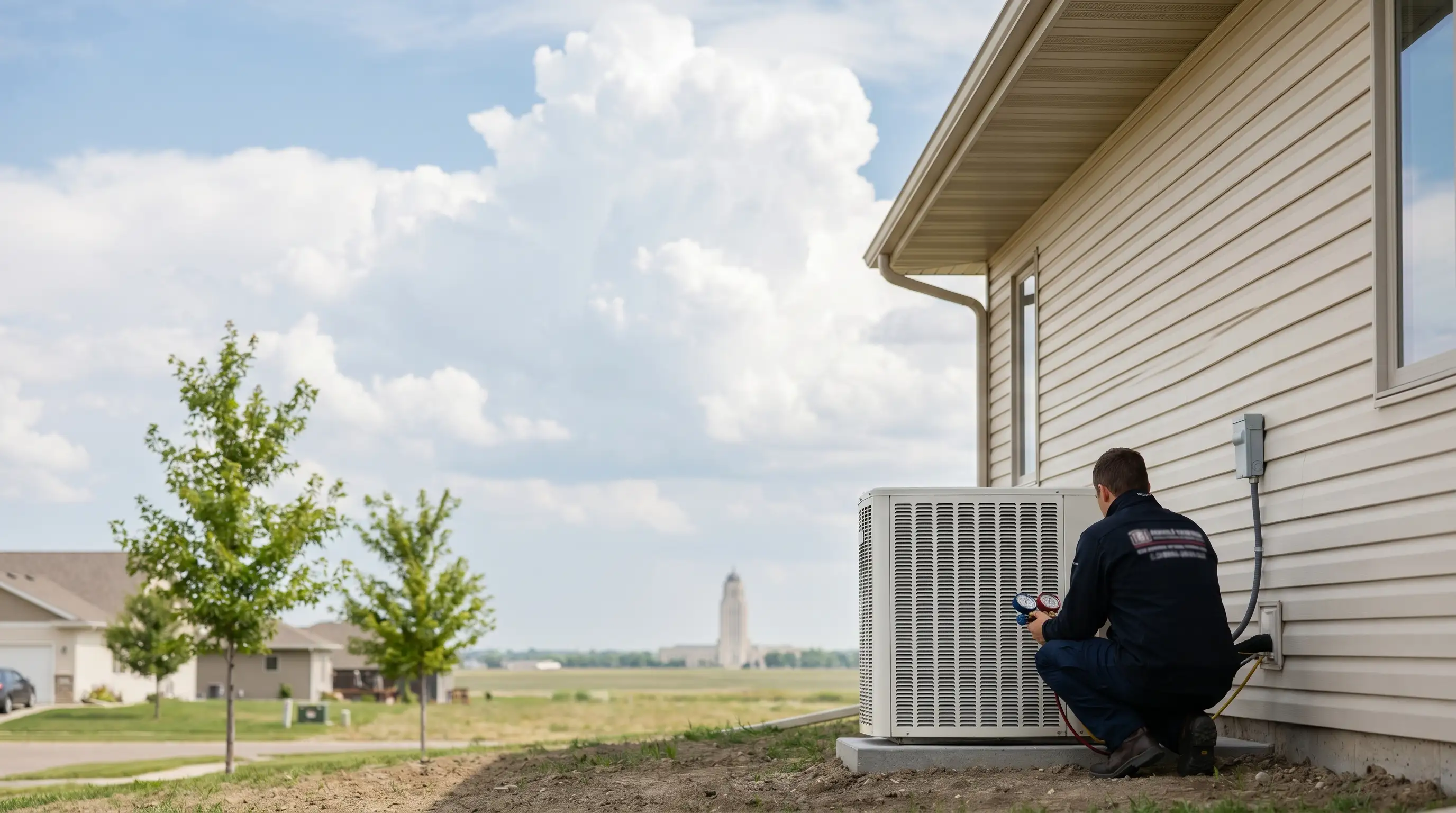
North Dakota's collision repair market is defined by its seasons — 8,000–12,000 deer-vehicle collisions annually statewide, spring hail events that rival roofing damage in scope, and winter ice conditions that consistently generate multi-car accident claims from November through March. For the 25–45 auto body shops serving Bismarck-Mandan, the operators who capture the most repair orders are the ones whose PPC campaigns are pre-built for each damage event before it occurs, not scrambled together after the storm has already passed.
Why Do Auto Body PPC Campaigns Fail in Bismarck?
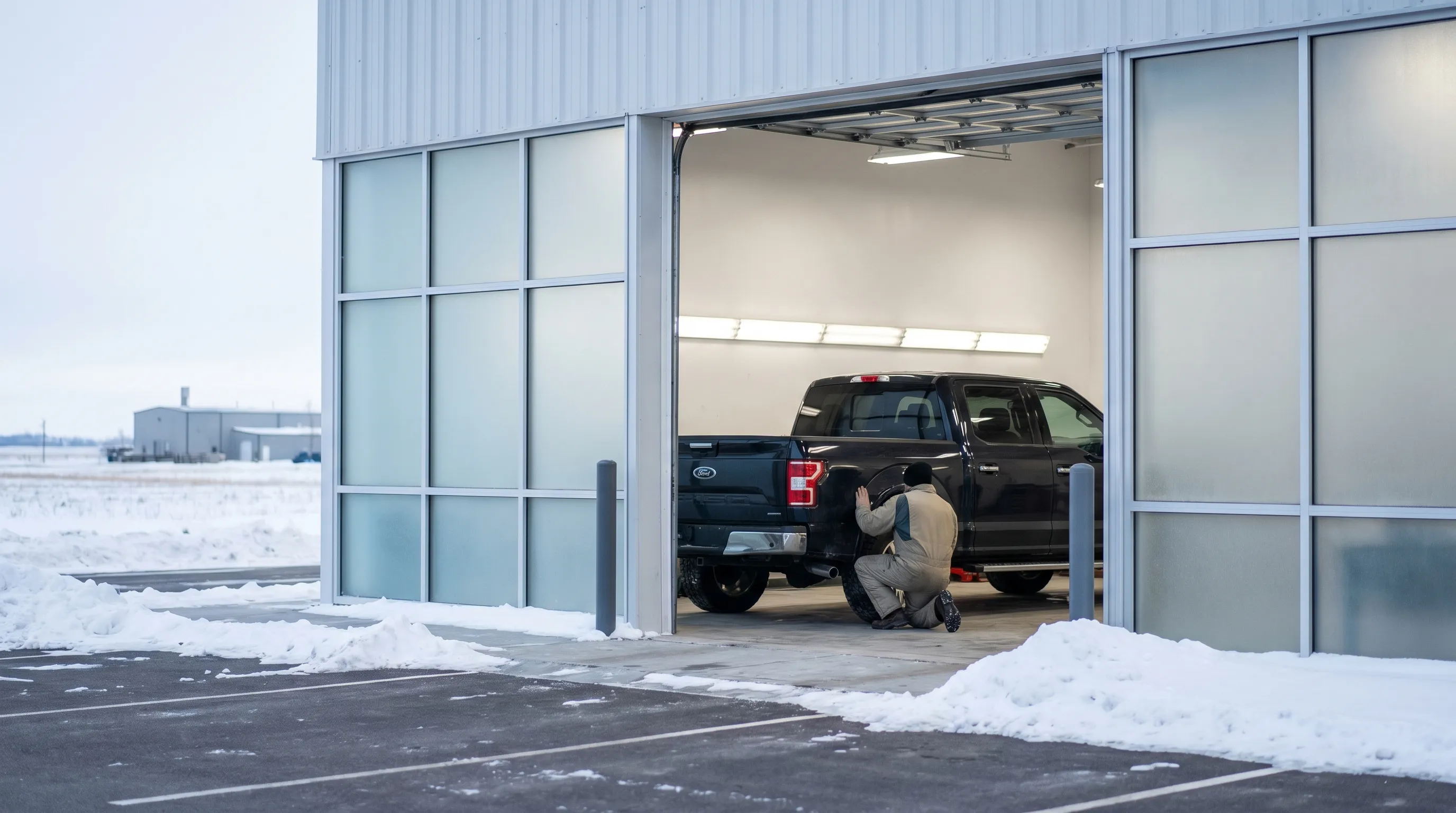
Auto body PPC in Bismarck fails when campaigns run a single generic keyword list year-round without accounting for the dramatically different demand events that shape this market's search patterns. The collision repair customer searching on a January ice-storm morning is in a completely different emotional and urgency state than a homeowner planning to finally fix a dented quarter panel in June. Treating these searches identically — same ad copy, same landing page, same bidding approach — produces mediocre conversion rates for both. North Dakota's distinct damage calendar demands a segmented campaign structure that activates different messaging at different times, rather than a static campaign averaging performance across all conditions.
The Competitive Landscape: Chains, DRPs, and the Independent's Advantage
Bismarck's auto body market is divided between national chains with insurance direct repair program (DRP) advantages and independent operators who can compete on quality, customer choice, and PPC-driven new customer acquisition. Caliber Collision Bismarck — the dominant national chain — maintains multiple DRP partnerships with major insurers, giving them a steady pipeline of insurance-steered referrals that doesn't depend on PPC. CARSTAR Bismarck holds State Farm and Allstate DRP agreements, similarly benefiting from adjuster referrals that independent shops can't match through program participation. These chain shops spend on Google Ads to supplement their DRP volume — meaning independent operators competing on the same keywords face well-funded national advertisers with larger budgets and established brand recognition.
The strategic response for independent shops is not to outspend chains on broad keywords, but to compete on the specific terms where DRP steering doesn't apply: customers who explicitly want to choose their own shop. North Dakota insurance regulations give drivers the legal right to select any licensed repair facility — and a meaningful share of collision customers actively search for this information. Keywords like "choose my own body shop North Dakota" and "can I pick my own collision shop" capture the insurance-informed customer who is actively circumventing DRP steering — exactly the customer an independent shop wants, and the customer national chains have no specific campaign targeting for.
Seasonal Timing Failures and Budget Misallocation
The most consistent campaign failure in Bismarck auto body PPC is reactive rather than proactive seasonal management. A shop that builds a deer strike campaign in November — after the rut has already peaked — has missed the first three weeks of the highest-volume deer collision period. A shop that creates hail damage ads three days after a major storm hits is competing against every other shop in the market simultaneously launching emergency campaigns, driving CPCs up precisely when the opportunity is largest. Campaigns built before the demand event arrive with Quality Score, ad copy test data, and established bidding history — advantages that provide immediate top-3 positioning when volume spikes.
Geographic targeting is underutilized in Bismarck auto body PPC. Highway 83 — Bismarck's primary north-south artery — and the Interstate 94 corridor through the metro generate disproportionate accident frequency relative to residential areas. Mandan, across the Missouri River, has lighter direct competition from chain shops and represents a geographic expansion opportunity that most Bismarck-centric campaigns leave uncaptured. Shops willing to serve Mandan customers with targeted campaigns on Mandan zip codes typically see 10–20% lower CPCs on equivalent collision terms due to reduced competition from national chains concentrated in central Bismarck.
Negative keyword failures cost Bismarck auto body campaigns significant budget monthly. Without exclusions for "auto body jobs," "auto body school," "auto body paint supplies," "car body kit," "DIY car repair," and "auto body certification," campaigns serve a material volume of non-commercial clicks from job-seekers, students, and DIY enthusiasts. These queries consume budget and degrade Quality Score without any commercial conversion potential.
Auto Body PPC Strategies That Win in Bismarck's Market
The highest-performing Bismarck auto body campaigns run four pre-built campaign tracks with seasonal activation schedules: year-round general collision, deer/fall seasonal, hail/spring-summer seasonal, and ice/winter seasonal. Each track has distinct ad copy, landing page content, and bidding logic that matches the specific damage type and customer urgency profile. This is not complicated to execute — it requires upfront organization and pre-built campaign assets ready to activate before demand peaks, not after.
Keyword Groups and CPC Ranges
- General collision keywords ("auto body shop Bismarck ND," "collision repair Bismarck," "car body repair Bismarck North Dakota"): $4–$12 CPC. Year-round foundation. Call extensions essential — post-accident customers are stressed and want immediate human contact. Google LSA alongside search ads reinforces trust for a customer selecting a shop under pressure.
- Insurance navigation keywords ("choose my own body shop ND," "can I pick my collision shop," "car accident repair Bismarck ND"): $6–$16 CPC. High-intent, independent-shop-favorable. Landing pages should lead with "We work with ALL insurers — and you have the right to choose us." This messaging converts better for independent shops than any discount or quality claim.
- Deer strike keywords ("deer hit car repair Bismarck ND," "deer collision repair North Dakota," "deer damage car fix Bismarck"): $4–$10 CPC. Activate by October 1. Run through December 31. Peak volume: November rut (first two weeks of November). No national chain specifically targets this search category — independent shops with a dedicated deer strike campaign capture essentially uncontested demand during peak fall collision season.
- Hail damage keywords ("hail damage car repair Bismarck," "paintless dent repair Bismarck," "PDR Bismarck ND," "hail dent removal Bismarck"): $5–$14 CPC. Activate May 1; run through August 31. Storm-response activation: increase daily budget caps by 100–150% immediately following a confirmed hail event. First-mover advantage is decisive — shops that capture the first 48–72 hours of post-storm search volume get the majority of claim jobs.
- Winter ice and accident keywords ("car accident repair Bismarck winter," "auto body Bismarck ND," "fender bender repair Bismarck"): $5–$12 CPC. November–March sustained campaign. Ice conditions create predictable demand spikes around the first major freeze event and during sustained cold snaps when road surfaces are consistently slick.
Budget allocation across campaign tracks should reflect North Dakota's damage calendar, with flex built in for major weather events:
- Year-round general collision (40%): Foundation campaign running 12 months. Standard collision and accident keywords, call extensions always active, Google LSA alongside search. This track maintains Quality Score continuity during low-demand periods and captures non-seasonal accident volume.
- Deer / fall seasonal (25%, October–December): Activate October 1. Ramp to peak budget during first two weeks of November rut. Deer strike ad copy, comprehensive insurance claim messaging. Shut down December 31 or when campaign CPL exceeds threshold.
- Hail / spring-summer seasonal (20%, May–August): Activate May 1 at moderate spend. Storm-response protocol: increase daily budget cap 100–150% within 6 hours of a confirmed Bismarck-area hail event. First-mover advantage captures 40–60% of the storm's total repair lead volume.
- Brand awareness / new customer acquisition (15%, year-round): Display remarketing to previous site visitors, competitor name keywords (with careful legal review), and Google Business Profile optimization. Builds pipeline for word-of-mouth referrals from satisfied repair customers.
Lifetime warranty ad copy is one of the highest-ROI creative variables in auto body PPC. Shops that lead with "Lifetime warranty on collision repairs" consistently outperform generic "Expert Collision Repair — Call Today" messaging. The warranty message directly addresses post-repair anxiety — the customer's primary concern after their car is returned — and differentiates independent shops from chain facilities where warranty claims require navigating corporate processes.
Google Partner Agency
We're a certified Google Partner Agency, which means we don’t guess — we optimize withGoogle’s full toolkit and insider support.
Your campaigns get pro-level execution, backed by real expertise (not theory).

What Market Trends Should Bismarck Auto Body Businesses Know?
Bismarck's auto body market is shaped by three North Dakota-specific demand drivers that most shop PPC campaigns don't specifically address: the deer-vehicle collision cycle that makes November the single busiest collision month of the year, the hail season that delivers paintless dent repair volume in waves, and the insurance choice education opportunity that creates an entirely uncontested customer category for independent operators willing to specifically target it.
North Dakota's Deer Collision Economy
North Dakota records 8,000–12,000 deer-vehicle collisions annually statewide — one of the highest rates per licensed driver in the upper Midwest. Bismarck sits at the intersection of major highways (US-83, I-94, ND-6) and established deer migration corridors in the Missouri River breaks, making the metro area one of the state's highest-frequency collision zones. The peak collision window is the November whitetail rut — a concentrated 2–3 week period when deer movement is at maximum and animal-vehicle contact rates roughly double normal fall levels.
The collision repair economics of deer strikes are favorable for shops. Comprehensive insurance coverage applies to deer strikes in North Dakota — unlike at-fault accidents, deer strikes don't affect a driver's collision rate, making customers more willing to file claims and less price-sensitive about shop selection. Average deer strike repair values run $1,500–$4,500 depending on vehicle type and impact severity. North Dakota's high rate of truck and SUV ownership means many deer strikes involve vehicles with high-value body panels and bumper systems. A dedicated deer strike campaign running October through December with specific messaging ("Deer Strike? We handle ND comprehensive claims — free estimate") captures this category with essentially no direct PPC competition from national chain shops that run generic collision campaigns year-round.
Hail Season Storm-Response Dynamics
Great Plains hail events are severe and geographically concentrated — a hail storm that tracks through the Bismarck-Mandan corridor can damage thousands of vehicles in a single afternoon. The first 72 hours after a major hail event represent 40–60% of the total lead generation opportunity for that storm's repair volume. Vehicle owners search immediately after seeing damage or receiving insurance notifications, and shops that appear in top-3 ad positions in the first 24 hours after the storm capture the most appointment bookings before the market saturates.
Paintless dent repair (PDR) capability is the operational differentiator in hail season — shops without trained PDR technicians cannot serve the largest segment of hail-damaged vehicles at competitive price points. Shops with PDR capability should specifically call it out in hail campaign ads ("Paintless Dent Repair — hail damage fixed without repainting") because PDR-capable shops deliver faster turnaround and zero paint warranty concerns versus traditional panel replacement. This messaging commands premium positioning in hail season search results and converts at above-average rates with insurance claimants who've been told PDR is the recommended repair method by adjusters.
Spring thaw season (March–May) generates secondary auto body demand from the freeze-thaw road degradation cycle. Bismarck's spring potholes are severe — the freeze-thaw cycle that starts in late February causes significant pavement failure by March and April. Wheel, tire, and undercarriage damage from pothole impacts generates a distinct repair category that most auto body campaigns don't specifically target. "Pothole damage car repair Bismarck" and "rim repair Bismarck ND" are low-competition keywords with clear post-event intent that shops with wheel alignment and rim repair capability can capture efficiently.
Local Auto Body PPC Expertise for Bismarck's Market
Managing auto body PPC in North Dakota's climate means running fundamentally different campaigns in October and May than you run in July. The pre-built seasonal campaign strategy — with deer strike, hail, and ice damage tracks built and tested before each season arrives — is not an advanced marketing tactic. It's the baseline operational requirement for capturing the repair volume that North Dakota's weather calendar reliably delivers. Shops running generic year-round collision campaigns during the November deer rut are watching available leads go to shops that had deer-specific campaigns ready on October 1.
MB Adv Agency manages Google Ads campaigns for auto body and collision repair shops across North Dakota. Our campaigns include pre-built seasonal tracks for deer season, hail season, and winter ice damage — each with dedicated ad copy, landing page messaging, and storm-response budget protocols. Insurance independence messaging ("You choose your shop — not your insurer") is a standard campaign component for independent shops competing against DRP-networked chains. Our transparent pricing starts at $497/month for shops building their first Google Ads pipeline, scaling to our lead generation management tier for shops targeting significant market share expansion.
The shops we work with consistently find that the deer season campaign investment — a 2-month intensive push in October and November — delivers their highest-ROI return on an annual basis, because comprehensive insurance coverage makes deer strike customers less price-sensitive than at-fault accident claimants. Explore our Bismarck PPC services or view our full service portfolio to understand how we structure seasonal auto body campaigns for North Dakota's damage calendar.
Frequently Asked Questions
How Much Does Auto Body PPC Advertising Cost in Bismarck, ND?
Auto body PPC in Bismarck, ND costs $800–$5,500 per month depending on market ambition and seasonal scope. Entry-level shops running a year-round general collision campaign with one or two seasonal tracks typically start at $800–$1,500 per month — sufficient for 10–20 leads monthly in Bismarck's compact market at $30–$75 per lead. Competitive shops running multiple seasonal tracks (general collision, deer strike, hail, and ice damage) with dedicated landing pages and storm-response budget protocols run $1,500–$3,000 per month. Market-dominant campaigns targeting front-page positioning across all keyword categories with Google LSA alongside search run $3,000–$5,500 per month. Within those budgets, expect $4–$16 per click on search keywords — general collision terms run $4–$12, insurance navigation terms $6–$16, seasonal weather terms $4–$14. Google Local Services Ads supplement at $15–$40 per verified lead and should run alongside search for shops pursuing top-of-market lead volume.
CPL benchmarks for Bismarck collision repair: general collision and accident leads run $30–$75 per lead; deer strike and seasonal weather leads run $35–$80; hail damage leads run $30–$65. These are calibrated for Bismarck's competitive density and the meaningful whitespace independent shops have on seasonal and insurance-navigation terms. A general collision lead at $55 that converts to a $2,500 average insurance repair job represents a 45× return on ad spend for that individual lead — before accounting for repeat business and the referral network a satisfied post-accident customer generates among coworkers and family.
Seasonal budget flexibility is essential: deer season (October–December) and post-storm hail season warrant budget increases of 50–100% above monthly baseline to capture peak demand windows. Shops that cap daily budgets during their highest-volume periods are leaving repair orders on the table for competitors with uncapped seasonal campaigns. Increasing from a $1,200/month baseline to $2,000–$2,400 during November alone typically generates enough additional repair volume to pay for the year's entire baseline campaign spend.
How Quickly Do Auto Body Google Ads Generate Repair Estimates in Bismarck?
Auto body Google Ads in Bismarck generate first repair estimate requests within 24–72 hours of launch for general collision and accident keywords — post-accident customers are actively searching and will contact the first shop with a credible phone number, strong reviews, and a visible call extension. For deer strike and hail campaigns launched before the season peak, leads typically arrive within 48 hours of the first major weather or wildlife event — the demand is not latent, it's event-triggered and arrives in a defined window. For general brand awareness and PDR-specialty keywords, allow 2–3 weeks to exit the learning phase and reach stable CPL as Google's algorithm identifies which searcher profiles convert to estimate bookings. Overall, most Bismarck auto body shops see their first estimate requests within the first week of a properly structured campaign, with CPL stabilizing around the 30-day mark.
Seasonal timing is the single most important variable in auto body PPC timeline. A deer strike campaign launched October 1 — a full month before the November rut peak — enters the highest-demand period with Quality Score accumulated, ad copy tested, and bidding strategy calibrated. The same campaign launched November 10 is still in Google's learning phase during the most competitive 2 weeks of the year. Pre-built campaign assets that activate on a scheduled date eliminate this timing risk entirely. Hail campaigns follow the same principle: activate May 1 at a modest budget, increase immediately when a storm warning is issued, and capture the first-mover advantage in the 48 hours after each storm event.
Realistic lead volume projections at $1,200/month year-round: 12–20 estimate requests per month across all seasons, with seasonal peaks significantly above this baseline. Deer season (November–December) at an increased $2,000/month budget generates 25–40 estimate requests from the deer strike category alone. Post-hail-storm surges at $2,000+/month for 2 weeks generate 20–35 hail estimate requests per storm event — with the first 48-hour window delivering 40–60% of that total. Total annual lead flow for a shop running a properly structured multi-track campaign at $12,000–$18,000 total annual spend: 150–280 estimate requests, with repair job conversion rates of 55–70% for shops with strong reviews and responsive estimate processes.