HVAC PPC Oakland, CA
A decade ago, air conditioning was a luxury in Oakland — the city's marine layer kept temperatures mild enough that many homes were built without it. That changed with the September 2022 heat wave that pushed Oakland to 107°F. Today, AC installation is one of the fastest-growing home services segments in the East Bay, and HVAC companies without a PPC presence are watching new-construction heat pump and ductless mini-split contracts go to competitors who positioned themselves online two years ago. <!-- stats-article-link --> <p><em>See how this city's HVAC PPC costs compare nationally in our <a href="/resources/hvac-ppc-statistics">HVAC PPC Statistics</a> report, featuring data from 40+ US cities.</em></p>
The Competitive Wall Oakland HVAC Companies Face in PPC
Oakland's HVAC PPC market is dominated by a single competitor with structural advantages: Harry Clark Plumbing & Heating at 3026 Broadway is the established market leader with decades of brand recognition, a dual HVAC/plumbing offering, Mitsubishi ductless system certification, Energy Star partner status, and U.S. Green Building Council membership. Harry Clark runs active PPC, has high Google review volume, and benefits from years of Quality Score accumulation. For any Oakland HVAC company entering PPC, Harry Clark is the benchmark to beat — and beating them on broad "HVAC Oakland" terms means overpaying for impression share on keywords where brand recognition favors the incumbent.
Beyond Harry Clark, Oakland HVAC campaigns face Albert Nahman Services (Berkeley, serves Oakland), Om Heating & Air Conditioning (Berkeley-based), Comfy Heating & Air Conditioning Inc. (San Leandro), and Spot Free HVAC Air Services (Hayward) — all competing for the same Oakland zip codes. LocaliQ 2025 data places HVAC CPCs nationally at $8.94 for AC repair and $7.92 for heating/furnace repair. Oakland's Bay Area premium of 20–30% pushes these to $12–$28/click for HVAC-branded terms, and $15–$35/click for the highest-demand AC installation queries.
The New vs. Established Campaign Problem
New HVAC Google Ads accounts face a Quality Score gap that inflates CPC during the first 90 days. Google's algorithm has no historical data on your account's CTR, landing page relevance, or conversion rate — so it assigns default Quality Scores that are often below incumbent competitors. This means new accounts can pay 40–60% more per click than established accounts for the same keyword position in the first 90 days, before optimization and conversion data accumulate to improve scores.
The practical counter-strategy: new Oakland HVAC campaigns should start on lower-competition, higher-intent keywords while accumulating conversion history. "Mini-split installation Oakland" and "heat pump installation Oakland" have fewer competitors than "HVAC Oakland CA" because they represent newer service categories that many established HVAC advertisers haven't built dedicated campaigns around yet. Oakland HVAC companies that build Quality Score on these emerging keywords before pivoting to broader terms enter the competitive auction with an advantage.
Average HVAC job values in Oakland create strong PPC economics even at premium CPCs. Service calls and furnace repairs run $300–$1,200. AC installation (central) runs $4,000–$8,000. Ductless mini-split installation: $3,000–$8,000 per unit. Full HVAC system replacement: $8,000–$15,000+. At $150 CPL and a 15% close rate, cost per booked job is $1,000 — strongly ROI-positive against any installation job value. Emergency repair calls convert at near-100% intent-to-book rates, making after-hours call tracking a non-negotiable campaign component.
What Oakland HVAC campaigns must fix before they scale:
- Single blended campaign — mixing emergency repair, installation, and maintenance in one campaign destroys Quality Score and inflates every CPC
- No mobile-first emergency landing page — emergency searches are 70–80% mobile; a desktop-first page loses half the available conversions
- Missing rebate messaging — PG&E/BayREN rebates reduce apparent installation cost significantly; ads that don't mention them underperform on heat pump and mini-split terms
- Flat seasonal budgets — Oakland HVAC demand doubles during heat events; static budgets miss the peak conversion window that drives full-year ROI
Campaign Structure: Segmenting Oakland's Distinct HVAC Demand Signals
Oakland's HVAC PPC market requires at least three distinct campaign types to capture the range of service demand efficiently:
- AC Installation Campaign (highest priority): "AC installation Oakland" ($15–$35/click), "mini-split installation Oakland" ($14–$32/click), "ductless AC Oakland" ($13–$30/click), "heat pump installation Oakland CA" ($12–$30/click), "central air conditioning Oakland" ($14–$32/click) — dedicated landing page emphasizing PG&E/BayREN rebate availability, local Mitsubishi/Carrier/Trane certifications, and free in-home assessment CTA
- Emergency Repair Campaign (highest conversion rate): "AC repair Oakland" ($12–$26/click), "HVAC repair Oakland" ($12–$28/click), "furnace repair Oakland" ($10–$24/click), "heater not working Oakland" ($10–$22/click), "emergency HVAC Oakland" ($15–$32/click) — 24/7 call tracking mandatory; mobile-first landing page with click-to-call button above the fold, same-day service promise, and customer reviews from Oakland homeowners
- Maintenance & Replacement Campaign: "HVAC tune-up Oakland" ($8–$18/click), "furnace replacement Oakland" ($10–$24/click), "air handler replacement Oakland" ($10–$22/click), "HVAC service Oakland" ($10–$20/click) — landing page should include a system age checker and replacement cost estimator to qualify high-ticket replacement leads from low-value tune-up leads
The PG&E rebate angle is an underutilized campaign differentiator. BayREN and PG&E offer $500–$1,500 rebates for qualifying heat pump installations in Alameda County. Including "PG&E rebate" and "BayREN rebate" in ad copy and landing pages differentiates from competitors who don't prominently feature this — and directly lowers the perceived cost for the homeowner. Ads mentioning available rebates typically achieve 15–25% higher CTR on installation keywords than generic equipment ads.
Seasonal bidding adjustments for Oakland HVAC: Increase AC installation and repair budget in April–September, particularly around the start of any Bay Area heat advisory. Increase heating campaign budgets October–February. The marine layer means Oakland's HVAC seasons are less extreme than inland California markets, but heat events (which now occur 3–5 times per Bay Area summer) create rapid demand spikes — automated bid rules that increase budgets 50–100% when temperatures exceed 85°F can capture emergency search volume that flat-budget campaigns miss.
Indoor air quality (IAQ) is an emerging campaign segment that connects HVAC to wildfire season — a uniquely Oakland and Bay Area concern. "Air filtration Oakland," "HEPA filter installation Oakland," and "indoor air quality Bay Area" target homeowners who experienced poor AQI during Napa/Sonoma/Sierra fire events. These keywords run $8–$20/click with lower competition than HVAC repair terms, and they open a service conversation that often leads to broader HVAC system assessments.
Google Partner Agency
We're a certified Google Partner Agency, which means we don’t guess — we optimize withGoogle’s full toolkit and insider support.
Your campaigns get pro-level execution, backed by real expertise (not theory).

The AC Installation Surge: Oakland's Structural Demand Shift
The most important HVAC insight for Oakland campaigns: the market has permanently shifted from a primarily heating-service market to a balanced heating-and-cooling market in the span of five years. Before the 2020–2022 heat event cycle, Oakland HVAC companies derived the majority of revenue from furnace repair, tune-ups, and heating system replacements. AC installation was a small segment — many Oakland homes lacked the ductwork for central air, and the mild climate justified the cost of not installing it.
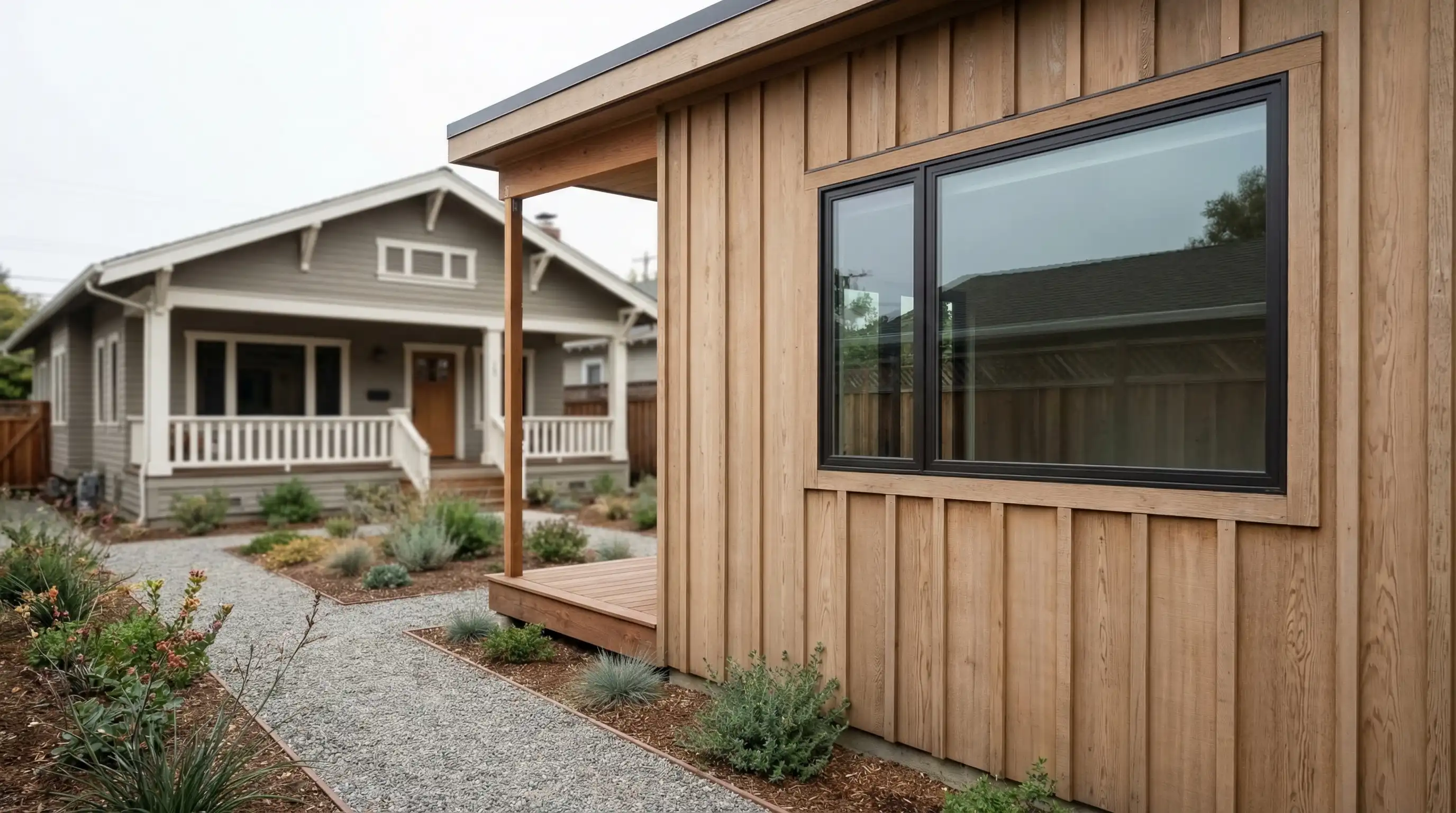
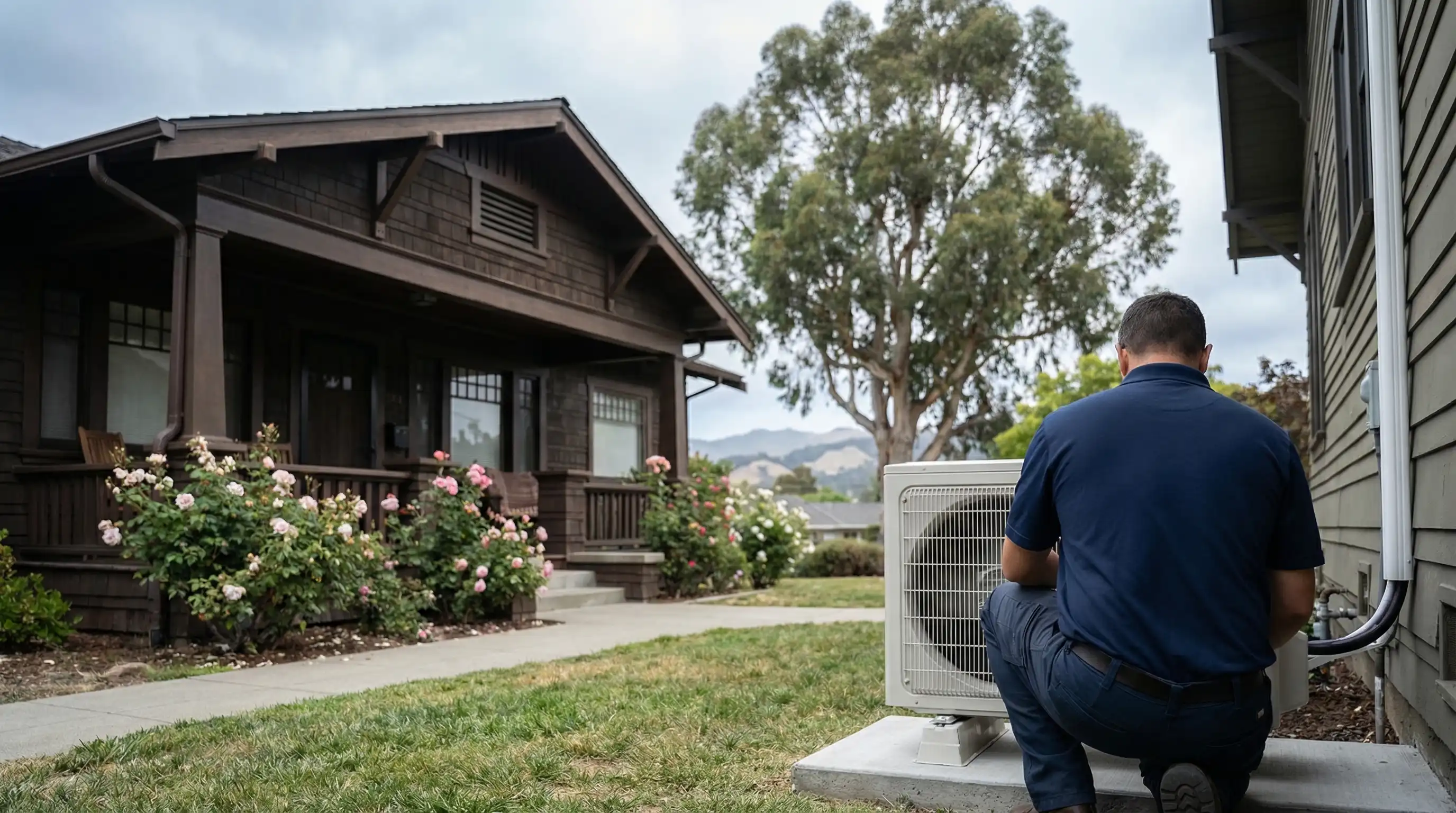
That calculus has changed. The September 2022 heat wave (107°F in Oakland) and the growing pattern of 95°F+ days in May–October have made air conditioning a near-necessity rather than a luxury. Ductless mini-split systems — which don't require existing ductwork — are the fastest-growing HVAC product category in Oakland because they're the viable retrofit solution for Craftsman bungalows and Victorian flats that were built without duct systems. Mini-split search volume in Oakland has grown approximately 40% year-over-year since 2021, while generic "HVAC Oakland" searches have grown only 10–15%.
Oakland's housing stock creates specific HVAC PPC targeting opportunities. Pre-1960 homes (the majority of Oakland's residential inventory) present a predictable need profile: aging furnaces at or beyond 20-year service life, no existing ductwork for central air, and older electrical panels that may require upgrading for heat pump installation. These homes are concentrated in specific Oakland zip codes (94601, 94602, 94605 for East Oakland Craftsman/Victorian stock; 94609, 94610 for North/Central Oakland) — enabling hyper-local geo-targeting that raises bid adjustments in these zip codes and allocates budget efficiently.
California's electrification push adds another demand driver that's Oakland-specific. California has set a goal of eliminating natural gas heating systems in new construction and progressively in existing buildings. Oakland has one of the state's most aggressive local climate action plans — the city has formally committed to building electrification timelines that will mandate heat pump replacements as furnaces reach end-of-life. This creates a durable, long-term demand pipeline for heat pump installation that is not dependent on heat wave events. HVAC companies that position PPC around "heat pump Oakland" and "gas furnace replacement Oakland" today are building campaign infrastructure for a demand wave that will intensify through 2030.
Oakland's HVAC market demands more than generic home services PPC. It requires understanding that AC installation and heat pump conversion are the growth segments — not the legacy tune-up and repair business — and building campaigns around those specific service lines before the market becomes fully saturated. MB Adv Agency structures Oakland HVAC campaigns around three pillars: service-line segmentation that puts each HVAC service in its own campaign, rebate-forward ad copy that reduces apparent cost and improves conversion on high-ticket installs, and seasonal automation that increases budget during heat events without manual intervention.
We track Oakland-specific HVAC search trends on a weekly basis. When AQI spikes during fire season, we push air filtration campaigns. When temperatures exceed 85°F in Oakland, we push AC emergency repair and installation. The Bay Area's climate volatility makes static budget campaigns inefficient — reactive automation is a competitive advantage in a market where demand can double overnight.
Oakland HVAC companies working with MB Adv Agency see CPL improvements as Quality Scores improve over the first 60–90 days and negative keyword lists expand to block non-commercial searches. Most HVAC accounts we take over have been paying 30–50% premium CPC due to poor campaign structure and missing negatives. See our PPC management plans or request a free audit to benchmark your current campaigns.
Frequently Asked Questions
When is the best time to run HVAC PPC campaigns in Oakland?
Oakland HVAC campaigns should run year-round, with budget peaks in two distinct seasons. The primary peak is April–September for AC installation, repair, and air quality services. Budget should increase 40–60% from baseline during this period, with automated bid rules that spike further during heat advisories. The secondary peak is October–January for heating system repairs, furnace replacements, and heat pump conversions — Oakland's mild winters are less extreme than inland California, but below-40°F nights in December–February still generate furnace failure calls.
February and March represent Oakland HVAC's strategic opportunity window. These months are low in emergency repair volume (weather is mild, no heat waves), but homeowners who experienced summer discomfort the previous year are researching solutions before the next heat season begins. Proactive AC installation campaigns run in February–March see 25–35% lower CPCs than summer campaigns because emergency-driven competitor spend is low — while capturing the highest-intent segment of homeowners who have already decided to install AC and are researching providers before summer quotes book up.
Wildfire season (typically July–October) adds a third campaign layer: indoor air quality, HEPA filtration, and air purifier installation searches spike whenever smoke plumes from Northern California or Sierra fires reach the Bay Area. AQI monitoring tools can trigger automated bid increases for air quality keywords during active smoke events — this is increasingly common in Oakland HVAC campaigns and captures a segment with urgent, same-week purchase intent that standard seasonal calendars miss.
How does Oakland HVAC PPC compare to other Bay Area markets in cost and competitiveness?
Oakland is slightly less competitive than San Francisco for HVAC PPC but more competitive than inland East Bay markets like Hayward or Livermore. CPCs in Oakland run $12–$28/click for core HVAC keywords — about 10–15% below San Francisco-specific terms but 20–30% above national averages. The Bay Area premium exists because HVAC job values are higher (Bay Area labor and equipment costs are 25–40% above national averages), customer LTV is higher, and advertiser competition is intense.
The Oakland advantage vs. San Francisco: Oakland-specific keyword variants are less contested than SF terms, meaning geo-targeted Oakland campaigns achieve better impression share at lower CPC than Bay Area-wide campaigns. A San Francisco-based HVAC company bidding on "HVAC Bay Area" competes with a far larger advertiser pool than an Oakland company bidding on "HVAC Oakland CA." The specificity premium — better CPCs in exchange for narrower geography — is a real advantage for Oakland-focused HVAC operators.
Oakland also benefits from a structural market characteristic that makes PPC ROI particularly strong: the housing stock is older than San Francisco's average age, meaning replacement demand (furnaces, HVAC systems, water heaters) is structurally higher. Craftsman-era homes with original-era heating systems are distributed across Oakland's residential neighborhoods — and their owners are high-income enough to spend on quality replacements. Average Oakland HVAC job value runs 15–25% above national median values, which improves the CPL-to-revenue ratio across the entire campaign.