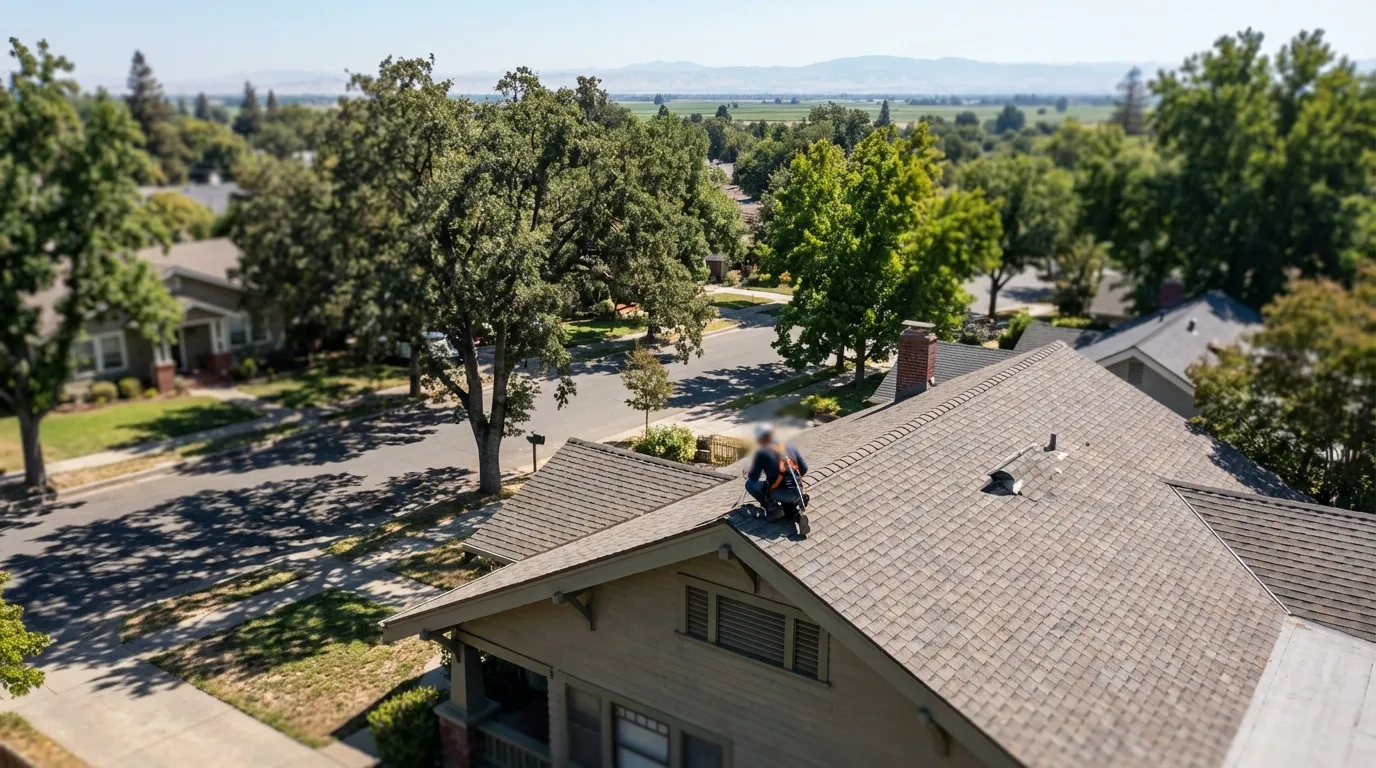
HVAC PPC Sacramento, CA
Sacramento averages more than 73 days above 90°F each year — making air conditioning not a luxury but a survival necessity, and making HVAC PPC one of the most competitive and highest-return advertising channels in the entire Central Valley. In a market where a single AC replacement job runs $8,000–$15,000 and a heat emergency triggers hundreds of same-day Google searches, the contractors who capture those emergency clicks win everything — and the ones who don't are watching their competitors' phones ring while theirs stay silent. <!-- stats-article-link --> <p><em>See how this city's Hvac PPC costs compare nationally in our <a href="/resources/hvac-ppc-statistics">Hvac PPC Statistics</a> report, featuring data from 40+ US cities.</em></p>
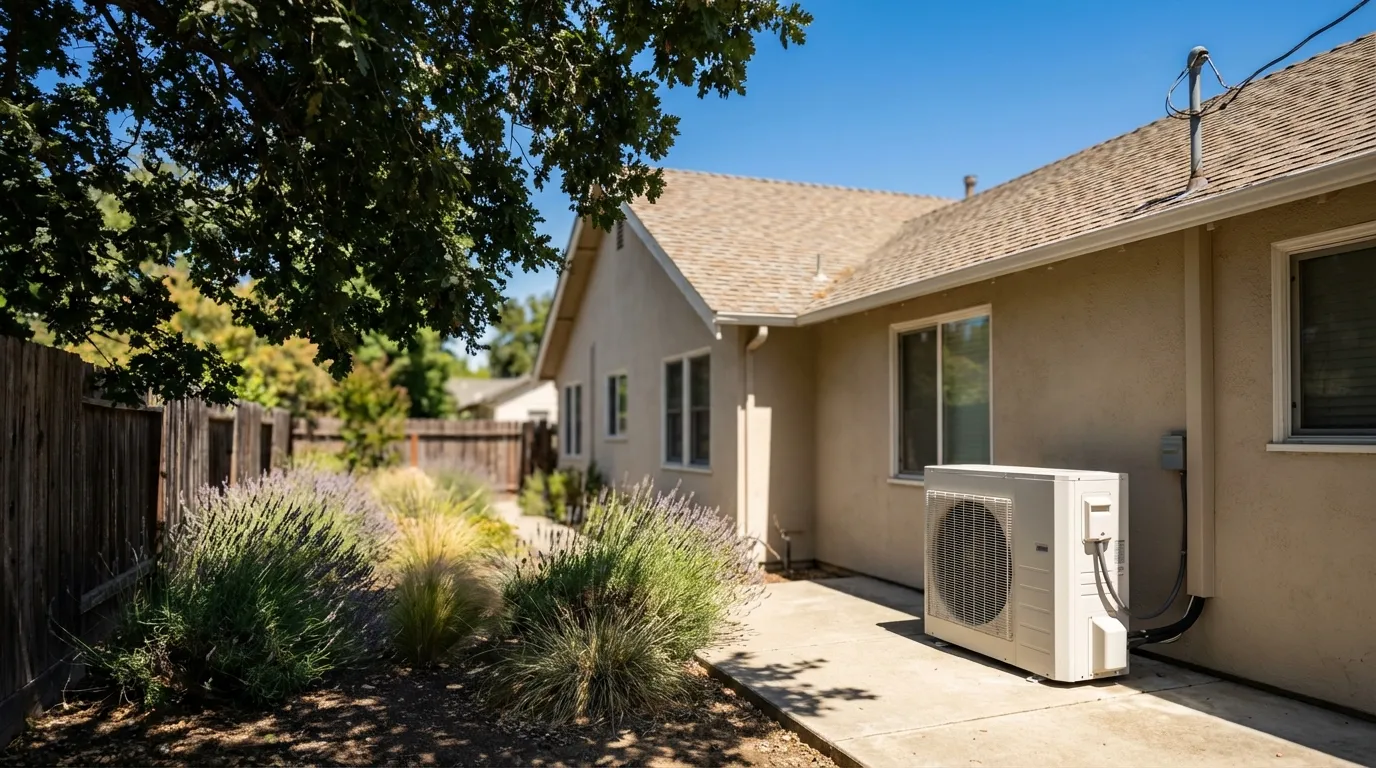
Sacramento's HVAC market is defined by a brutal weather paradox: the heat is predictable, the demand is intense, and the competition is fierce precisely because every contractor knows it. When July temperatures push past 100°F — and Sacramento averages 10–15 days per year above that threshold — emergency AC repair searches spike within hours. That moment of peak demand is also the moment when every HVAC company in the Sacramento metro is bidding for the same high-intent keywords. Without a campaign built for this window, your ads disappear into an auction you're losing before the temperature even peaks.
The Gorillas in the Room: National Brands and Regional Giants
The Sacramento HVAC market isn't just competitive among independent contractors — it's dominated by well-funded regional and national operators who run year-round digital campaigns. Service Champions, a large Northern California HVAC company, runs aggressive Sacramento-area marketing with TV, radio, and Google Ads budgets that dwarf what most SMBs spend in a month. ARS/Rescue Rooter brings a national brand and digital advertising infrastructure that most local contractors can't match directly. One Hour Air franchise locations compete on Google Guaranteed placement. These players occupy the top of search results for broad keywords like "AC repair Sacramento" and "HVAC near me" with bids that push CPCs to $30–$40 on peak summer days.
Below that national tier, an estimated 600–900 licensed HVAC contractors operate across Sacramento, Placer, El Dorado, and Yolo counties — and a meaningful fraction of the established mid-size companies run consistent PPC. Jaguar Heating & Air, Fix-it Rite, Airmech Heating & Air (Yelp 5.0 with 191 reviews), and Neel's Heating & Air in Elk Grove all maintain strong digital reputations that convert PPC traffic. When a Bay Area transplant who just bought a home in Natomas Googles "AC not working Sacramento" on a 104°F afternoon, they are choosing from a results page crowded with providers who have earned trust signals — Google Guaranteed badges, 4.8-star averages, 200+ reviews. Showing up without those signals means your ad spend delivers impressions, not calls.
Why Bay Area Migration Complicates the Customer Acquisition Equation
Sacramento received an estimated 10,000–15,000 Bay Area migrants per year at the peak of the 2020–2023 relocation wave. These new homeowners represent a genuine acquisition opportunity — they don't have an existing HVAC contractor relationship in Sacramento, they search on Google first, and they're accustomed to paying Bay Area prices, which makes Sacramento's already-premium HVAC rates feel manageable. But they also behave differently from long-term Sacramento residents: they're less likely to use referrals, more likely to read three pages of Google reviews before calling, and more likely to submit a contact form than pick up the phone cold. A campaign designed for the old Sacramento customer — phone-call-focused, broad match, no review barrier — leaves this entire segment unconverted.
Meanwhile, the legacy demand driver — aging housing stock in neighborhoods like Midtown, Land Park, Curtis Park, and Oak Park — creates a different challenge. Pre-1970 homes with original ductwork and 15–20 year old units are due for replacement, not repair. These are high-ticket conversion opportunities ($8,000–$15,000 system replacement vs. $200–$600 repair), but capturing them requires a landing page and ad messaging that speaks to the replacement conversation, not the emergency repair. Most HVAC companies run one campaign for everything — and lose the high-value replacement leads to competitors who segment properly.
- Emergency repair keywords: "AC not working Sacramento," "same-day HVAC repair Sacramento," "air conditioning broken" — CPCs $25–$40; high-volume in June–September
- Seasonal maintenance: "AC tune-up Sacramento," "HVAC maintenance Sacramento" — CPCs $10–$18; lower competition, May and October windows
- Replacement intent: "AC replacement Sacramento," "new air conditioner Sacramento CA," "HVAC system cost Sacramento" — CPCs $20–$35; highest LTV per conversion
- Local/neighborhood: "HVAC near me Elk Grove," "AC repair Land Park," "air conditioning Natomas" — CPCs $15–$25; lower competition than city-wide terms
The compounding challenge: Sacramento's homeownership rate sits at 51.7% — just above the national average — but the suburban homeowner profile (Elk Grove, Rancho Cordova, Folsom, Roseville) who owns a 2,500 sq ft home and depends entirely on central AC is concentrated in the suburbs, not the inner city. Campaigns that target only downtown Sacramento zip codes miss the neighborhoods where HVAC budgets are highest and homeownership is densest. Geographic segmentation isn't optional — it's where the money is.
Winning Sacramento HVAC PPC requires accepting one strategic reality up front: you cannot beat Service Champions or ARS/Rescue Rooter on broad keywords during peak summer. Their daily budgets exceed what most SMBs spend in a month. The correct strategy doesn't compete on their terms — it identifies the keyword clusters and targeting windows where they're not watching closely, converts at a higher rate through better landing pages, and builds a retargeting audience that captures the leads who clicked their ad first.
Campaign Structure: Segment by Intent, Not Just by Season
The highest-performing Sacramento HVAC campaigns separate emergency intent from maintenance and replacement intent at the campaign level — not just the ad group level. Emergency campaigns run maximum bids from May through September with accelerated delivery; maintenance and tune-up campaigns run April–May and September–October; replacement campaigns run year-round because system failures and aging-home decisions happen in every month. Running all three as separate campaigns with separate budgets, separate landing pages, and separate conversion tracking gives you actual data on where your money is working — instead of a single blended conversion rate that hides which intent type is profitable.
- Emergency repair keywords: "AC not working Sacramento," "air conditioning repair same day," "HVAC emergency Sacramento," "AC not cooling Sacramento" — CPCs $25–$40 peak season
- High-ticket replacement keywords: "AC replacement Sacramento CA," "new HVAC system Sacramento," "central air installation Sacramento," "HVAC replacement cost Sacramento" — CPCs $20–$35
- Seasonal maintenance keywords: "AC tune-up Sacramento," "HVAC maintenance plan Sacramento," "air conditioner service Sacramento" — CPCs $10–$18
- Sacramento-specific local products: "whole house fan installation Sacramento," "ductless mini split Sacramento," "attic fan Sacramento" — CPCs $8–$15; very low competition
- Neighborhood-anchored keywords: "HVAC Elk Grove," "AC repair Land Park Sacramento," "air conditioning Folsom CA" — CPCs $12–$22; higher CVR than city-wide terms
Google Local Services Ads (LSA/Google Guaranteed) must run alongside Search Ads — not as an afterthought. LSA appears above standard paid search results for HVAC queries; for Sacramento emergency searches, it frequently gets the first call. The cost is per verified lead ($20–$55 in Sacramento estimates), not per click, making it predictably profitable for companies that maintain a 4.5+ Google rating. If you're not running LSA, you're ceding the most visible position on the page to competitors who are.
The Bilingual Campaign No One Is Running
Sacramento's Hispanic population is 29.4% of the city — over 155,000 people. In suburban markets like Elk Grove, South Sacramento, and Rancho Cordova, Spanish-speaking households represent a substantial portion of homeowners who search in their first language. Spanish-language HVAC keywords ("reparación de aire acondicionado Sacramento," "técnico HVAC Sacramento," "aire acondicionado no enfría") run at 30–40% lower CPCs than English equivalents because almost no local Sacramento HVAC company runs Spanish-language campaigns. Lee's Air Conditioning, Heating & Building Performance (based in Woodland) advertises bilingual English/Spanish service — but they operate primarily in the West Sacramento/Yolo County corridor. The suburban Sacramento Spanish-speaking market is underserved, under-advertised, and converting at dramatically lower competition levels. One targeted Spanish-language campaign can generate leads at half the CPL of a standard English campaign.
Budget allocation framework ($4,500/month):
- Google Search Ads (emergency + replacement campaigns): $2,200
- Google Local Services Ads: $1,500
- Facebook/Instagram retargeting (homeowners who visited but didn't convert): $500
- Display remarketing (30-day audience): $300
Negative keyword hygiene is non-negotiable in HVAC. Without a thorough negative list, Sacramento HVAC campaigns bleed budget to "HVAC jobs Sacramento," "AC repair school," "how to fix AC yourself," "HVAC parts store," and DIY searchers who will never call. Build the negative list before the first dollar goes live.
Google Partner Agency
We're a certified Google Partner Agency, which means we don’t guess — we optimize withGoogle’s full toolkit and insider support.
Your campaigns get pro-level execution, backed by real expertise (not theory).

Sacramento's air conditioning market has a structural characteristic that most cities don't share: the heat is reliable. Phoenix gets the attention, but Sacramento's position as the northernmost major city in California's Central Valley means it bakes in summers that rival the desert Southwest while also experiencing the Sierra Nevada's distinctive temperature swing — hot afternoons, cool evenings, and persistent dry heat from June through September. This is not a region where AC is a comfort item. The California Energy Commission classifies the Sacramento Valley as one of California's highest-cooling-demand climate zones. In this environment, HVAC isn't a seasonal service — it's infrastructure.
The Data Behind Sacramento's Heat Economy
The numbers that define Sacramento HVAC demand: 73+ days above 90°F per year, 10–15 days above 100°F, and a July average high of 94°F with overnight lows that frequently stay above 65°F — meaning the heat accumulates day over day without overnight relief. This prolonged heat exposure degrades HVAC systems faster than in moderate climates: capacitors fail under sustained load, coolant levels drop, and compressors that might last 15 years in Portland often max out at 12–13 years in Sacramento. The replacement cycle is shorter here. That's not a maintenance headache — it's a market driver.
The Bay Area migration pipeline created a specific new-homeowner segment that HVAC companies are underserving. An estimated 10,000–15,000 people per year relocated from Bay Area metros to the Sacramento region at the peak of the 2020–2023 migration wave. Many bought their first Sacramento home — often in Elk Grove, Folsom, or Rancho Cordova — without an established local contractor relationship. Bay Area transplants bring Bay Area price expectations (Sacramento HVAC costs ~20–30% less than Bay Area equivalents) and Bay Area digital behavior (Google-first, review-heavy, form-fill comfortable). The first Sacramento HVAC company that captures this segment with a targeted new-homeowner campaign gets the installation AND the recurring maintenance agreement — a customer LTV of $1,500–$4,000 over five years.
One Sacramento-specific niche that generates leads at near-zero competition: whole-house fans. Sacramento's climate — hot afternoons, genuinely cool evenings (frequently dropping to 58–65°F by 10pm) — makes whole-house fans a legitimate alternative to AC for spring and fall, and a powerful supplement during summer nights. The search volume is real ("whole house fan Sacramento," "attic fan installation Sacramento CA"), the CPC is $8–$12 (vs. $25–$40 for emergency AC repair), and the conversion intent is high — homeowners researching whole-house fans are already past the awareness stage. This is a cheap keyword cluster that Sacramento HVAC companies largely ignore, creating a low-competition path to new customer acquisition that cross-sells into full AC maintenance relationships.
The Valley Fever angle is uniquely Central Valley: coccidioidomycosis (Valley Fever) is a fungal infection endemic to the Sacramento Valley's soil. Awareness of airborne particulates has driven interest in HVAC air filtration upgrades — HEPA filters, UV air purifiers, and improved ductwork sealing. This is an upsell that exists only in California's Central Valley and a handful of Southwest markets. It runs entirely on brand awareness (customers who already trust you ask about air quality), which means a retargeting campaign that follows up first-time service customers with air filtration messaging converts at very high rates because the audience has already trusted you enough to let you in their home.
- Estimated HVAC contractors in Sacramento metro: 600–900 licensed C-20 operators
- Homeownership rate: 51.7% (2024) — primary HVAC customer base
- Bay Area in-migration peak: ~10,000–15,000/year (2020–2023)
- Average AC replacement cost: $8,000–$15,000 (residential system)
- Spanish-speaking population: 29.4% — bilingual HVAC campaigns run at 30–40% lower CPCs
Running Google Ads in Sacramento's HVAC market isn't about being the loudest bidder — it's about understanding exactly where Service Champions and ARS/Rescue Rooter stop paying attention, and owning those spaces completely. That requires campaign managers who track Sacramento's seasonal temperature curve, not a national calendar. It requires knowing that "Land Park HVAC" and "whole house fan Elk Grove" convert at double the rate of broad Sacramento terms. It requires being ready to surge budget within hours when the NWS Sacramento issues an excessive heat warning — because that's the moment when your emergency campaign needs to be spending at its maximum, not waiting for a weekly optimization review.
At MB Adv Agency, we build Sacramento HVAC campaigns from the ground up with the local context that national agencies miss. We segment emergency, maintenance, and replacement intent into separate campaigns. We layer in bilingual Spanish targeting for the underserved South Sacramento and Elk Grove markets. We run LSA alongside Search so your Google Guaranteed badge is visible before competitors' standard ads. And we use Sacramento's predictable heat calendar to pre-build surge campaigns that activate automatically when temperatures cross the thresholds that generate calls — so you're winning the auction before the competition even checks their dashboards.
Our PPC management service is built around SMBs running $2,500–$10,000/month in ad spend — exactly the budget range where Sacramento HVAC companies can outmaneuver national chains with smarter targeting, not bigger checks. See our pricing structure and find the tier that matches your current spend level. First leads typically arrive within 1–3 days of campaign launch; most Sacramento HVAC clients are profitable by month two.
Frequently Asked Questions
What's the best time of year to run HVAC Google Ads in Sacramento?
The honest answer: year-round, but with dramatically different budget allocations by season. June through September is non-negotiable — this is when emergency repair demand peaks alongside Sacramento's brutal heat, and a single day of campaign downtime during a heat emergency can cost a contractor 10–20 calls they'll never recover. Emergency campaigns should run at maximum budget during this window, with bid adjustments that push harder on days when the forecast exceeds 95°F. This is where the largest volume of high-intent emergency leads live.
But the second insight is where most Sacramento HVAC companies leave money on the table: April–May is the highest-ROI campaign window of the year. The heat hasn't arrived yet, so competition is lower and CPCs are 30–40% cheaper than peak summer. Homeowners who know their system is aging or unreliable are actively searching for maintenance and inspections before they're in crisis mode. A Sacramento HVAC company that gets in front of those pre-summer searchers in April — with a "Get ready before the heat hits" message and a $99 tune-up offer — secures the customer before competitors even activate their summer campaigns. The CPL for a maintenance lead in April is $20–$40; the same lead in July costs $60–$120 during auction competition.
October also deserves a targeted campaign: Sacramento's fall is warm and dry, and it's the perfect window for post-summer damage assessment messaging ("Did Sacramento's heat damage your system?"), heating season preparation (mild winters but real demand), and maintenance agreement upsells to the customers you acquired over summer. Fall campaigns run at low competition with a residual warm audience from summer retargeting — an efficient, low-cost way to extend the relationship into the service agreement.
How much should a Sacramento HVAC company spend on Google Ads to get results?
The minimum viable budget for Sacramento HVAC PPC is $2,500/month, which maps to our Growth Mode tier. At that level, you can run a focused Google Search campaign targeting emergency and maintenance keywords in your primary service area (a 15–20 mile radius or specific suburb clusters). At $2,500/month with a blended $22 avg CPC and 10% CVR on emergency campaigns, you're generating an estimated 18–28 leads per month — enough to justify the spend several times over when a single AC replacement job brings $8,000–$15,000 in revenue.
The more critical question is what you're spending compared to your target conversion value. Sacramento HVAC has one of the strongest ROI profiles of any home services vertical: a $60 average CPL against a $400–$800 repair ticket (6–13x ROAS) and a $150–$350 CPL against an $8,000–$15,000 replacement (23–100x ROAS at the system level). Even a $3,500/month campaign that generates 5 replacement leads per month is returning $40,000–$75,000 in potential revenue.
That said, budget matters differently in peak season. During June–September, $2,500/month competes against contractors spending $7,000–$12,000/month. You won't win every auction — but you don't need to. Focused emergency keyword targeting, Google LSA running parallel to Search Ads, and a mobile-optimized landing page with a prominent "Call Now" button capture the leads your budget can reach. Scaling to $4,500–$5,000/month adds Facebook/Instagram retargeting (recapturing visitors who clicked but didn't call) and display remarketing — turning the near-conversions into actual calls without re-entering an expensive search auction.