HVAC PPC Syracuse, NY
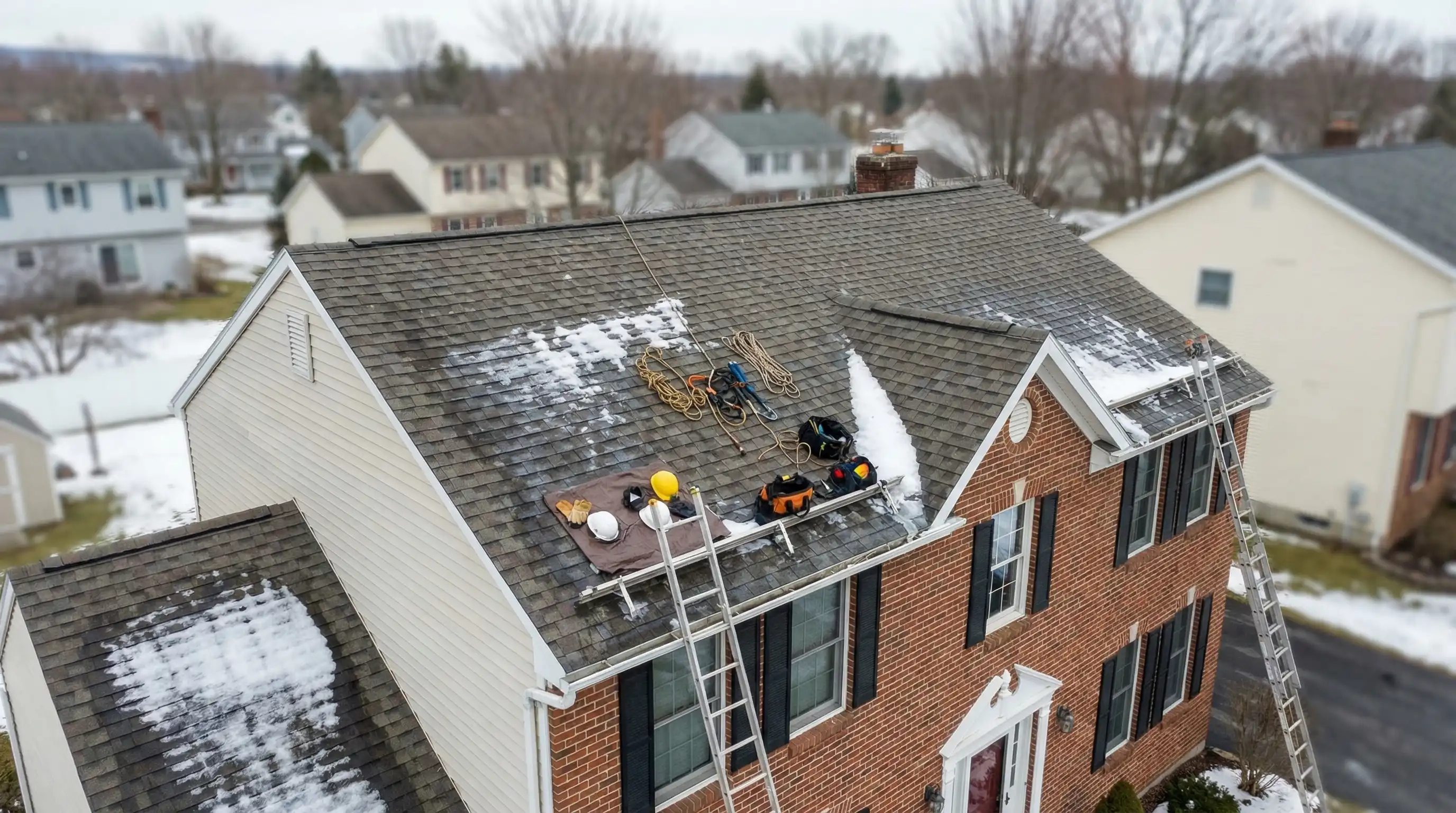
Syracuse averages 124+ inches of snow per year — making it one of the snowiest large cities in the United States — and every winter, that snowfall translates into thousands of furnace failures, frozen pipes, and emergency HVAC calls that go to whoever dominates the first page of Google. HVAC companies that invest in PPC before the temperature drops own those calls; those that don't spend the season watching competitors collect them. <!-- stats-article-link --> <p><em>See how this city's Hvac PPC costs compare nationally in our <a href="/resources/hvac-ppc-statistics">Hvac PPC Statistics</a> report, featuring data from 40+ US cities.</em></p>
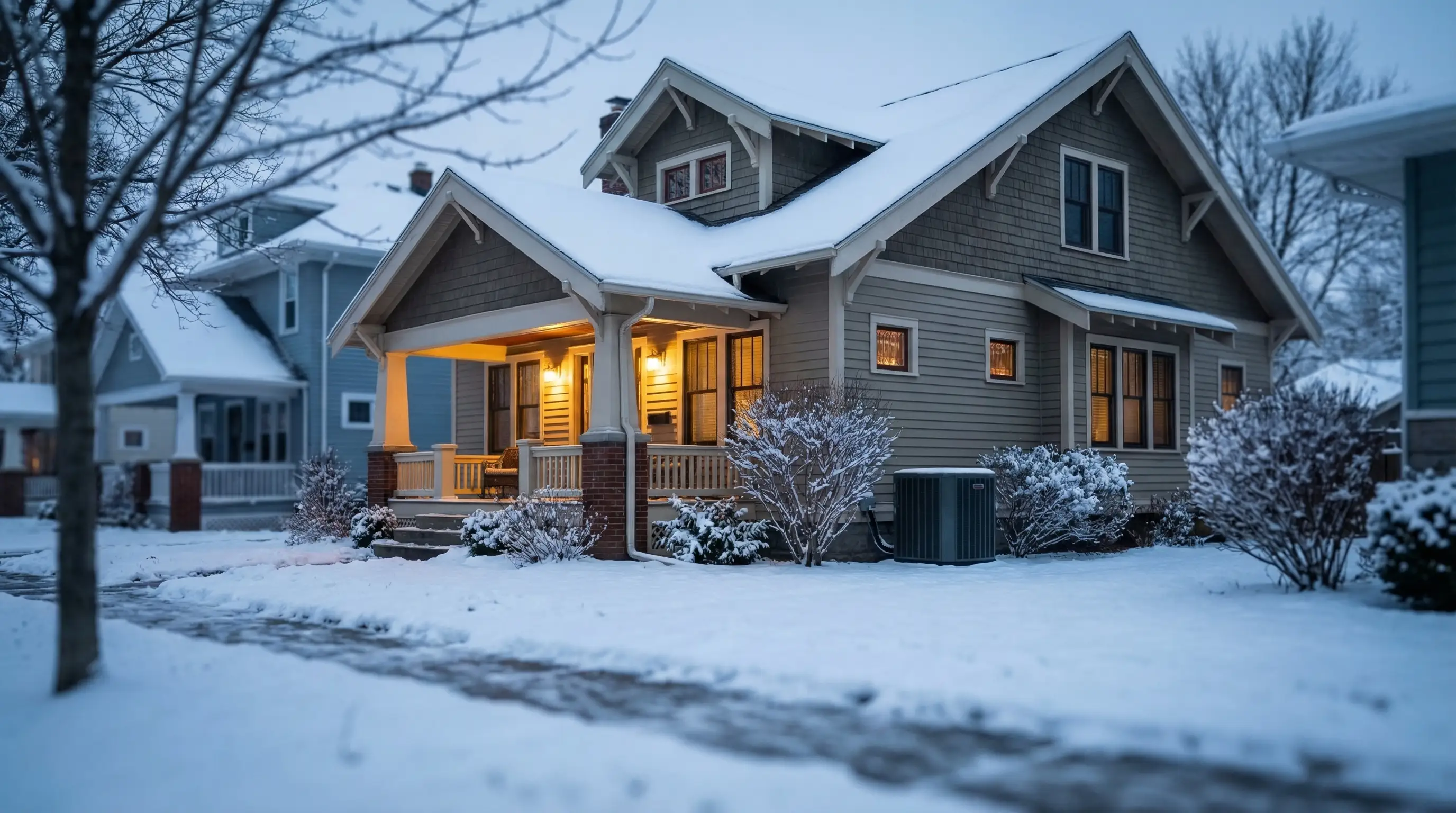
Running HVAC PPC in Syracuse isn't like running it in a temperate market. The extreme seasonal swings — winters that regularly hit -10°F and summers that push 90°F — mean demand spikes twice a year, simultaneously compressing budgets and driving up CPCs. Every HVAC company in Onondaga County knows the pattern, and every one of them bids harder in November and again in June. If your campaign structure isn't built for that rhythm, you're paying premium CPCs at exactly the wrong time.
An Aging Housing Stock That Drives Constant Demand
The majority of Syracuse's residential housing was built before 1970. That means aging furnaces, deteriorating ductwork, boilers running past their service life, and window AC units that fail during the first real heat wave of summer. Syracuse homeowners don't upgrade proactively — they replace systems when they fail. That failure-driven demand makes this market highly responsive to emergency-intent PPC, but it also means your ads are competing against 80–120 licensed HVAC contractors in Onondaga County, all targeting the same distress keywords.
Homeownership in Syracuse sits at 41.6%, which translates to roughly 61,000 owner-occupied households in the metro area — all potential service call customers. The suburban growth corridors of Clay, Cicero, Manlius, and DeWitt add another layer: newer construction requiring system installs and first-time HVAC replacement cycles. These suburban homeowners search differently (research intent, less urgency) than city-core residents in crisis, and most campaigns treat them identically. That's the first competitive gap to exploit.
Local Competition and the LSA Problem
National franchise chains — Carrier dealers, Lennox dealers, and regional brands like Advance Heating & Cooling — run heavy local ad spend. More damaging to independents: Google Local Services Ads (LSA) now appear above traditional search ads for most HVAC queries. Bruni & Campisi, a long-running Syracuse HVAC company cited in a WebFX case study for a 524% increase in ad clicks, competes aggressively in this space. If your company doesn't have a "Google Guaranteed" badge, you're appearing below competitors who do — even if your bid is higher.
The combination of elevated CPCs (emergency terms like "emergency HVAC Syracuse" run $22–$32) and the LSA real-estate problem means underbudgeted campaigns get squeezed out of the most valuable moments. A $500/month ad spend doesn't compete in this market. Contractors running $2,500–$5,000/month — with separate LSA and Search campaigns — consistently dominate the above-the-fold positions that capture emergency calls.
Winter 2024–2025 demonstrated another common failure mode: campaigns built without bid adjustments for weather events. When a cold snap hits Central New York in January and furnace calls spike 300%, flat-bid campaigns get outspent instantly by competitors running automated bid strategies. By the time a manual adjustment is made, the surge is half over and leads have gone to competitors with smarter campaign architecture.
The core PPC strategy for Syracuse HVAC is built around two distinct demand cycles — emergency repair and planned replacement — each requiring its own campaign structure, messaging, and bid logic.
Campaign Architecture: Three Parallel Tracks
Effective HVAC campaigns in this market run three simultaneous tracks:
- Emergency / Repair Track: "furnace repair Syracuse," "emergency HVAC Syracuse," "boiler repair Syracuse" — $15–$32 CPC. These keywords trigger when a system fails. Bid aggressively. Message: response time, 24/7 availability, financing. Automated bidding (Target CPA) performs best because emergency volume is unpredictable.
- Replacement / Installation Track: "furnace replacement Syracuse," "HVAC installation Syracuse NY," "new AC unit Syracuse" — $12–$22 CPC. Longer sales cycle (2–7 days). Message: system efficiency ratings, financing offers, warranty. Smart Bidding with 30-day conversion window captures late-stage buyers who search multiple times before calling.
- Seasonal Maintenance Track: "HVAC tune-up Syracuse," "AC maintenance Central NY," "furnace cleaning before winter" — $8–$16 CPC. Lower competition window in September–October and April–May. Message: preventive cost savings, priority scheduling, maintenance plan enrollment. This track builds the customer relationship before emergency demand hits.
Keyword groups by seasonal window:
- November–February (heating emergency): "furnace repair Syracuse ny," "emergency heat not working Syracuse," "boiler repair Onondaga County," "frozen pipe HVAC Syracuse" — $18–$32 CPC range. Increase bids 50–60% in this window.
- June–August (cooling emergency): "AC repair Syracuse ny," "air conditioning not working Syracuse," "emergency AC replacement Central NY" — $14–$26 CPC. Bid increases of 40–50% during heat waves.
- Year-round baseline: "HVAC company Syracuse ny," "heating and cooling Syracuse," "HVAC contractor near me" — $10–$18 CPC. Stable competition, strong for brand awareness and consistent lead flow.
LSA + Search Dual Strategy
Running Google Local Services Ads alongside traditional Search campaigns is non-negotiable in this market. LSA occupies the top of the page with a "Google Guaranteed" badge and star rating — traditional search ads appear below. A company running both captures two above-the-fold positions simultaneously. The LSA budget is separate (pay-per-lead, typically $25–$60 per HVAC lead) and runs always-on. Search campaigns layer over with longer-tail keywords, competitor terms, and service-specific ad groups that LSA doesn't support.
Geo-targeting within Onondaga County: Clay, Cicero, and North Syracuse have higher concentrations of newer construction with system replacement cycles in the 10–15 year range. Separate ad groups with neighborhood-specific copy ("Serving Clay, Cicero & North Syracuse since...") outperform generic county-wide targeting by 20–30% on click-through rates, based on home services industry benchmarks.
Ad copy in this market must lead with urgency and specificity: "Syracuse's coldest nights need a furnace that works — 2-hour emergency response" outperforms generic "Call us for HVAC service" by a significant margin. Include your response time guarantee, your service area specificity, and a financing offer in every emergency-intent ad.
Google Partner Agency
We're a certified Google Partner Agency, which means we don’t guess — we optimize withGoogle’s full toolkit and insider support.
Your campaigns get pro-level execution, backed by real expertise (not theory).

Syracuse's extreme weather isn't just a demand driver — it's a campaign timing advantage that most HVAC operators fail to monetize fully. The city's position as one of the snowiest large metros in the U.S. (124+ inch annual snowfall average per the National Weather Service) creates predictable, calendar-driven demand spikes that a well-structured campaign can anticipate rather than react to.
The Shoulder Season Opportunity
Most HVAC competitors run aggressive campaigns in peak winter and summer, then reduce budgets in the shoulder seasons (March–May and September–October). This creates an underpriced window. A furnace tune-up campaign running in October — when CPCs are 30–40% lower than January — fills a service schedule and captures maintenance contract enrollments that convert to multi-year recurring revenue. The typical HVAC maintenance contract generates $150–$400/year in recurring fees, with priority service callbacks that convert to system replacement at higher close rates than cold-call customers.
Key insight: A $10/month maintenance contract customer is worth $500+ over the lifecycle of a system — and those customers call you first when the system fails. Running shoulder-season campaigns specifically for maintenance plan signups, with a "before the season rush" urgency angle, costs 40% less per lead than emergency season keywords and produces higher lifetime value customers.
Syracuse's climate data also enables smart bid scheduling. The National Weather Service Buffalo/Syracuse office releases extended forecasts that correlate strongly with HVAC demand spikes. Cold snaps below 10°F in the 3-day forecast typically produce 40–60% increases in furnace-related searches within 48 hours. A campaign that pre-stages higher bids before these events — rather than reacting after — captures the early surge when competition is still at baseline.
Suburban Growth Corridors: The Installation Market
While the city core drives emergency repair demand, the suburban municipalities of Clay (pop. ~60,000), Cicero (~31,000), and Manlius (~33,000) represent the system installation market. These areas saw significant housing development in the 1990s–2010s, meaning the original HVAC systems in many homes are now 15–25 years old — within the typical replacement window. Median household income in these suburbs runs $65,000–$85,000 vs. $47,819 for the city core, which means homeowners are more likely to consider higher-efficiency upgrades (heat pumps, variable-speed systems) that carry $10,000–$20,000+ ticket values.
Dedicated geo-targeted campaigns for Clay/Cicero/Manlius that lead with replacement messaging and energy efficiency — "Lower your heating bill by 30% with a new high-efficiency heat pump — serving Clay & Cicero" — address the installation market that broad city-wide campaigns miss. These keywords run $12–$20 CPC with lower competition than emergency terms, and the average ticket is 3–5x higher. The ROAS potential on a $15,000 system installation vs. a $400 repair call is transformative for campaign ROI.
Syracuse HVAC PPC requires more than a template campaign. The market's dual demand cycles, the LSA real-estate challenge, and the divergent suburban vs. city-core customer profiles all require campaign architecture that a generalist agency won't know to build. A poorly structured campaign in this market doesn't just underperform — it bleeds budget in December and July, exactly when leads matter most.
MB Adv Agency builds HVAC PPC campaigns specifically around Central New York's seasonal demand patterns. We structure emergency, replacement, and maintenance tracks separately, run LSA alongside Search to dominate above-the-fold real estate, and deploy seasonal bid adjustments that front-run demand spikes rather than react to them. Our Google Ads management service handles campaign architecture, ongoing optimization, and monthly reporting — so you focus on showing up to calls, not monitoring dashboards.
For HVAC contractors operating in Onondaga County and the surrounding suburban markets, we recommend starting with a $2,500–$4,000/month ad budget split across LSA and Search. At that spend level, with a properly structured campaign, most clients see 15–30 qualified leads per month at a CPL of $65–$120. See our pricing page for management tiers. HVAC is a market where PPC returns compound: the maintenance contract customers you acquire in year one lower your CPL in years two and three as recurring callbacks don't require paid ads.
Frequently Asked Questions
What does HVAC PPC actually cost per lead in Syracuse?
For a well-managed HVAC campaign in Syracuse, you should expect a cost per lead (CPL) in the $65–$150 range depending on the service type and season. Emergency repair keywords — "furnace repair Syracuse," "no heat emergency" — convert at higher rates (6–9%) because searchers are in crisis and call immediately. That higher conversion rate offsets the higher CPC ($18–$32) and brings CPL into the $65–$100 range for emergency-intent traffic. Replacement and installation keywords have lower CVRs (3–5%) but much higher ticket values — a $120 CPL on a $12,000 system replacement is a 100:1 return before accounting for the maintenance contract that often follows.
Budget directly affects lead volume and lead quality. An underbudgeted campaign ($500–$800/month ad spend) in this market runs out of budget by mid-morning during peak demand days — meaning you pay for early, less-intent traffic and miss the high-intent evening searches when homeowners realize the heat isn't working. A properly capitalized campaign ($2,500–$5,000/month) runs all day, bids aggressively during weather events, and captures leads your competitors don't even see.
Seasonal CPL variation is significant: January emergency campaigns typically run $80–$130 CPL due to competition; October maintenance campaigns can run $45–$75 CPL with 30–40% lower CPCs. A full-year campaign strategy that activates maintenance-track keywords in the shoulder seasons consistently lowers blended annual CPL by 20–30% vs. running campaigns only in peak months. That arithmetic makes the case for year-round, structured campaign management over seasonal on/off switching.
How long does it take for HVAC PPC to generate leads in Syracuse?
If the campaign launches before a demand spike, qualified leads typically appear within 3–7 days. Google Search campaigns don't have a long ramp — if you're bidding competitively on "furnace repair Syracuse ny" and your landing page converts, calls start coming. The most common delay point is not the campaign launch, but the campaign structure: an account with the right keywords but poor ad copy, a slow landing page, or missing call extensions will generate clicks but not calls, and the problem looks like a PPC problem when it's actually a conversion problem.
For new HVAC businesses or those with no prior Google Ads history, the first 30 days serve as a data-collection period. Google's Smart Bidding algorithms need conversion data (typically 30–50 conversions) before they can optimize effectively. Running manual or enhanced CPC bidding in the first month while accumulating conversion history, then switching to Target CPA bidding once the algorithm has sufficient data, typically produces a 20–35% CPL reduction in months 2–3 vs. staying on manual bids indefinitely.
Launch timing matters enormously in Syracuse: A campaign that goes live in October — before winter demand — captures the critical early-season searches and allows the algorithm to optimize before January's peak. A campaign launched in December, when every competitor is already fully bid up, pays premium CPCs without the benefit of early-data optimization. The best HVAC operators in Central New York treat PPC as an always-on investment, not a seasonal switch, because the campaign optimization cycle requires 60–90 days to reach full efficiency regardless of the season it starts in.