Plumbing PPC Cleveland, OH
Cleveland averages 63 inches of lake-effect snow annually, and with 40-60% of its residential units built before 1960 — original galvanized pipes, cast iron drains, and aging water heaters throughout — the winter freeze-thaw cycle here doesn't just create demand for plumbers. It creates emergencies that search for answers at 2 a.m. Plumbing companies that capture that intent through well-structured Google Ads campaigns are booking $4,000–$15,000 pipe replacement jobs while their competitors are still fighting for the $350 drain calls.
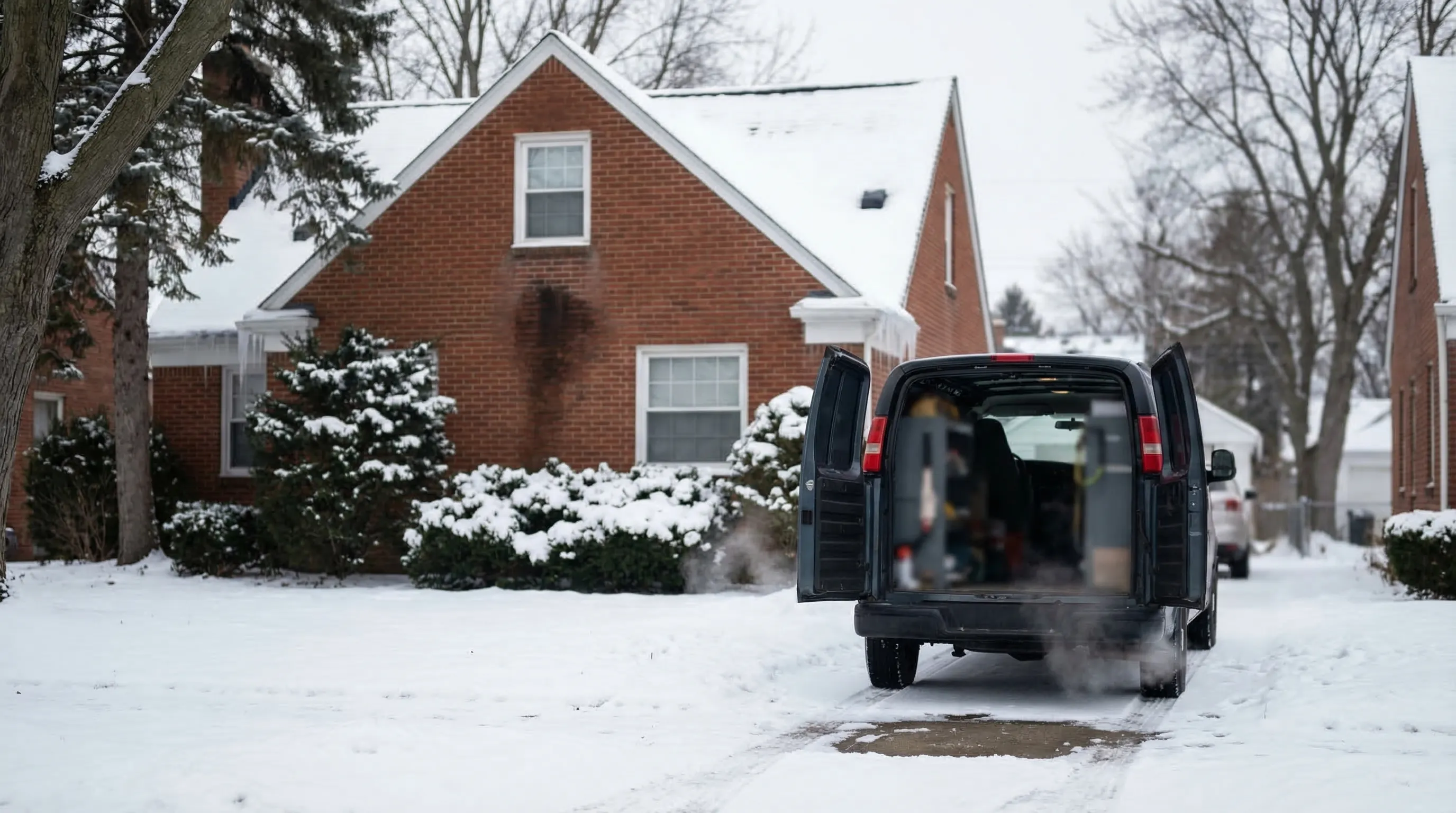
Cleveland's plumbing market is defined by one structural reality that every campaign manager must understand before touching a single ad group: the housing stock is a liability turned opportunity. When 40-60% of homes predate 1960, every harsh winter becomes a lead generation event. Original galvanized steel pipes corrode from the inside out over 50-70 years — Cleveland's oldest neighborhoods have housing stock that is, right now, operating well past that threshold. The competitive landscape that forms around this reality is both lucrative and unforgiving.
The Emergency Intent Problem
Emergency plumbing keywords in Cleveland carry CPCs of $15–$22 for terms like "burst pipe Cleveland," "frozen pipe Cleveland OH," and "emergency plumber Cleveland." The stakes behind those clicks are high: a homeowner with a burst pipe has no consideration period. They need a plumber in the next two hours, not the next two days. That urgency makes emergency plumbing one of the highest-converting search categories in the home services vertical — conversion rates run 7–13% for well-targeted emergency campaigns — but it also makes campaign structure critical.
The dominant competitors in Cleveland's plumbing search landscape are Mr. Rooter Plumbing of Greater Cleveland and Roto-Rooter, both national franchises with substantial Google Ads budgets, strong review profiles, and existing Google Local Services Ads (LSA) coverage. These franchises bid on branded terms, emergency terms, and general service terms simultaneously. An independent plumbing contractor running a single broad campaign with generic copy ("Cleveland plumber, call us!") will consistently lose Quality Score competitions to franchise accounts with years of campaign history, reviews, and click-through rate advantages.
The second layer of the competitive problem is Google Local Services Ads (LSA). In Cleveland's plumbing search results, LSA listings dominate the top of the SERP — above standard search ads, above organic results, above everything. Plumbing companies that haven't activated LSA are starting the search result race from third place. Any complete plumbing PPC strategy for Cleveland must integrate LSA as the primary trust-and-awareness layer and use standard search campaigns for intent-specific coverage below.
The Seasonal Budget Trap
Cleveland's freeze-thaw cycle creates a demand curve that flat-budget campaigns are structurally unable to capture. Burst pipe and frozen pipe emergencies spike sharply from December through February, when temperatures swing from 35°F to -10°F within days. April and May produce a secondary demand wave — post-freeze damage assessment, pipe repairs deferred through the worst of winter, and spring water heater failures. Operators running static $2,500/month budgets through both peak and shoulder seasons consistently underspend in January (when competition is highest but demand is explosive) and overspend in September (when $80 CPLs are available for seasonal maintenance leads).
The correct structure is a dynamic budget model: allocate 35-40% of annual plumbing PPC spend across December–February, capture the post-freeze April–May wave at 20-25%, and use the mild-summer period for reputation-building tune-up and water heater angle campaigns at reduced spend. This timing discipline, combined with careful campaign segmentation, is the difference between a $150 average CPL and a $90 average CPL for the same Cleveland plumbing market.
One more challenge specific to Cleveland's market: price sensitivity. With a 30.6% poverty rate and median household income roughly $20,000 below the national average, a significant portion of Cleveland homeowners are actively comparing estimates. Campaigns that lead with pricing anchors or "no trip charge" messaging convert better in this market than campaigns that lead with premium positioning — unlike, say, an HVAC campaign in Shaker Heights targeting higher-income homeowners. Understanding this distinction at the ad copy and landing page level is what separates a converting campaign from a budget-burning one.
A high-performing Cleveland plumbing campaign is built around one insight from the data: the highest-converting searches are also the highest-value jobs. Emergency plumbing calls — burst pipes, no water, sewage backup — convert at 7-13% and generate $1,200–$15,000 in work. That math justifies aggressive bidding on emergency terms even at $18–$22 CPC, because the CPL still runs $120–$175 against jobs worth 10x that amount. The structural goal is to capture those searches efficiently while not wasting budget on low-intent ambient queries.
Campaign Architecture for Cleveland Plumbing
Segment into three distinct campaigns, each with dedicated budget, ad copy, and landing page:
- Emergency Repair Campaign (45-50% of budget): Target terms like "burst pipe Cleveland," "frozen pipe repair Cleveland OH," "emergency plumber Cleveland," "sewage backup Cleveland." Aggressive bidding November–February. Ad copy leads with response time and availability: "Burst pipe in Cleveland? We dispatch within 90 minutes — 24/7." Landing page: single CTA, phone click-to-call, "We answer every call — no voicemail" trust signal. No scrolling required to reach the phone number.
- Water Heater Campaign (25-30% of budget): Target "water heater replacement Cleveland," "water heater repair Cleveland," "no hot water Cleveland," "water heater installation Cleveland." Steady demand year-round with spikes in late winter (hard water accelerates corrosion; January/February cold stress triggers failures). Ad copy leads with pricing transparency: "Water heater replacement from $[X] — same-day available." Landing page includes financing options, brand options, and clear turnaround time.
- General Plumbing / Drain Campaign (20-25% of budget): Target "plumber Cleveland Ohio," "drain cleaning Cleveland," "sewer line Cleveland," "plumbing repair Cleveland," "clogged drain Cleveland." Lower CPCs ($8–$13), lower job values, but high volume. Use this campaign for brand building and retargeting seed audiences. Strong for acquiring first-time customers who later convert to pipe replacement or water heater jobs.
Keyword Groups with CPC Ranges
- Emergency/burst pipe terms ("burst pipe Cleveland," "frozen pipe Cleveland OH," "emergency plumber Cleveland," "no water pressure Cleveland"): $15–$22 CPC — highest intent, highest CPL, highest job value; phone-only CTA
- Water heater terms ("water heater replacement Cleveland," "water heater repair Cleveland," "hot water heater Cleveland OH"): $12–$18 CPC — strong same-day demand; pricing-led messaging
- General repair terms ("plumber Cleveland Ohio," "plumbing repair Cleveland," "plumbing contractor Cleveland"): $8–$13 CPC — moderate intent; form-based CTA acceptable
- Drain/sewer terms ("drain cleaning Cleveland," "sewer line repair Cleveland," "clogged drain Cleveland OH"): $8–$12 CPC — high volume, lower job value; best for retargeting seed and brand touchpoints
- Pre-1960s targeting terms ("galvanized pipe replacement Cleveland," "cast iron pipe Cleveland," "repiping Cleveland OH"): $10–$16 CPC — lower volume but high-value pipe replacement jobs; target by home age via demographic layering
Audience layering adds meaningful performance lift in this market. Apply in-market audiences for "Home Repair & Maintenance" and homeowner demographic targeting across all campaigns. Layer custom intent audiences built around search terms like "Cleveland home inspection," "Parma plumbing," "Cleveland house remodel" to reach the pre-1960s homeowner segment most likely to need pipe replacement rather than just a drain clean.
Finally, Geographic bid adjustments matter here more than in newer-construction markets. Suburbs like Parma (population 78,000, predominantly pre-1960s housing), Garfield Heights, Euclid, and Cleveland Heights carry the same aging-pipe demand profile as Central Cleveland neighborhoods. Bid +15-25% for these ZIP codes versus newer-construction suburbs like Strongsville or North Royalton where plumbing emergencies skew toward installation rather than emergency repair.
Google Partner Agency
We're a certified Google Partner Agency, which means we don’t guess — we optimize withGoogle’s full toolkit and insider support.
Your campaigns get pro-level execution, backed by real expertise (not theory).

Cleveland's plumbing market has an underexplored segment that most PPC managers miss entirely: the post-freeze damage window from April to May. Burst pipe emergencies during January and February are visible and well-competed. What's less obvious is the deferred damage that surfaces two months later — homeowners who "got through" the worst of winter by shutting off water to problem areas, patching temporary fixes, or simply living with reduced water pressure. When the ice thaws, those deferred repairs come due simultaneously.
The Spring Thaw Opportunity
The April CPL for plumbing services in a Cleveland-comparable Ohio market typically runs $80–$120 — 25-35% lower than January CPLs — because most plumbing campaigns are still in "winter emergency mode" bidding strategies and haven't adjusted to the spring wave. A dedicated "spring pipe damage" campaign running April 1–May 31 with messaging like "Frozen pipe damage from winter? Get your plumbing system inspected before the next cold season" can capture this demand at materially lower cost-per-lead.
The demographic angle here is significant. Cleveland's homeownership rate is 41.7% — lower than the national average — and that 41.7% is disproportionately concentrated in the older, more affordable housing stock of the inner suburbs: Parma, Garfield Heights, Euclid, South Euclid. These are the homeowners with 60-year-old galvanized pipes, not the downtown renters or the Shaker Heights premium renovators. A campaign targeting these ZIP codes specifically with homeowner-focused messaging ("Parma homeowners: is your plumbing showing its age?") activates local identity and purchase intent simultaneously.
Water Heater Cycle Data
Cleveland's hard water from Lake Erie tributary systems is a revenue multiplier for water heater services that most plumbing campaigns ignore. Hard water mineral deposits (calcium, magnesium) accelerate corrosion inside standard tank water heaters, reducing average lifespan from 10-12 years (national average) to 7-9 years in Greater Cleveland. Given that 40-60% of Cleveland homes predate 1960, many have never had a water heater replaced in the last decade — the math on replacement demand is significant.
A targeted "water heater age" campaign — "Is your Cleveland water heater over 8 years old? You're on borrowed time" — combined with demographic layering for homeowners in 45-65+ age brackets (more likely to be long-term owners of older homes) can surface high-intent replacement customers before they experience an emergency failure. The CPL on this angle runs $90–$130 versus $140–$175 for reactive emergency water heater calls — capturing the consideration-stage customer is both cheaper and produces better review outcomes (scheduled jobs get better reviews than emergency same-day calls).
Key insight: The 30.6% poverty rate in Cleveland creates a segment of homeowners who defer plumbing maintenance until the system fails entirely. This creates binary demand — either no search intent at all (deferred problem, no budget allocated) or extreme urgency intent (complete failure, will pay anything now). Campaigns must be optimized for the urgency end of this spectrum rather than the consideration end. "Free estimate" CTAs underperform in Cleveland plumbing versus "Available now — call" CTAs, because the deferred-to-emergency conversion pattern means the customer who finally searches is ready to book immediately.
Managing a Cleveland plumbing PPC campaign without understanding the market's structural dynamics is how companies routinely spend $3,000/month and wonder why 70% of their leads are drain cleans and couponing requests. The real money in Cleveland plumbing PPC is in the $4,000–$15,000 pipe replacement job triggered by a $20 emergency search click — but capturing that requires campaign architecture that most generalist agencies don't build.
At MB Adv Agency, we've structured campaigns specifically for the freeze-thaw demand cycle, the aging housing stock angle, and the emergency-versus-deferred demand split that defines Northeast Ohio markets. Our campaigns integrate Google Local Services Ads with standard search campaigns — ensuring Cleveland plumbing clients appear at the top of the SERP in both the LSA trust layer and the standard paid placement below it. That dual-presence strategy increases impression share by 30-45% compared to running standard search alone.
We also build seasonal budget models into every Cleveland plumbing campaign from day one — no flat monthly spends. December through February gets 35-40% of the annual budget. The spring thaw window gets 20%. Budget follows demand, not the calendar month.
If you're running a plumbing business in Cleveland and your current campaigns are generating leads at $150+ average CPL, or if you're losing jobs to Mr. Rooter and Roto-Rooter on Google every week, let's talk. View our PPC management plans or schedule a free strategy call to see what a properly structured campaign looks like for your service area.
Frequently Asked Questions
How much does Google Ads cost for a plumbing company in Cleveland?
A Cleveland plumbing campaign needs a minimum of $2,000–$4,000/month in ad spend to generate consistent lead volume across emergency repair, water heater, and general plumbing service lines. At that budget level with a well-structured campaign, expect 15-35 qualified leads per month depending on service mix and season.
The CPC range in Cleveland plumbing runs from $8–$12 for general plumbing terms to $15–$22 for emergency/burst pipe terms. Average CPL targets are $85–$130 for emergency repair leads and $120–$175 for water heater replacement leads. Emergency calls carry higher CPL but also the highest job value — a single pipe replacement job at $6,000–$12,000 can justify weeks of campaign spend.
Seasonal budget allocation matters significantly in this market. The December–February window is when emergency demand spikes and when having sufficient daily budget is most critical — getting outbid on a January burst pipe search means losing a potential $8,000 job to a competitor for a $20 click. Budget for peak months first, then work backward to establish shoulder-season baseline spend. A flat $2,500/month budget that doesn't adjust for winter demand will underperform a $2,000/month budget that concentrates 40% in Q1. Factor in management fees separately — ad spend and agency fees are distinct costs.
Should plumbers in Cleveland use Google Local Services Ads or standard Google Ads?
The correct answer is both — and the order matters. Google Local Services Ads (LSA) should be activated first, because LSA listings appear above standard search ads in Cleveland's plumbing SERP. The "Google Guaranteed" badge in LSA builds immediate trust with homeowners who are, often, choosing a plumber during a stressful emergency. LSA runs on a pay-per-lead model rather than pay-per-click, which means you only pay when a customer actually calls — not when they see the ad and scroll past.
Standard Google Ads campaigns then serve a different but equally important role: intent-specific coverage. Where LSA shows you at the top for broad plumbing searches, standard search campaigns let you control exactly which service types you appear for, with custom ad copy and landing pages matched to emergency intent, water heater intent, and general plumbing intent separately. A homeowner searching "water heater replacement Cleveland" should land on a page about water heater replacement — not a generic "plumbing services" homepage that LSA might route them to.
The seasonal nuance here: during December–February peak emergency months, increase standard search bids on emergency terms even if LSA is handling some volume. Emergency plumbing searches can generate 3-5x the click volume in peak winter versus shoulder months — having both LSA and standard search active ensures maximum SERP coverage when demand (and job value) is highest. Plumbing companies that rely on LSA alone during winter miss the secondary and tertiary intent searches that standard campaigns capture below the LSA block.