Roofing PPC Minneapolis, MN
Minneapolis roofing is a two-cycle PPC market: ice dam emergencies dominate January through March, while spring hail storms drive replacement surges from May through August — and the contractors who build campaigns around both cycles consistently outperform those who run a single generic "roofing Minneapolis" campaign year-round. <!-- stats-article-link --> <p><em>See how this city's Roofing PPC costs compare nationally in our <a href="/resources/roofing-ppc-statistics">Roofing PPC Statistics</a> report, featuring data from 40+ US cities.</em></p>
Why Minneapolis Roofing Campaigns Fail When It Matters Most
The most expensive mistake in Minneapolis roofing PPC isn't overbidding on keywords — it's being absent during the two highest-intent windows of the year. Ice dam season (January–March) and post-hail storm surges (May–August) are when roofing search volume spikes 200–400% above baseline. Companies that run flat campaigns with no seasonal structure miss exactly the moments when leads are cheapest per conversion and average ticket is highest.
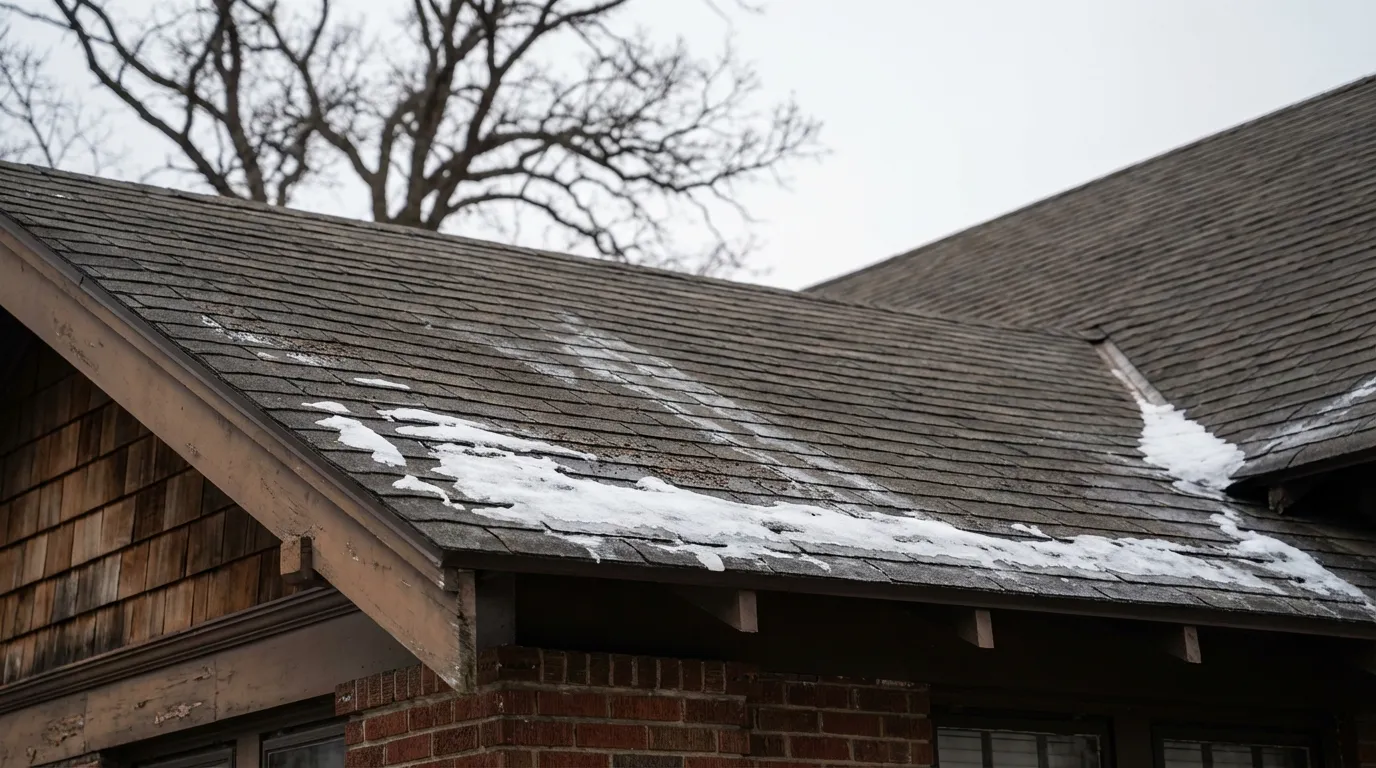
Ice dams are a Minneapolis-specific roofing emergency with no real equivalent in warmer markets. When heat escaping through a poorly insulated roof melts snow that then refreezes at the eave edge, water backs up under shingles and into attic spaces and walls. Damage per incident ranges from $2,000 to $25,000+, most of it insurance-eligible. Homeowners searching "ice dam removal Minneapolis" in January are not gathering three bids — they have water dripping through their ceiling and they want a contractor on the phone immediately.
The Insurance Angle Competitors Ignore
Minneapolis receives an average of 4–6 significant hail events per year across the metro, and each one triggers a surge of insurance-driven roof replacement searches. The problem: most roofing PPC campaigns don't have a dedicated post-storm campaign ready to activate. By the time a roofing company notices the spike, updates their ads, and launches a new campaign, the first 48–72 hours of peak search volume have already passed — to competitors who were prepared.
The second insurance-related failure is messaging. Homeowners who've just experienced hail damage search differently than homeowners planning an elective replacement. They search "hail damage roof Minneapolis," "roof insurance claim Minneapolis," and "does my homeowner's insurance cover roof replacement." A generic "roofing company Minneapolis" campaign doesn't capture this intent efficiently. Without dedicated insurance-claim ad groups and landing pages that explicitly address the claims process, you're paying for clicks from buyers whose conversion path doesn't match your landing page.
Competitive Density in Minneapolis Roofing
Hennepin County has an estimated 300–400 licensed roofing contractors, of which 60–80 are active Google Ads buyers. Major regional advertisers — Hatch Roofing, Minnesota Exteriors, Advantage Construction — maintain year-round campaigns with high Quality Scores built from years of account history. National franchise brands (Owens Corning Preferred, GAF Master Elite networks) add further competition on brand-adjacent keywords.
- Ice dam keywords ("ice dam removal Minneapolis," "roof ice dam Minneapolis") — CPC $18–$35, peak Jan–Mar, very high intent
- Storm damage keywords ("hail damage roof Minneapolis," "roof insurance claim Minneapolis") — CPC $22–$42, surge after storm events
- Replacement keywords ("roof replacement Minneapolis," "new roof cost Minneapolis MN") — CPC $20–$38, year-round with spring/fall peaks
- Repair keywords ("roof repair Minneapolis," "missing shingles Minneapolis") — CPC $16–$28, lower ticket but high volume
Smaller operators competing against Hatch and Minnesota Exteriors on broad replacement keywords lose on brand equity and account history. The winning approach for local SMBs is neighborhood-level specificity — "Northeast Minneapolis roofer," "South Minneapolis roof replacement" — combined with ice dam and storm-damage campaigns that larger advertisers underinvest in due to their operational scale requirements.
Building a Minneapolis Roofing Campaign That Wins Two Seasons
Effective Minneapolis roofing PPC runs on four campaign tracks that rotate in prominence through the year. The ice dam track dominates Q1. The storm/insurance track activates reactively in spring and summer. The replacement track runs year-round with budget peaks in April–May and September. The repair/inspection track fills off-peak months.
Track 1: Ice Dam Emergency (January–March)
This campaign needs to be built before winter — not in response to it. Ad copy leads with urgency and local expertise: "Minneapolis Ice Dam Removal — Same-Day Service, Licensed & Insured." Call extensions are mandatory; homeowners with active water intrusion call, they don't fill forms. The landing page must address ice dam causes, removal methods, and what happens if left untreated — education-forward pages convert better because they establish expertise before asking for a call.
- "ice dam removal Minneapolis" — $22–$35 CPC
- "roof ice dam repair Minneapolis" — $20–$30 CPC
- "ice dam damage Minneapolis" — $18–$28 CPC
- "heat cable installation Minneapolis roof" — $14–$22 CPC
Track 2: Storm/Hail Insurance (May–August, Activated Reactively)
Build this campaign in April so it's ready to activate within hours of a significant hail event. Target insurance-claim-intent keywords with landing pages that explicitly walk homeowners through the claims process. The conversion-driving message is: "We handle the insurance process — free inspection, we work directly with your adjuster." This is the primary reason Minneapolis homeowners choose one roofer over another after a storm event.
Track 3: Replacement (Year-Round, Peaks Apr–May and Sep–Oct)
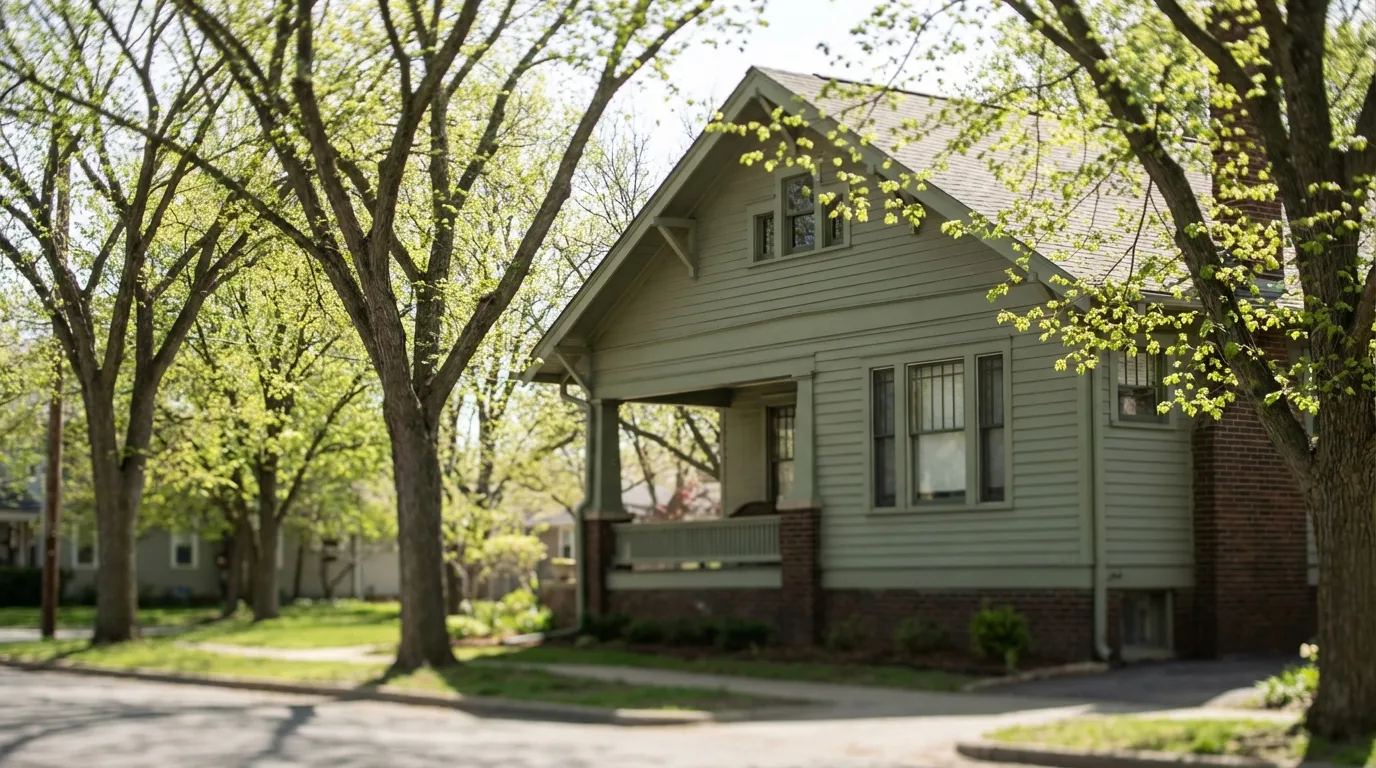
Replacement campaigns target homeowners in research mode — comparing companies, reviewing materials, gathering estimates. These buyers have 3–8 week close cycles. Landing pages with before/after project photos from actual Minneapolis homes (Craftsman bungalows, Tudor revivals, post-war ramblers) convert better than generic national imagery. Manufacturer certification messaging — "GAF Master Elite Contractor," "Owens Corning Preferred" — improves CTR measurably in this segment.
Remarketing is essential for replacement-intent visitors. A homeowner who researched roof replacement in September and didn't convert should see display remarketing ads through October and into November, when falling temperatures create urgency to complete the project before freeze.
Track 4: Inspection + Repair (March–April and September–October)
Lower-ticket inspection and repair campaigns run on tighter budgets. The primary function is lead volume in shoulder months plus upsell conversion to replacement projects. "Free roof inspection after winter" is a proven Minneapolis hook for March–April — it captures homeowners who haven't yet discovered ice dam or wind damage and converts a meaningful percentage to full replacement projects.
Google Partner Agency
We're a certified Google Partner Agency, which means we don’t guess — we optimize withGoogle’s full toolkit and insider support.
Your campaigns get pro-level execution, backed by real expertise (not theory).

The Minneapolis Roofing Data Point That Changes Budget Decisions
Most roofing operators think January–February is the dead season and allocate minimal budget accordingly. The Minneapolis data shows the opposite: ice dam removal searches peak in late January and early February — precisely when most competitors have reduced their campaigns. A roofing company that maintains or increases ice dam campaign budget through February captures market share at lower effective CPCs because the competitive auction has thinned out.
The ice dam removal category is also structurally different from replacement: it's a pure emergency service with no meaningful price comparison behavior. Homeowners searching "ice dam removal Minneapolis" at 10am on a Tuesday with water coming through their ceiling ceiling are not checking reviews for 45 minutes. The first credible business that appears in their search, has a working phone number prominently visible, and answers the phone converts the lead. This fundamentally changes the ROI calculation compared to a $12,000 replacement lead that requires multiple bids.
Why Spring is More Competitive Than You Think
The post-hail storm surge in Minneapolis is well-known in the roofing industry, which is exactly why it becomes intensely competitive. When a major hail event hits the metro, Google Ads CPCs for storm-related roofing keywords can spike $35–$60 per click within 24 hours as every active roofing advertiser increases bids simultaneously. The companies that win this auction aren't the ones with the highest budgets in that moment — they're the ones with the highest Quality Scores built from months of pre-storm campaign history.
Quality Score in Google Ads is partly determined by historical click-through rates and landing page relevance. A roofing company that has been running a storm-damage ad group since April — with a dedicated landing page, strong historical CTR, and clean account structure — will have a significantly higher Quality Score than a company that activates a new storm campaign the morning after a hail event. Higher Quality Score means lower effective CPC and higher ad positions, even against competitors who are suddenly bidding more aggressively.
The practical implication: Minneapolis roofing companies should activate storm-intent campaigns in April, not in response to the first hail event of the year. The campaign only needs modest budget in April and May — it's building Quality Score history. When the hail event arrives in June or July, the campaign is already competitive.
Minneapolis roofing PPC requires knowing which season you're selling into and building campaigns that match buyer intent in each window — not running a single "roofing Minneapolis" campaign that treats an ice dam emergency the same as a homeowner planning a replacement for next spring. These are fundamentally different buyers with different urgency, different price sensitivity, and different information needs.
At MB Adv Agency, we build Minneapolis roofing accounts around pre-built seasonal tracks that are ready to activate — not scrambled together after a storm event. Ice dam campaigns go live in October. Storm/hail campaigns are built in April. Replacement campaigns run year-round with dynamic budget allocation. This is what separates accounts that win the post-hail surge from accounts that watch it go to competitors who were prepared.
We work with roofing companies running $3,000–$8,000/month in ad spend and have structured accounts in comparable Midwest markets. The pattern is consistent: the biggest gains come not from higher budgets, but from structural changes — campaign segmentation by intent, dedicated storm-response infrastructure, and remarketing that captures the replacement buyers who need 4–6 weeks to decide.
Review our Google Ads management approach for home service companies, or see how our Growth Mode and Aggressive Push tiers align with typical Minneapolis roofing PPC budgets.

Frequently Asked Questions
Is Minneapolis roofing PPC worth running in the winter?
Winter is one of the highest-ROI windows in the Minneapolis roofing calendar — but only if you're running an ice dam campaign, not a generic replacement campaign. Generic roof replacement searches drop significantly in December and January because homeowners aren't planning elective projects in -10°F weather. But ice dam removal and emergency repair searches spike precisely in that window.
The economics work like this: a well-structured ice dam campaign running in January and February in Minneapolis will typically see CPC of $20–$35 with conversion rates of 8–12%, because the buyer is in emergency mode. An ice dam removal job averages $600–$1,200; an ice dam that has caused water intrusion typically converts to a full inspection and often a repair or replacement project worth $5,000–$15,000. Even at a $35 CPC with 10% conversion rate, the CPL is $350 — and a single ice-dam-to-replacement upsell covers that acquisition cost with significant ROAS.
The mistake is running a replacement campaign in January and expecting it to perform. It won't — the buyer intent isn't there. Run ice dam and emergency repair campaigns in winter, switch primary budget to replacement and storm damage in spring and summer. Matching campaign type to seasonal intent is the core discipline in Minneapolis roofing PPC.
How do I capture leads after a hail storm in Minneapolis?
The answer to this question starts three months before the storm. Minneapolis roofing companies that consistently win post-hail leads are the ones who built their storm-damage campaigns in April — not in response to a June hail event. Google Ads Quality Score is a historical metric; an account that activates a brand-new campaign the morning after a storm will have a lower Quality Score than a competitor who has been running the same campaign since spring, even if both are bidding aggressively.
When a storm event does occur, the tactical priority is immediate bid increases and budget caps raised on storm-intent keywords within the first hour. Keywords like "hail damage roof Minneapolis," "roof inspection after storm Minneapolis," and "does insurance cover hail roof damage" will see 200–400% search volume spikes within 24 hours. Your campaign needs to be positioned to capture these clicks with competitive bids, strong Quality Score, and a landing page that directly addresses the post-storm situation.
The highest-converting post-storm landing page in Minneapolis roofing includes: a "free storm damage inspection" CTA above the fold, a clear statement that you work with all major insurance companies, and a trust section showing local certifications (GAF, Owens Corning). Avoid using the word "free" in Google Ads headlines (it triggers policy review delays) — save it for the landing page. The ad copy should focus on speed and insurance expertise: "Storm Damage Inspection — We Work With Your Adjuster — Minneapolis Roofing."