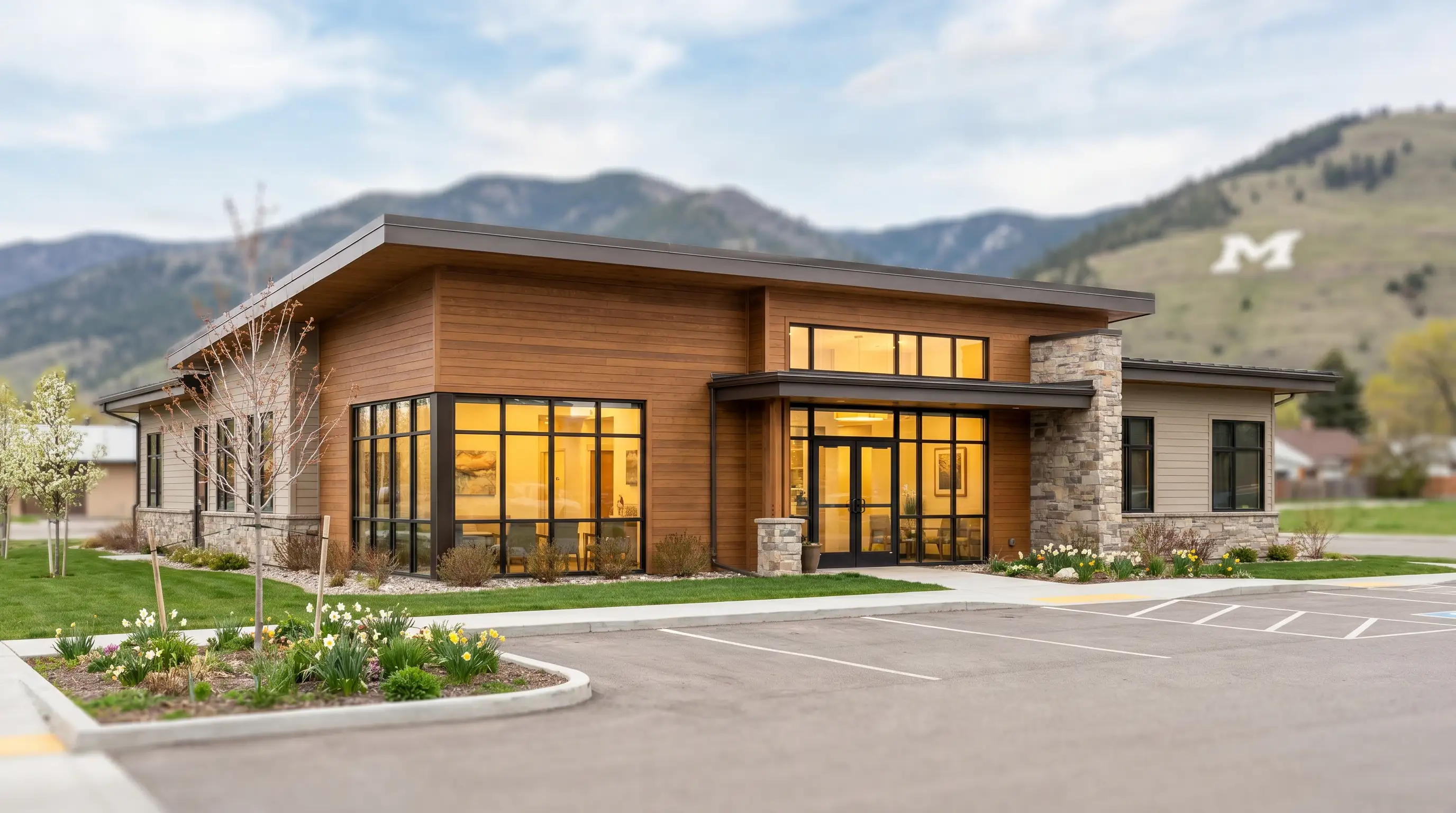
Veterinary PPC Missoula, MT
Missoula's outdoor recreation culture produces per-capita dog ownership rates well above the national average, and those dogs hike the Rattlesnake Wilderness, wade the Clark Fork, and encounter rattlesnakes on summer trails — generating veterinary emergency search patterns unique to this market that VCA's national campaign templates don't reach and that independent practices haven't yet claimed.
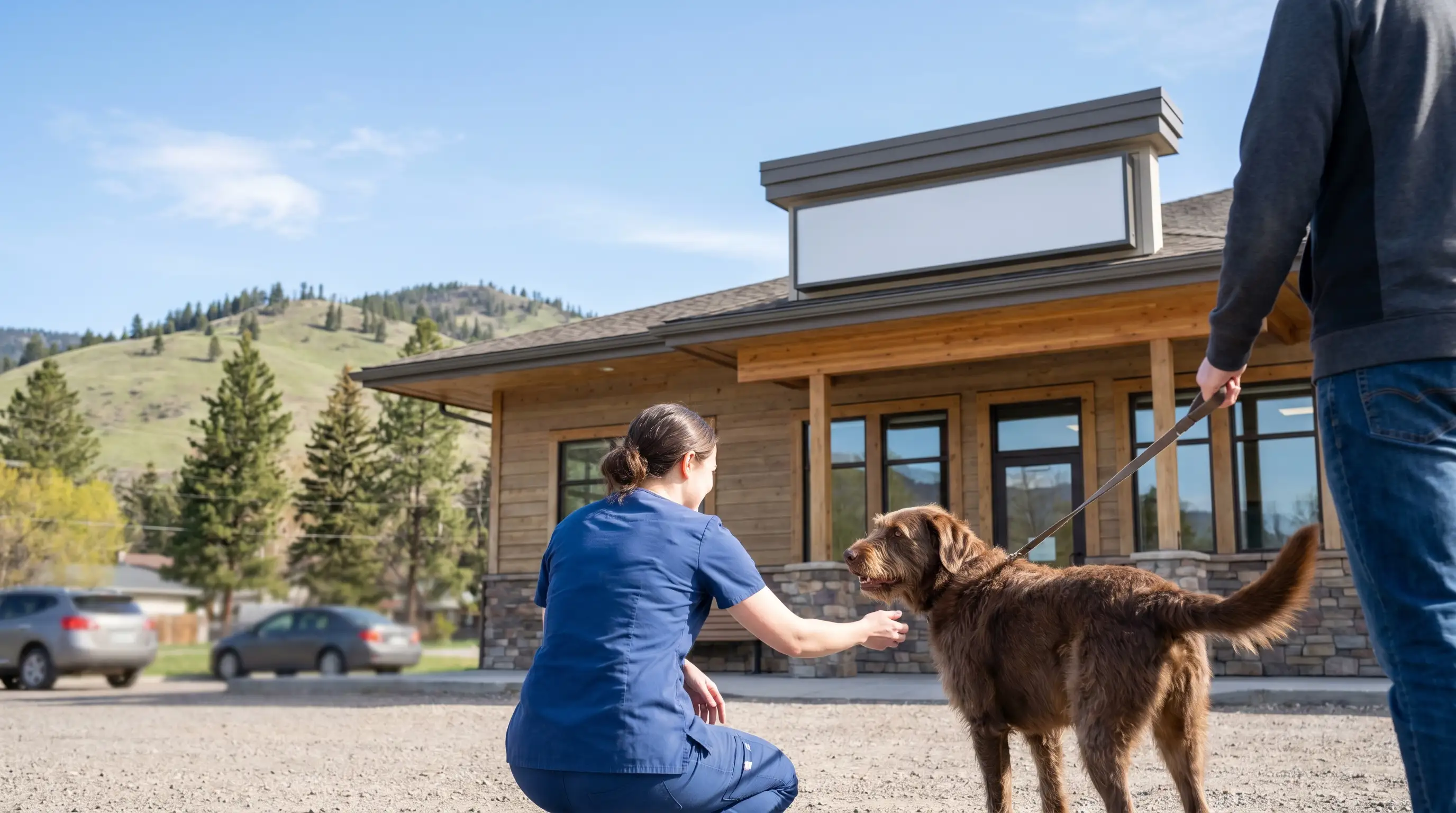
Why Do Veterinary PPC Campaigns Fail in Missoula?
Veterinary PPC in Missoula fails for two distinct reasons depending on the advertiser. National corporate chains — primarily VCA Lewis & Clark Animal Hospital — run well-funded, brand-focused campaigns that dominate broad "vet Missoula" searches. Local independent clinics, including Rattlesnake Veterinary Hospital and Western Montana Veterinary Hospital, run minimal PPC or none at all, relying on word-of-mouth in a market where new-resident acquisition through search grows larger every year. Clark Fork Veterinary Clinic maintains a minimal campaign presence but without segmentation by intent type. The result: VCA wins the volume keyword game while the search segments that independent practices can actually win — new patient acquisition, trail emergency care, and spring prevention — remain unclaimed.
The campaign failure for local clinics that do run ads is structural: the same ad copy for a new patient searching "vet accepting new patients Missoula MT," an owner with an injured trail dog searching "emergency vet Missoula," and a pet owner checking spring vaccine schedules searching "dog vaccination Missoula." These are different customers in different states of urgency, requiring different landing pages and different conversion actions. A new patient search needs a booking interface, a patient intake overview, and messaging about new patient availability. An emergency search needs a phone number above the fold and a "we're available now" headline. Treating all three identically produces below-average performance across every segment.
VCA's Competitive Pressure and the Counterstrategy
VCA's national advertising budget creates broad keyword competition that independent practices can't match on spend. The response is to outmaneuver, not outspend. VCA campaigns target broad, high-volume terms ("vet near me," "animal hospital Missoula") but lack the neighborhood-specific, outdoor-culture, relationship-marketing messaging that independent practices deploy authentically. Searches for "local vet Missoula accepting new patients" and "independent vet Missoula MT" — terms that signal a deliberate VCA alternative search — convert at higher rates for independent practice messaging than VCA's generic national copy. This segment represents long-term patient relationships worth $400–$900 annually per patient — and it searches specifically for what VCA cannot credibly offer.
Seasonal and Segmentation Blind Spots
Missoula's veterinary demand runs on a seasonal cycle that most local campaigns ignore. Spring vaccination season (March–May) drives the highest volume of routine care searches. Summer trail season (June–August) generates the most emergency and urgent-care searches — rattlesnake bites, trail injuries, heat stress. Fall (September–October) brings tick-borne illness discovery as animals are tested after outdoor season. Winter brings routine care and chronic condition management. A campaign running the same messaging and the same budget year-round is optimized for no season particularly well.
The new-resident acquisition window is equally underserved. Households relocating to Missoula search for a new veterinarian within 1–3 months of arrival. This search happens once per household, converts immediately to a new patient appointment, and begins a patient relationship with $400–$900 in annual LTV. Missing this window means losing those patients to whichever clinic shows up first in their search results.
Building a Veterinary PPC Strategy for Missoula's Outdoor Culture
The Missoula veterinary PPC strategy that outperforms VCA without matching their spend operates four campaign tracks: new patient acquisition, emergency and urgent care, seasonal prevention, and VCA alternative positioning. The new patient and emergency tracks drive the most revenue. The prevention track builds the patient base that delivers LTV over time. The alternative positioning track directly intercepts VCA-adjacent searches from pet owners ready to switch.
Track 1 — New Patient Acquisition and Relocation
Year-round, lower urgency, high LTV. Target searchers using "new patient" signals and geographic intent indicating relocation research. A dedicated landing page with booking availability, new patient offer (first exam discount or bundled new patient exam and vaccines), and imagery reflecting Missoula's outdoor identity — trail dogs, mountain backdrop, friendly local clinic environment — converts this segment measurably better than a standard homepage. Apply geographic bid adjustments targeting Pacific Northwest metros where most Missoula in-migrants originate.
- New patient keywords: "vet accepting new patients Missoula MT," "new veterinarian Missoula," "veterinary clinic Missoula accepting new patients" — CPC $8–$14. Year-round. Annual LTV per acquired patient $400–$900. New patient offer converts well.
- New resident relocation: "vet near me Missoula MT," "veterinarian Missoula Montana," "best vet in Missoula MT" — CPC $6–$12. Year-round. Pacific Northwest geo-bid modifiers to capture pre-arrival researchers during the 1–3 month relocation research window.
Track 2 — Emergency and Urgent Care (Trail Season Priority)
Seasonal concentration June–August for trail emergencies, but genuine year-round emergency search volume exists. Call extension first on mobile — these are time-sensitive calls where landing page friction loses conversions. Dedicated emergency landing page with phone number above the fold and "available now" messaging. Rattlesnake bite awareness is a genuinely unique keyword category in Missoula: searches that carry near-zero national aggregator competition, high urgency, and immediate conversion intent.
- Emergency vet keywords: "emergency vet Missoula," "emergency veterinarian Missoula MT," "urgent care vet Missoula" — CPC $10–$16. Highest CVR in the category (10–18%). Call-only ads during after-hours. Year-round with summer surge budget.
- Trail and outdoor injury: "dog snake bite Missoula," "vet for injured dog Missoula MT," "porcupine quills dog Missoula," "trail injury dog vet Missoula" — CPC $7–$12. Seasonal May–September. Mobile-first with call extension required. Near-zero national aggregator competition on these terms.
Track 3 — Seasonal Prevention and VCA Alternative
Spring (February–April) is the highest-volume window for preventive care searches: vaccinations, licensing, flea and tick prevention, and heartworm testing all spike as trail season approaches. This track builds the routine patient base that generates annual LTV and cross-sells into dental cleanings, wellness packages, and specialist referrals. The VCA alternative messaging runs year-round and specifically targets pet owners who have experienced corporate clinic frustration.
- Prevention and vaccination: "dog vaccination Missoula MT," "vet checkup Missoula," "annual exam vet Missoula Montana," "tick prevention dog Missoula" — CPC $5–$9. Spring peak February–May. Include tick and Lyme prevention messaging for outdoor dogs.
- VCA alternative positioning: "local vet Missoula," "independent vet Missoula MT," "small animal vet Missoula Montana" — CPC $6–$10. Year-round. Ad copy emphasizing: same-week appointments, personalized care, local ownership. Directly targets the frustration VCA patients express about wait times and rotating staff.
Budget split: 35% new patient/relocation (year-round), 30% emergency/trail (year-round with 50% summer surge), 25% prevention/wellness (February–May ramp), 10% VCA alternative (year-round). Double the emergency and trail budget from June 1 through September 30 when rattlesnake and outdoor injury season is active.
Google Partner Agency
We're a certified Google Partner Agency, which means we don’t guess — we optimize withGoogle’s full toolkit and insider support.
Your campaigns get pro-level execution, backed by real expertise (not theory).

What Market Trends Should Missoula Veterinary Practices Know?
Missoula's veterinary market has demand drivers that don't exist at meaningful scale anywhere outside western Montana outdoor recreation culture. Rattlesnake bites, porcupine quill encounters, and trail injury emergencies are genuine PPC categories here — not theoretical ones. Understanding these local demand signals and their seasonal timing produces a campaign that no national template can replicate.
Trail Dog Emergency Season and the Rattlesnake Window
Missoula's trail culture makes canine outdoor emergencies a predictable and searchable summer category. Rattlesnake Wilderness and Lolo National Forest trail systems see significant year-round dog traffic, and summer weekend use peaks generate injury events — paw lacerations on rocky terrain, off-trail falls, snake and porcupine encounters — that drive same-day veterinary searches. Rattlesnake bite emergency searches peak between June and September, coinciding with when prairie rattlesnakes are most active in lower-elevation grasslands south and east of the city. Porcupine quill encounters are a year-round trail hazard — dogs need sedation and professional quill extraction, and owners search within minutes of the encounter. These keyword searches are hyper-local and carry near-zero national aggregator competition. A practice running dedicated emergency trail injury keywords from May through September at modest budget ($150–$250/month) captures high-conversion emergency visits with essentially no bidding competition. Average emergency visit revenue runs $400–$1,800 depending on severity and treatment required.
New Resident Acquisition and the Remote Worker Opportunity
Households relocating to Missoula search for a new veterinarian within 1–3 months of arrival. This window is predictable: it happens once per household, converts immediately to a new patient appointment if the result appears credible, and begins a patient relationship worth $400–$900 per year in LTV. The remote worker relocation cohort arriving since 2019 brings established, well-cared-for pets and above-average willingness to invest in pet healthcare — these are households with coastal salary expectations making veterinary decisions in a smaller market where premium care is available but not always easy to find through generic search results.
UM students with pets form a distinct secondary segment: practices in the university district that advertise flexible hours, transparent pricing, and student-sensitive policies convert this cohort into patients who maintain the relationship post-graduation if the practice earns their initial trust. A young dog owner at 21 who finds their first adult veterinarian represents a 10–15 year patient relationship.
Tick-borne illness is a growing preventive care search category. Rocky Mountain spotted fever and Lyme-adjacent illnesses from dog and deer ticks are increasingly discussed in Missoula's outdoor community, and pet owners who spend time in the Bitterroot and Clark Fork river corridors are researching prevention and testing. Including tick-borne illness keywords in spring prevention campaigns captures this intent at low CPCs before it matures into a competitive search category.
Why Missoula Veterinary Practices Need Market-Specific PPC Management
A generic veterinary PPC template doesn't include keywords for rattlesnake bites, doesn't know that porcupine quill removal is a locally searched emergency service, and doesn't account for the compressed new-resident acquisition window created by Missoula's sustained in-migration. These are market-specific demand patterns that only exist in contexts like this — outdoor recreation culture layered onto a university town experiencing multi-year new-resident growth.
MB Adv Agency builds veterinary campaigns around the Plastic-Brick methodology: establishing what VCA can't compete with first — local authenticity, specific outdoor emergency keywords, new-resident relocation targeting — then scaling broader patient acquisition budget from that foundation. The goal is a campaign that wins the segments where corporate spending doesn't reach and builds patient volume from a position of earned advantage.
Our lead generation PPC services include the audience targeting, seasonal management, and conversion page development that veterinary practices need to compete in a market with a national corporate chain as the dominant advertiser. Pricing starts at $497/month. See the Missoula services page for the complete veterinary market analysis, or visit MB Adv Agency to request a competitive audit.

Frequently Asked Questions
How Much Does Veterinary PPC Cost in Missoula, MT?
Veterinary PPC in Missoula costs $5–$12 per click on standard terms, with new patient and emergency keywords running $8–$16. A starting budget of $500–$900 per month generates 15–25 qualified leads — primarily new patient appointment requests and emergency care calls — per month across all campaign tracks. Cost-per-lead runs $35–$75, with emergency care leads converting at lower CPL ($25–$45) due to high urgency, and new patient acquisition leads converting at $50–$75 because they require a multi-step intake process before the first appointment is confirmed. The most efficient budget allocation segments spend across three tracks: new patient acquisition running year-round at a flat baseline, emergency care running mobile-first with call extensions and a summer surge from June through September, and spring prevention running a February–April ramp. This allocation produces consistent new patient volume throughout the year rather than a seasonal spike followed by months of minimal activity. Annual patient LTV of $400–$900 means even a $75 CPL for a new patient represents a positive return in the first year alone, with subsequent years delivering higher-margin revenue from the same acquired patient.
VCA competitive dynamics: VCA bids on broad "vet Missoula" and "animal hospital Missoula" terms at scale, driving up CPCs on those queries. Independent practices get better CPL on long-tail and specific terms — "vet accepting new patients Missoula," "independent vet Missoula MT" — where VCA's national template copy doesn't compete with authentic local messaging.
Trail emergency keyword value: Rattlesnake bite and porcupine quill keywords cost $7–$12 with almost no competitor bidding. Emergency visit revenue runs $400–$1,800. The cost-per-acquired-emergency-patient in this keyword set is extremely favorable — a segment where a $500 monthly budget captures high-revenue emergencies at essentially no competition.
How Can Missoula Veterinary Practices Compete with VCA in Google Ads?
Independent veterinary practices in Missoula compete with VCA not by outspending them on broad keywords, but by winning the market segments where VCA's national campaign structure is systematically weak. VCA runs volume-optimized campaigns built for every market simultaneously — the same ad copy that runs in Missoula runs in Phoenix and Atlanta. It cannot authentically target searches about Rattlesnake Wilderness trail injuries, new Missoula residents seeking a neighborhood vet, or the local outdoor pet community's specific preventive care concerns. An independent practice that builds campaigns around Missoula-specific search behavior wins these segments by default. Targeting "vet accepting new patients Missoula MT" instead of "vet near me Missoula" reduces direct competition with VCA's broad keyword spending while capturing the high-LTV new resident segment. Adding trail emergency and snake bite keywords from May through September creates a campaign category that VCA does not bid on. Running "local vet Missoula" and "independent veterinarian Missoula MT" with messaging about personalized care, same-week appointments, and transparent pricing directly addresses the frustrations pet owners consistently express about corporate veterinary chains. This approach requires identifying and owning the 30–40% of the Missoula veterinary search market that VCA's template systematically ignores.
Retargeting for the new patient research cycle: A pet owner who visits your website but doesn't book is in a research phase lasting 1–3 weeks. Retargeting campaigns — display ads following this visitor across the web — maintain visibility through that consideration window. CPL from retargeting in veterinary typically runs $15–$35 per confirmed appointment, the lowest CPL in the entire account.
Review count as a competitive moat: Google Ads Quality Score incorporates local reputation signals. Practices with 50+ high-rated reviews see lower effective CPCs on local search terms than practices with sparse review histories. A systematic review request process following each visit compounds over time into a structural Google Ads cost advantage that VCA's national review system cannot easily replicate at the local clinic level.