Start
$590$990/month
1 platform · Google or MetaGoogle + Meta- Ad spend
- up to $3,000
- New creativesmade by us
- Google + Meta only4 a month
 By Matteo Braghetta, Founder · Google Ads
Lubbock's dental market is highly competitive and structurally underserved at the same time. With 100+ dental practices competing for roughly 265,000 residents — plus Aspen Dental and Texas Tech's discount dental school capturing cost-sensitive patients — private practices fight for the working-adult segment that pays full rate, books cosmetic procedures, and becomes a recurring family patient. Google Ads is the primary discovery channel for new patients in Lubbock, and with CPCs running $5–$24, campaigns that convert even one additional patient per week generate extraordinary ROI.
See how this city's Dental PPC costs compare nationally in our Dental PPC Statistics report, featuring data from 40+ US cities.
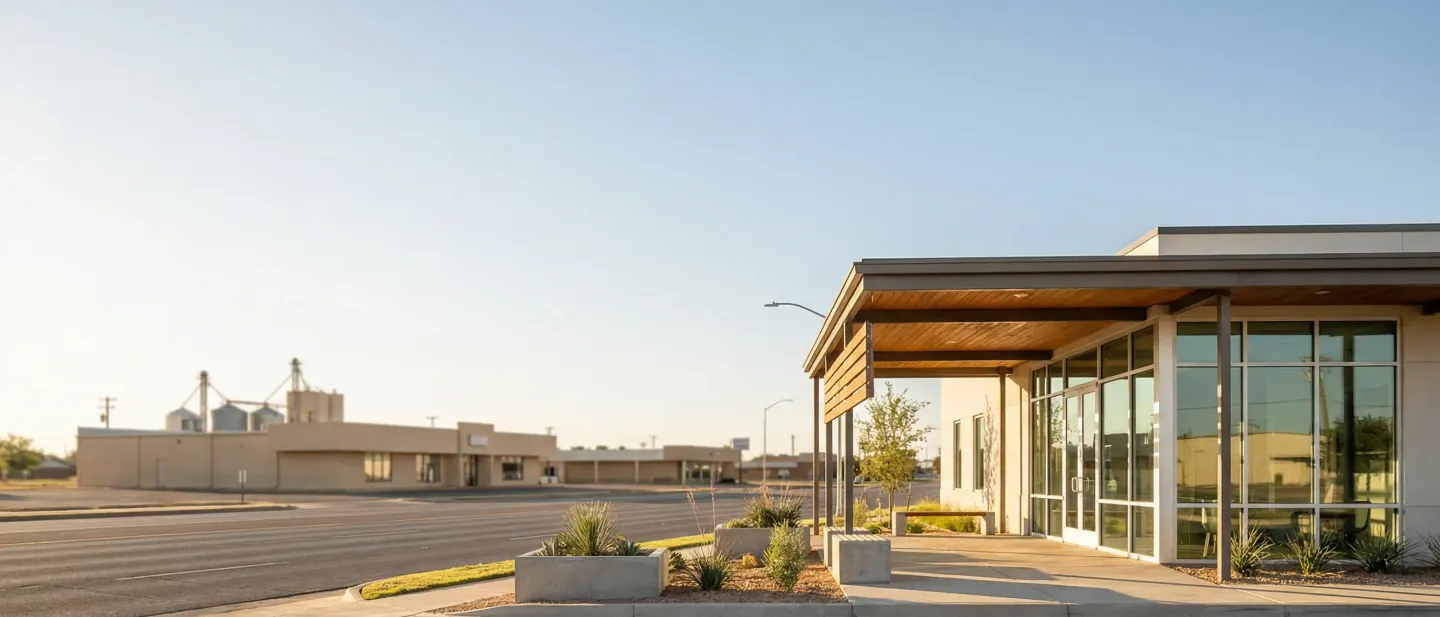
In Lubbock, TX, people search for dental services about 3,160 times a month on Google; a top-of-page click costs $5–$24, and demand peaks in September.
Google Keyword Planner · Oct 2025 – Sep 2026
| Search | Monthly searches | Top-of-page CPC |
|---|---|---|
| dentist near me | 880 | $5–$20 |
| dentist | 720 | $5–$20 |
| invisalign | 260 | $2–$17 |
| orthodontist | 210 | $20–$92 |
| veneers | 170 | $3–$10 |
| dental clinic | 140 | $2–$17 |
| dental implants | 110 | $10–$26 |
| teeth whitening | 110 | $2.17–$4.57 |
| wisdom teeth removal | 110 | $3–$10 |
| pediatric dentist | 90 | $5–$21 |
US: $21
Google Keyword Planner · Oct 2025 – Sep 2026
Source: Google Keyword Planner (Google Ads), Google Search, English, Lubbock, TX, Oct 2025 – Sep 2026. Volumes are Google's monthly averages; CPC is the top-of-page bid range, weighted by search volume. How we collect these figures.
Lubbock's dental PPC landscape looks straightforward on the surface — a competitive mid-size Texas market with established CPCs and predictable search volume. In reality, it's one of the more structurally complex PPC environments for a private dental practice, because the competitive pressures come from two distinctly different directions simultaneously: DSO chains with national ad budgets and the Texas Tech Dental School absorbing cost-sensitive patients at below-market pricing.
The result is a market where private practices need to win on specificity and patient experience messaging — not price. Campaigns that lead with discounts (" $49 New Patient Special!") attract the exact segment of patients who are most likely to churn, skip follow-up care, and price-shop at the next renewal. The dental practices that grow efficiently in Lubbock are those whose PPC campaigns clearly communicate the value of private practice — same-day appointments, experienced practitioners, modern diagnostic technology, and family continuity — and target the search queries where that value proposition actually converts.
Aspen Dental operates in the Lubbock market with standardized Google Ads campaigns built on national account history, high Quality Scores from years of optimization, and budgets that dwarf local independent practices. Their campaigns run on broad match keywords, capture significant impression share on "dentist near me" and "dental office Lubbock TX," and convert on brand recognition. Competing against Aspen Dental on generic terms requires either matching their budget (not viable for most independents) or winning on relevance — which means building campaigns with narrower, higher-intent keyword targets, more specific ad copy, and landing pages designed to convert on the values that DSO patients actively reject: personal relationships, scheduling flexibility, and continuity of care with the same dentist over time.
The Texas Tech Dental School dynamic adds a floor constraint: price-sensitive patients will always have a below-market option. Private practice PPC shouldn't try to compete for these patients. The campaigns that work position the practice as the alternative to waiting months for a student-supervised appointment and to the DSO assembly-line experience — not as a discount option.
Most Lubbock dental PPC campaigns suffer from keyword cannibalization — bidding on overlapping terms across ad groups that split budget and degrade Quality Score. Common failure: running "dentist Lubbock TX," "family dentist Lubbock," and "dental office near me" in the same broad-match ad group. These terms share intent overlap but different purchase stages, and combining them under one ad copy forces the system to serve generic ads to all three groups. A searcher looking for a family dentist wants to see "accepting new families" in the headline. A searcher looking for a dentist near them wants to see a Lubbock address and review count. Same ad serving both converts neither well.
The mobile-first reality of Lubbock's 30.5-year median age demographic compounds this. Young adults searching for dentists are predominantly on smartphones — and smartphone dental searches are 60–70% click-to-call intent. Campaigns serving text ads with lead form CTAs to mobile users convert at half the rate of call-only or call-extension-enabled campaigns in this demographic.
Effective Lubbock dental PPC is built on three pillars: keyword segmentation by service and intent, ad copy that differentiates from DSO chains, and landing pages designed for the specific conversion action each patient type needs. Here's what a properly structured campaign looks like.
Keyword segmentation by service category: Running all dental keywords in one campaign destroys Quality Score and ad relevance. Separate campaigns for each major service category allow targeted copy, targeted landing pages, and targeted bids:
Ad copy that differentiates from Aspen Dental: DSO chains run copy that emphasizes "convenient locations" and "affordable care." Private practices should run copy that explicitly positions against the DSO experience:
Emergency campaign structure: Emergency dental queries convert at 2–3x the rate of general dentistry searches because the purchase decision is immediate. "Tooth pain Lubbock TX" searchers aren't comparing three practices — they're clicking the first credible result. Call-only ad format is essential here: mobile emergency searchers need to call, not fill out a form. Ad schedule: ensure the campaign runs 7am–8pm seven days a week, as dental emergencies don't respect weekdays.
No-insurance targeting: Lubbock's poverty rate of 12.6% and per capita income of $33,700 mean a significant portion of the adult population lacks dental insurance. Campaigns targeting "no insurance dentist Lubbock," "affordable dentist Lubbock TX," and "dental payment plans Lubbock" reach this underserved segment — but convert them on value and payment options, not price. In-house membership plans ($200–$400/year covering two cleanings and a percentage discount on treatment) have emerged as the private practice answer to DSO pricing and Texas Tech's discount care. Promoting membership plans in ad copy and landing pages converts the uninsured segment at higher LTV than single-visit offers.
Lubbock's dental market contains several demand patterns that create consistent PPC opportunities for practices that understand the local demographic and competitive landscape in detail.
Lubbock's median age of 30.5 years positions it as one of the younger dental markets in Texas — and younger adults drive cosmetic dentistry demand. Teeth whitening, Invisalign, veneers, and bonding are all growth categories among 22–40 year-old working adults who have income but not necessarily full dental insurance. The Texas Tech graduate pipeline continuously adds young professionals to the Lubbock market — people in their first or second jobs, with disposable income, who are making elective cosmetic decisions for the first time.
Key insight: Invisalign PPC in Lubbock is currently undercompeted relative to major Texas metros. "Invisalign Lubbock TX" carries CPCs of $2–$17, while the qualified patient pool (young professionals, 25–38 age bracket, $40,000–$80,000 income) is actively searching. A dedicated Invisalign or cosmetic dentistry campaign targeting this demographic converts at 8–10% CVR with an average treatment value of $3,500–$6,000. The lead economics here are exceptional relative to the current competitive environment.
Lubbock County has a high birth rate relative to Texas averages and a young family demographic driven by Texas Tech's graduate and faculty population. Families with children represent a high-LTV patient segment — one new family patient often means 3–5 active patients (parents + children) at different treatment stages. Family dentistry keywords — "family dentist Lubbock TX," "pediatric dentist Lubbock," "kids dentist near me Lubbock" — convert on reassurance and convenience messaging. Parents booking for their children want to see friendly staff imagery, child-welcoming language, and same-week appointment availability in both ad copy and landing pages.
Back-to-school season (July–August) is a hidden demand window for pediatric dental — parents scheduling cleanings and exams before the school year begins. Campaigns that run "Back-to-School Checkups — Book Now" copy in July outperform general new patient campaigns during this window. The competitor who activates this seasonal angle captures a disproportionate share of the family patient acquisition market during what is typically a low-competition PPC window in dental.
With Lubbock's poverty rate at 12.6% and per capita income at $33,700 — significantly below the US average — dental insurance coverage gaps are wide and structural. This isn't a fringe market. Estimates based on Texas uninsured rate data suggest 60,000–80,000 Lubbock adults lack dental insurance. Many of these adults are working-income individuals who pay out of pocket for routine care and have high urgency when dental problems become acute. Campaigns that acknowledge this reality — "No Insurance? We Have In-House Financing" — convert this segment with significantly higher efficiency than campaigns that assume insurance coverage is standard. The per-visit revenue is similar to insured patients; the lifetime value is comparable; the marketing signal that converts them is simply different.
Generic dental PPC management applies national benchmarks to local markets and wonders why patient acquisition costs are high. Lubbock-specific dental PPC management starts with the local competitive landscape — Aspen Dental's presence, Texas Tech Dental School's market impact, the 30.5-year median age demographic — and builds campaigns that convert the patients most valuable to a growing private practice.
MB Adv Agency builds dental PPC campaigns that don't compete where you can't win and dominate where you can. Emergency dental, cosmetic dentistry, Invisalign, and family acquisition are the segments where private Lubbock practices have structural advantages over DSO chains — and those are exactly the segments our campaigns are built around. Our lead generation service is designed for practices that need consistent, qualified new patient flow, not just impressions and clicks.
See our pricing structure for practices at different monthly ad spend levels. Management is a fixed monthly fee set by your ad spend, with the tracking set up first: see the plans and prices. Start with the Lubbock market overview and let's discuss what a new patient acquisition target looks like for your practice.
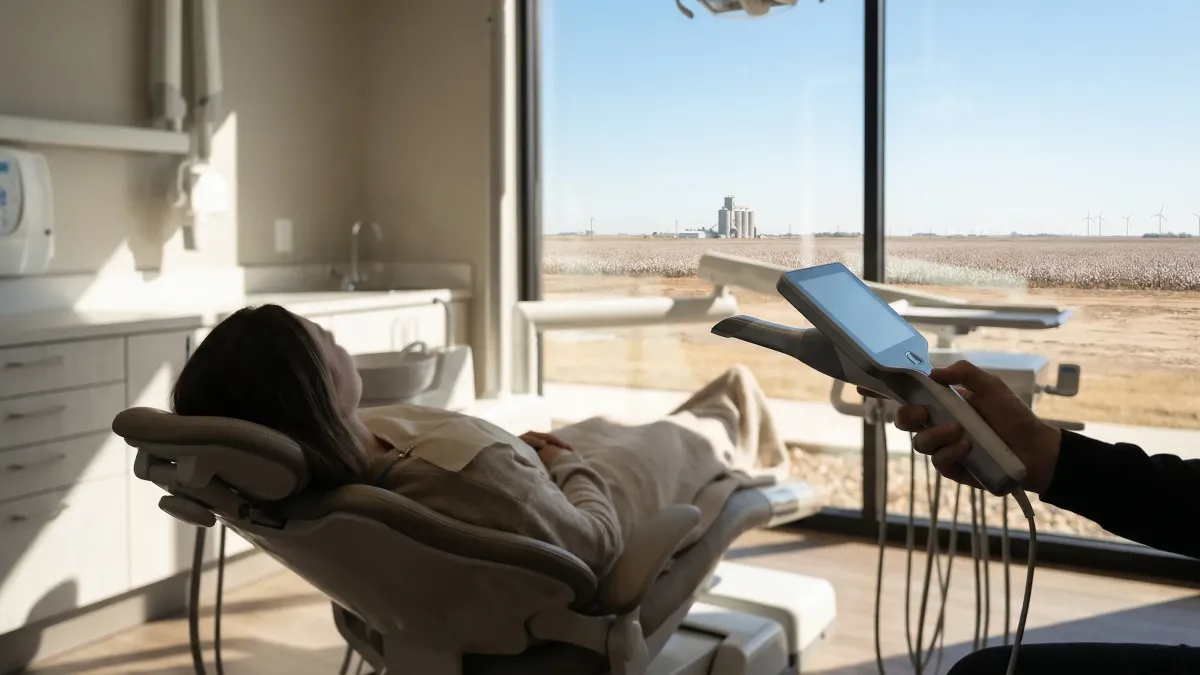
A Lubbock dental practice can run an effective new patient Google Ads campaign with a starting budget of $1,200–$1,800 per month, generating 13–22 qualified leads at a cost-per-lead of $70–$95. This range covers consistent impression share on core new patient keywords ("dentist near me Lubbock," "family dentist Lubbock TX") plus a secondary emergency dental campaign running call-only ads for immediate-need patients. Dental practices with cosmetic services — Invisalign, veneers, whitening — should budget an additional $400–$700/month for a dedicated cosmetic campaign, which generates higher-ticket leads ($3,000–$6,000 per treatment) at slightly higher CPLs ($90–$130) but with a return that dwarfs the campaign cost. Dental implant campaigns require a dedicated budget of $600–$900/month due to higher CPCs ($10–$26) and a longer consideration cycle — but a single implant case ($3,000–$6,000) covers months of campaign costs. The most efficient budget allocation for a growing Lubbock general practice combines new patient acquisition (60%), emergency dental (25%), and cosmetic/specialty (15%) — with the ability to shift toward cosmetic as the practice's referral base matures and new patient cost decreases.
ROI context: At $1,500/month and 15 qualified leads with a 40% conversion rate (6 new patients), average new patient value of $800–$1,200 (first year), revenue generated is $4,800–$7,200 — a 3.2–4.8x ROAS before considering the recurring value of those patients over their lifetime relationship with the practice.
Seasonal note: July and August are the highest-value window for pediatric and family dental PPC in Lubbock — back-to-school scheduling drives searches from parents who haven't been to the dentist in 12+ months. Increasing budgets 20–30% in this window generates a disproportionate share of new family patient acquisitions relative to other times of year.
Lubbock dental practices compete with Aspen Dental on Google Ads by winning on quality and specificity — not budget. Aspen Dental's campaigns are optimized for volume across hundreds of markets, which means their ad copy and landing pages are generic, their extensions are standardized, and their Quality Score on locally-specific queries is lower than a practice running Lubbock-specific campaigns. A private practice bidding on "family dentist Lubbock TX" with ad copy that says "Accepting New Families — Same Dentist Every Visit — Book Online Today" will achieve a higher Quality Score than Aspen's generic "Dental Care Near You — Book an Appointment" copy, because Google's algorithm rewards relevance. Higher Quality Score translates directly to better ad position at lower CPC — private practices routinely achieve top-3 position on local dental queries at 15–25% lower CPC than DSO chains when their Quality Score is properly optimized through relevant copy and landing pages.
Where private practices cannot compete: Brand keyword terms ("Aspen Dental Lubbock") and general category head terms at massive scale. Don't bid on Aspen's brand name — it's expensive and bad for Quality Score. Don't try to match their daily budget on "dentist near me" — match their position with better relevance instead.
Where private practices win decisively: Emergency dental (DSO same-day availability is often poor — they work by appointment), cosmetic and specialty services (Invisalign, implants — where DSO quality is often perceived as inferior), family continuity ("see the same dentist" messaging that hits the exact pain point of DSO rotation), and uninsured patient financing (in-house membership plans that are more flexible than DSO financing programs). These four segments represent the majority of Lubbock dental PPC conversions for private practices that position correctly.
How to read this Cost per click and monthly searches are measured with Google Keyword Planner (see above). Cost per lead, conversion rate, budget and leads are estimates compiled from public benchmarks such as WordStream, not measurements.
Sources PPCChief Dental 2026 + WordStream 2025 Dentists & Dental Services (CPC $7.85, CVR 9.08%, CPL $83.93) + DentalMarketing.com Q1 2024; Lubbock market-size adjustment applied
$590$990/month
1 platform · Google or MetaGoogle + Meta$790$1,290/month
1 platform · Google or MetaGoogle + Meta$1,140$1,940/month
1 platform · Google or MetaGoogle + MetaChatGPT Ads: a separate pilot, $250/month, added to a plan. See the pilot →

Matteo Braghetta founded MB Adv and runs its Google Ads accounts. He takes the first call with every new client, reads the accounts every week and writes the agency’s guides.
The other half of his job is measurement: GA4, Consent Mode and server-side tracking, so the platforms learn from real sales.
MB Adv is a Google Partner agency managing about $4.4M a year in ad spend for clients in the US, the UK and Europe.
Managed on numbers you can check.
Plans for the US