HVAC PPC Auburn, AL
Auburn's HVAC market operates under Alabama's punishing humid subtropical climate — average July highs of 91°F — and a dual-demand structure where 52.3% homeowners and 47.7% renters each require fundamentally different PPC strategies. With 140 HVAC contractors in the metro and most still relying on referrals, a properly managed Google Ads campaign can own search in a market that grew 25.8% in five years.
Why Do HVAC PPC Campaigns Fail in Auburn, AL?
Auburn's HVAC market is deceptively competitive. With roughly 140 HVAC contractors operating in the Auburn metro, the market looks crowded on paper — but most of those companies have no active PPC presence. The real competition is concentrated among a handful of established locals and the national franchise operators who run broad, untargeted campaigns that burn budget on irrelevant impressions. Understanding who you're actually competing against changes the entire strategy.
The Established Player Problem
Spencer Heating & Air, operating since 1967, owns the deepest brand recall in Auburn's HVAC market. Decades of referrals, yard signs, and reputation mean that a significant slice of Auburn homeowners type "Spencer" directly — they're not searching generically at all. National franchise operators like Aire Serv and One Hour Heating & Air run Google Ads with significant national budgets, but their targeting is broad, their landing pages are generic, and their ad copy doesn't reflect Auburn's specific market conditions. The result: they win impressions but lose conversions to local operators who answer faster and know the neighborhoods.
16 of the roughly 49 actively reviewed Auburn HVAC companies hold BBB A or A+ ratings — this is a trust-signal-aware market. Consumers here cross-reference reviews before calling. Campaigns that lead with credentials, local certifications, and genuine Auburn service area specifics consistently outperform generic "best price" messaging in Auburn's search results.
Where HVAC Campaigns Break Down in Auburn
The most common failure point is treating Auburn as a uniform market instead of the dual-persona city it is. Renters represent 47.7% of Auburn households — roughly 14,000+ rental units across the city. When a tenant's AC breaks in July, they're not the decision-maker; their landlord is. Campaigns that target "AC repair Auburn AL" without distinguishing between tenant-initiated calls and landlord service contracts leave revenue on the table. The keyword intent is the same; the landing page and ad copy logic needs to branch.
Seasonal budget mismanagement is the second killer. Auburn's HVAC demand compresses dramatically into the June-September cooling season, when emergency calls surge and conversion rates hit 8-12% on repair keywords. Running flat monthly budgets across all 12 months means overspending in February when demand is minimal and underspending in August when the auction is most competitive and the ROI is highest. A properly structured Auburn HVAC campaign allocates $3,000-$4,500/month in peak summer and drops to $800-$1,200 in true off-peak winter months.
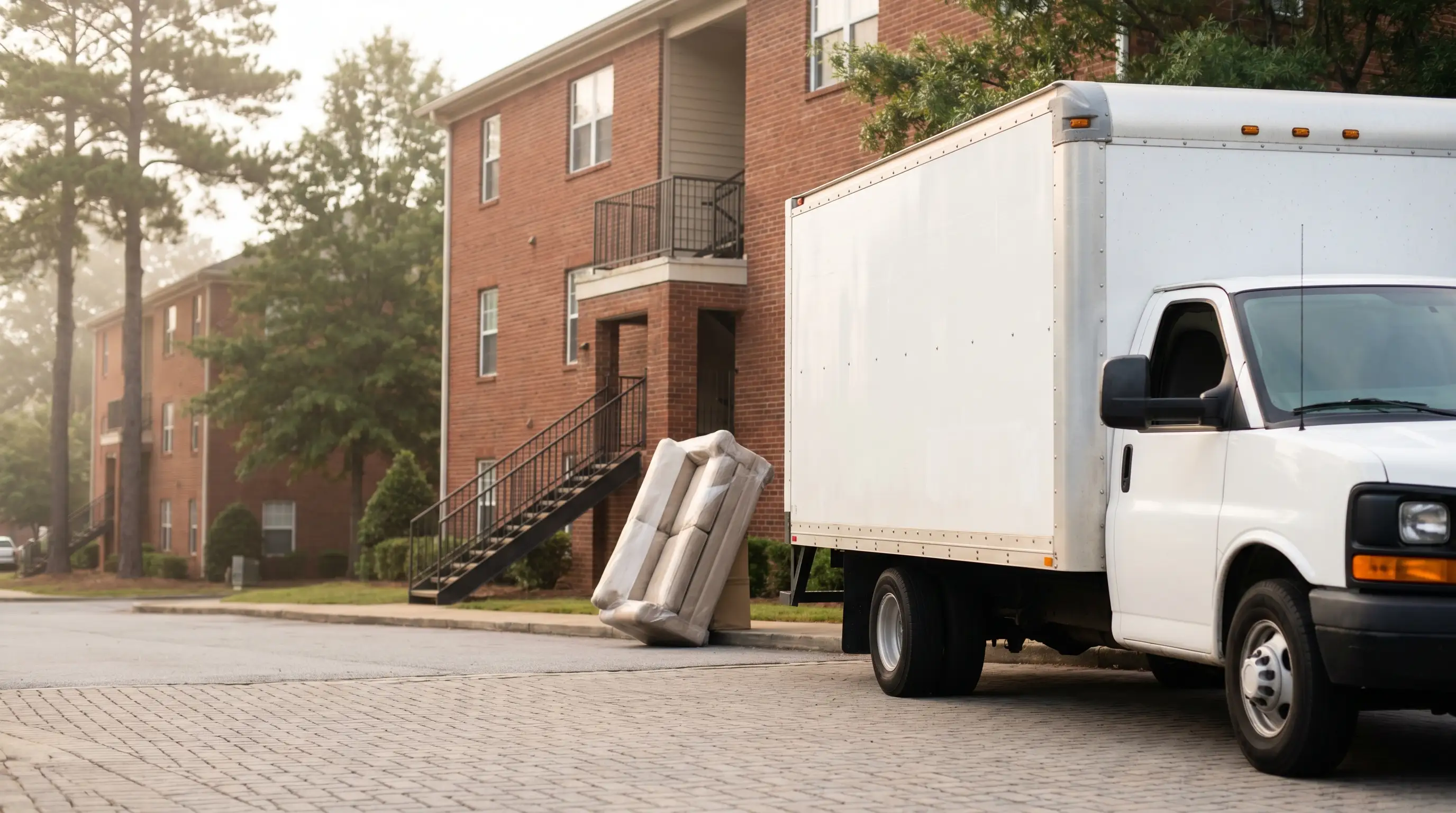
Finally, most campaigns ignore Auburn University's August move-in window entirely. When 6,103 new freshmen and returning students arrive in late July and early August, landlords scramble to resolve broken AC units before angry tenants arrive. This single-week window generates a demand spike that rivals a full month of normal search volume — and campaigns that aren't budget-elevated going into it miss the highest-intent moment of the entire year.
Building a High-Performance HVAC PPC Campaign in Auburn
Auburn's HVAC market rewards structural precision. A single undifferentiated "HVAC Auburn" campaign dilutes budget across incompatible intent signals. The right architecture separates three distinct campaign tracks — emergency repair, equipment replacement, and preventive maintenance — each with dedicated keywords, bidding logic, and landing pages.
Keyword Groups and CPC Ranges
- Emergency repair keywords ($28–$45 CPC): "AC repair Auburn AL," "air conditioning not working Auburn," "HVAC emergency Auburn," "AC broke down Auburn Alabama" — highest CVR (8–12%), highest urgency. Use call-only ads with a 24/7 phone number. Do not send these clicks to a generic homepage.
- Replacement and installation keywords ($22–$38 CPC): "AC unit replacement Auburn AL," "new HVAC system Auburn Alabama," "HVAC installation Auburn," "replace AC unit Auburn" — lower urgency, higher ticket ($4,000–$8,000+). Landing pages should emphasize financing, warranty, and brand selection.
- Maintenance and tune-up keywords ($12–$22 CPC): "HVAC tune-up Auburn AL," "AC service Auburn Alabama," "furnace maintenance Auburn," "annual HVAC inspection Auburn" — high volume in March-May and October-November shoulder seasons. These build the recurring-service relationship that reduces churn.
- Landlord segment keywords ($15–$30 CPC): "HVAC repair rental property Auburn," "AC service landlord Auburn AL," "rental unit HVAC Auburn" — low search volume but extremely high LTV when converted. These leads often become multi-unit service contracts.
For bidding strategy, use Target CPA bidding on emergency repair campaigns once you've accumulated 30+ conversions — Auburn's concentrated summer demand provides enough data within 4-6 weeks to train the algorithm. Installation campaigns perform better with Target ROAS set to 400-600% once historical job values are in the account. Maintenance campaigns can run on maximized clicks with a CPC cap until data accumulates.
Ad copy in Auburn must reflect local seasonal reality. In June, the headline is "AC Emergency in Auburn? Same-Day Service." In October, it's "Auburn Heating System Check — Book Before the Cold Hits." Generic year-round copy doesn't convert at Auburn's peak-season CVR. Rotate 3-4 headline combinations per campaign and let Google's responsive search ad testing surface the winner.
Landing pages need two non-negotiable elements for Auburn's HVAC market: a visible Auburn phone number above the fold and a service-area map confirming coverage of Auburn, Opelika, and the surrounding Lee County neighborhoods. Auburn searchers distrust companies whose pages don't explicitly confirm they serve the city. A landing page that reads like it was designed for Birmingham will convert at half the rate of a page built for Auburn.
For ad extensions: use call extensions with a 24/7 emergency number, location extensions showing your Auburn address, and sitelink extensions to your most popular service pages ("Emergency AC Repair," "HVAC Replacement," "Tune-Up Specials"). Price extensions listing tune-up pricing ($89-$149) reduce unqualified calls and improve lead quality.
Google Partner Agency
We're a certified Google Partner Agency, which means we don’t guess — we optimize withGoogle’s full toolkit and insider support.
Your campaigns get pro-level execution, backed by real expertise (not theory).

What Market Trends Should Auburn HVAC Businesses Know?
Auburn is one of the fastest-growing cities in Alabama — a 25.8% population surge from 2019 to 2024. That growth rate translates directly into HVAC opportunity: new homeowners entering the market, new construction requiring first-time system setup, and a wave of recent buyers discovering maintenance issues in homes they just purchased. The 1,050 residential sales recorded in 2024 alone — a 17.3% jump from 2023 — represent a steady pipeline of HVAC inspection and replacement jobs driven purely by real estate activity.
The August Effect: Auburn University's Move-In Window
No single driver shapes Auburn's HVAC market like Auburn University's academic calendar. The fall move-in period in late July and early August concentrates demand in a way that no other comparable-sized city replicates. When 34,145 students — including a record 6,103 freshmen in 2024-25 — return to campus and off-campus housing, landlords with broken AC units face emergency-level pressure. Tenants arriving to a 91°F apartment demand immediate resolution. This window also brings parents driving from across the Southeast, many of whom notice that the student apartment's ancient window unit is failing and call for a professional assessment.
The tactical insight: HVAC companies that run elevated budgets the first two weeks of August consistently report their highest-volume weeks of the entire year. Budget the August peak as aggressively as the July heat peak — they're equally productive for different reasons.
The Homeowner Pipeline and Energy Efficiency Demand
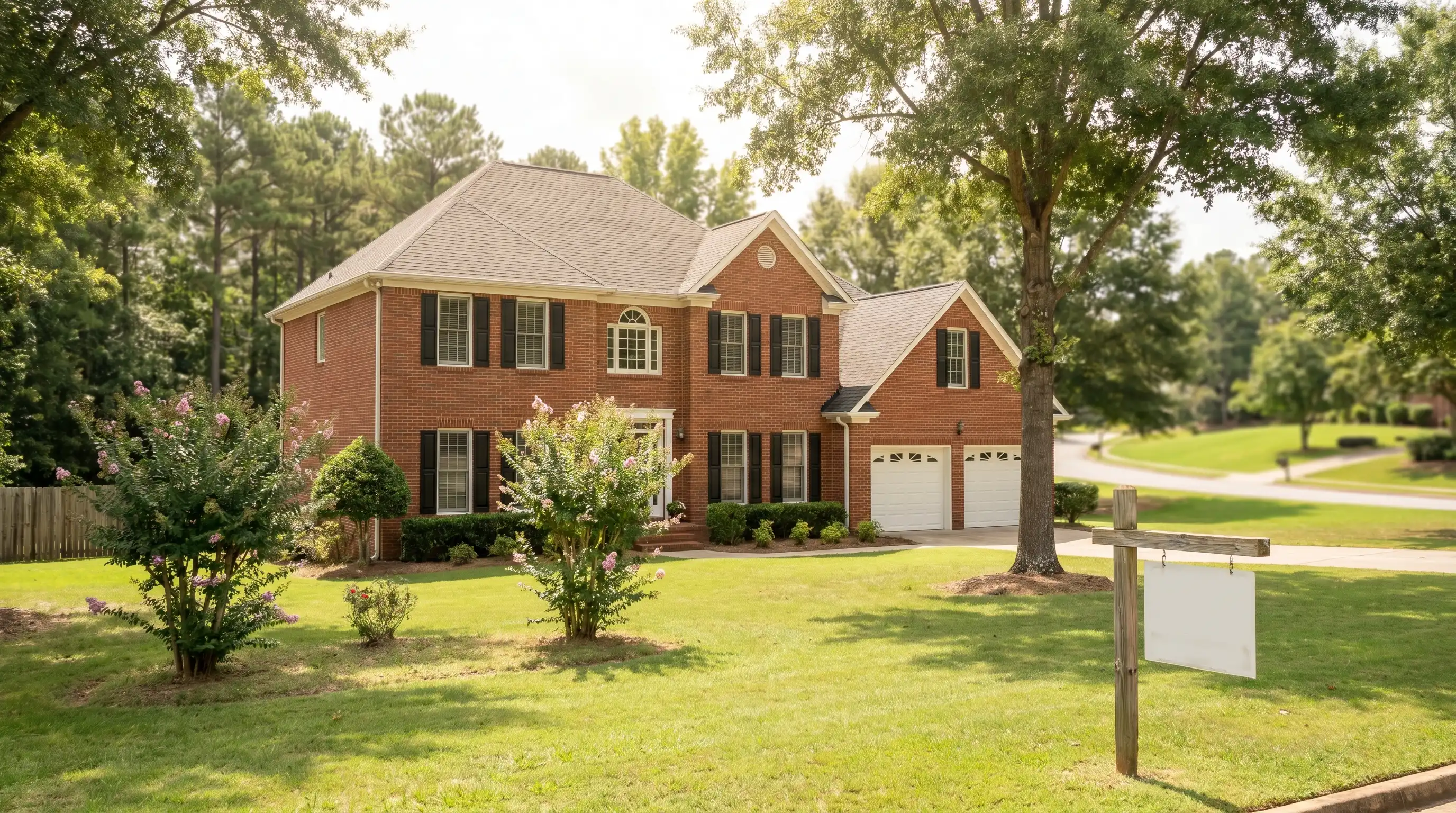
Auburn's median home value reached $392,900 in 2024, up sharply as the market tightened. Homeowners with this level of equity invest in system upgrades — not just repairs. The energy efficiency trend is particularly pronounced in Auburn's young professional demographic (median age 25.9). Buyers who moved from university towns to first homes are accustomed to calculating costs and often respond to energy savings messaging more than brand prestige. Competitors like Sensigreen have positioned around efficiency — a growing keyword category worth tracking with terms like "energy-efficient AC Auburn" and "smart thermostat installation Auburn."
The 47.7% renter base creates a parallel landlord market where preventive maintenance contracts deliver exceptional ROI. A landlord managing 3-5 Auburn units is worth $1,500-$3,000 per year in recurring service revenue. Campaigns targeting this audience with landlord-specific ad copy ("Multi-Unit HVAC Service Plans for Auburn Landlords") capture high-LTV clients that most competitors ignore entirely.
Auburn's humidity is also a hidden driver: average summer dewpoints of 68°F accelerate filter fouling, coil corrosion, and drainage pan buildup significantly faster than drier climates. This means even newer systems require more frequent service visits — a market dynamic that supports quarterly tune-up programs priced at $149-$299/visit.
Recommended seasonal budget calendar for Auburn HVAC PPC:
- June–September (peak cooling season): $3,000–$4,500/month — emergency repair and installation keywords dominate
- March–May (pre-summer shoulder): $1,500–$2,500/month — maintenance tune-up and new homeowner campaigns
- October–November (heating prep): $1,200–$2,000/month — furnace check and heating installation keywords
- December–February (off-peak): $800–$1,200/month — maintain brand visibility at minimum spend
Why Local HVAC PPC Expertise Wins in Auburn
Auburn's HVAC market rewards campaigns built around the city's specific rhythms — the August move-in surge, the Dixie Alley storm seasons, the landlord-renter split, and the homeowner equity wave driving system upgrades. Generic PPC campaigns designed for Birmingham or Montgomery fail in Auburn because they miss these local signals entirely.
MB Adv Agency runs Auburn-specific PPC campaigns built on actual Lee County market data — not regional averages that smooth out the city's unique demand peaks. Our lead generation approach segments your campaigns by service type, season, and audience persona so your budget concentrates where Auburn's HVAC demand actually converts.
The HVAC companies winning Auburn's PPC market right now aren't necessarily the largest or the oldest — they're the ones who understand that August 1-14 is worth more than all of January and February combined and budget accordingly. That calendar discipline, combined with keyword architecture that separates emergency intent from installation research, is what separates a campaign that generates 8 leads per month from one generating 22.
Our pricing starts at $497/month for businesses with under $3K in ad spend. See our PPC pricing page for full tier details and what each plan includes for HVAC clients in competitive Alabama markets. We don't lock clients into long-term contracts — results are the retention mechanism.
Frequently Asked Questions
How Much Should I Budget for HVAC Google Ads in Auburn, AL?
Auburn HVAC businesses should plan for a starter budget of $1,500–$2,000 per month in baseline periods (October through May) and $3,000–$4,500 per month during the June–September peak cooling season. At these spend levels, with a blended CPC of $18–$40 depending on keyword type, you can generate 12–22 qualified leads per month. Emergency repair keywords convert at 8–12% — even at $40 CPC, a single repair call generates $300–$600 in revenue, making the math strongly positive from the first call. Installation keywords ($22–$38 CPC) have a lower conversion rate of 3–6% but produce $4,000–$8,000+ ticket values that make the lead cost irrelevant relative to job revenue. The right budget allocation is roughly 50% to emergency repair, 30% to installation, and 20% to maintenance keywords — rebalanced seasonally so maintenance campaigns take priority in October-November and emergency repair dominates June-August. Auburn's smaller competitive landscape vs. Birmingham means your budget buys 15–25% more impressions at equivalent spend.
Beyond the monthly baseline, build in a storm response reserve of $1,500–$2,000 that you're prepared to activate within 48 hours of a major weather event. Alabama's Dixie Alley storm seasons (March-May and September-November) generate temporary spikes in roofing and HVAC emergency searches. Companies that surge their HVAC budgets immediately post-storm capture emergency calls at a moment when competitors are still reacting.
For new campaigns with no historical data, expect a 90-day learning period before Google's Smart Bidding algorithms reach stable performance. Month one will be your least efficient — budget at the lower end, gather conversion data, and ramp in month two when the algorithm has enough signal to optimize. By month three, Target CPA bidding on emergency keywords should produce leads at $65–$95 each, well within profitable territory for any HVAC company with average ticket values above $350.
When Is the Best Time of Year to Run HVAC PPC in Auburn, AL?
Auburn HVAC demand peaks in three distinct windows that should shape your entire campaign calendar. The primary peak runs June through September — Alabama's brutal summer when AC emergencies dominate, keywords like "AC repair Auburn AL" surge in impression volume, and conversion rates hit 8–12% on emergency search terms. The secondary peaks are March–May, the pre-summer tune-up season when homeowners prepare for summer and landlords service rental units before student move-in, and October–November, the heating prep window before Alabama's mild but real winters. December through February is the true off-peak — budgets can drop to $800–$1,200/month to maintain brand visibility without overspending in a demand trough. One Auburn-specific date to circle on your campaign calendar: the first two weeks of August, when Auburn University's 34,145 students return to campus. Landlords scramble to fix broken AC units before tenants arrive, and families helping with move-in discover failing equipment — this window rivals a full month of normal search volume and should be budget-elevated regardless of where it falls in your seasonal plan.
The campaign structure should reflect this seasonality at the ad group level. Don't just adjust budgets — adjust keyword emphasis and ad copy by season. In summer, emergency repair headlines dominate. In spring and fall, tune-up and inspection headlines take priority. In winter, maintenance contract messaging and heating-specific keywords ("furnace repair Auburn," "heating system Auburn AL") keep your visibility without inflating emergency repair spend in a low-conversion period.
One underexploited seasonal window is December's winter break. When Auburn University students depart for the holiday, landlords often use the vacancy window to service units before January. A targeted "rental unit HVAC service Auburn" campaign in December consistently produces landlord leads with very low CPCs — often $12–$18 — because competitors have throttled their budgets for the holiday. The ROI on this window is disproportionate to its size.