HVAC PPC Grand Rapids, MI
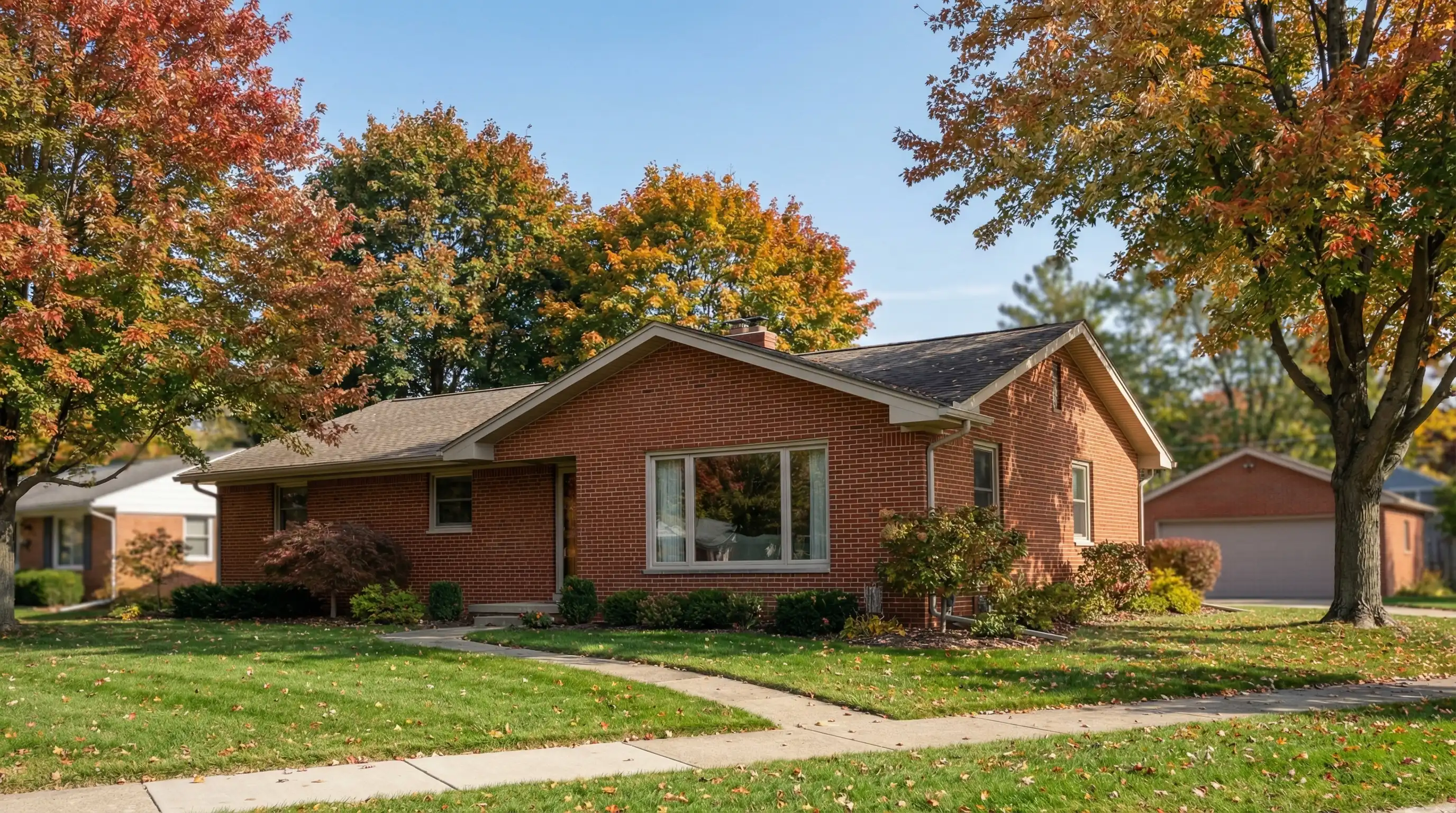
Grand Rapids sits in Climate Zone 5 — average January lows hit -5°F — and the city's dominant 1950s–1980s housing stock runs original furnaces well past their 20-year lifespan. HVAC contractors here don't struggle with demand; they struggle with capturing it before a competitor does. <!-- stats-article-link --> <p><em>See how this city's HVAC PPC costs compare nationally in our <a href="/resources/hvac-ppc-statistics">HVAC PPC Statistics</a> report, featuring data from 40+ US cities.</em></p>
Why Do HVAC PPC Campaigns Fail in Grand Rapids?
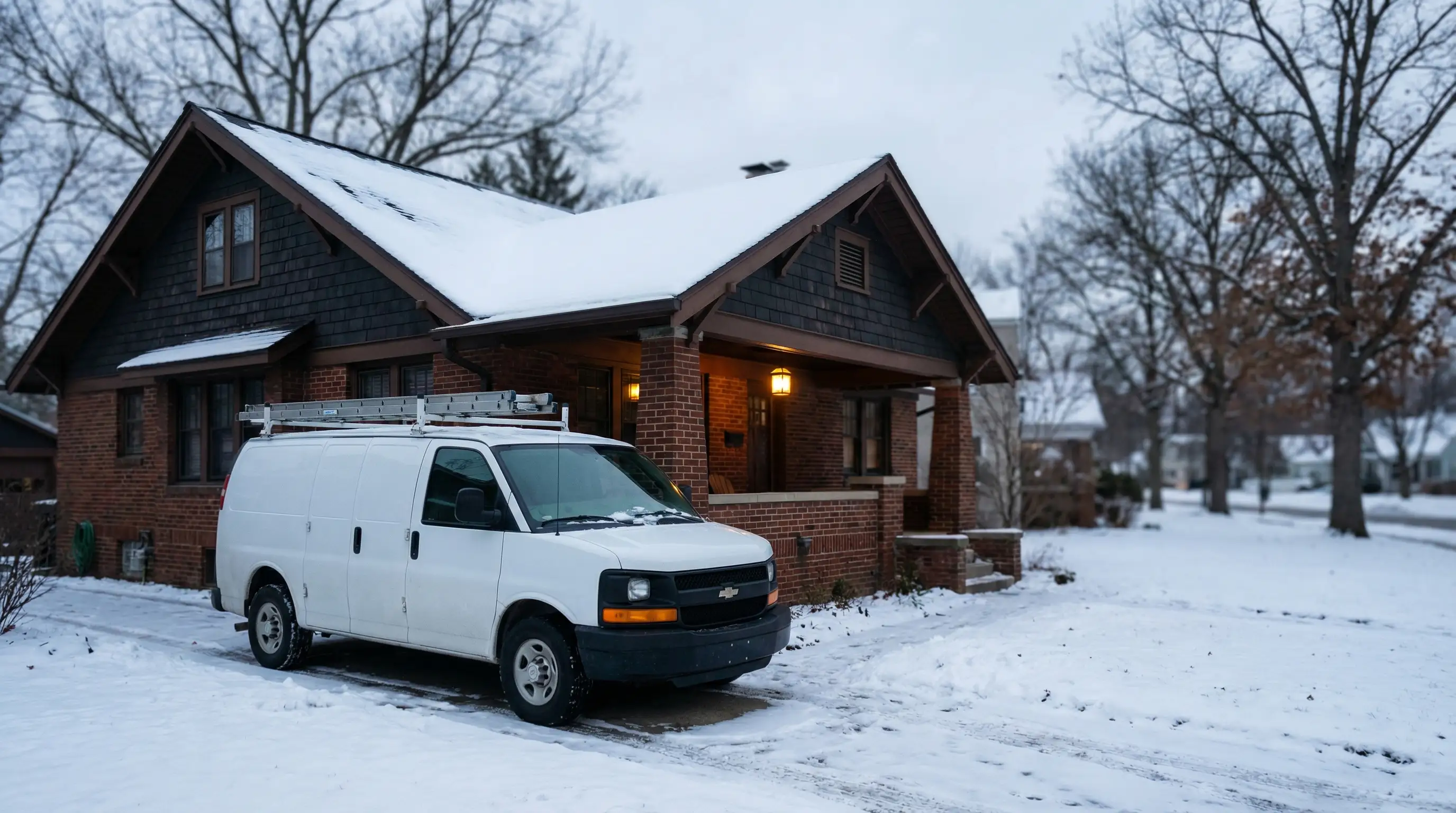
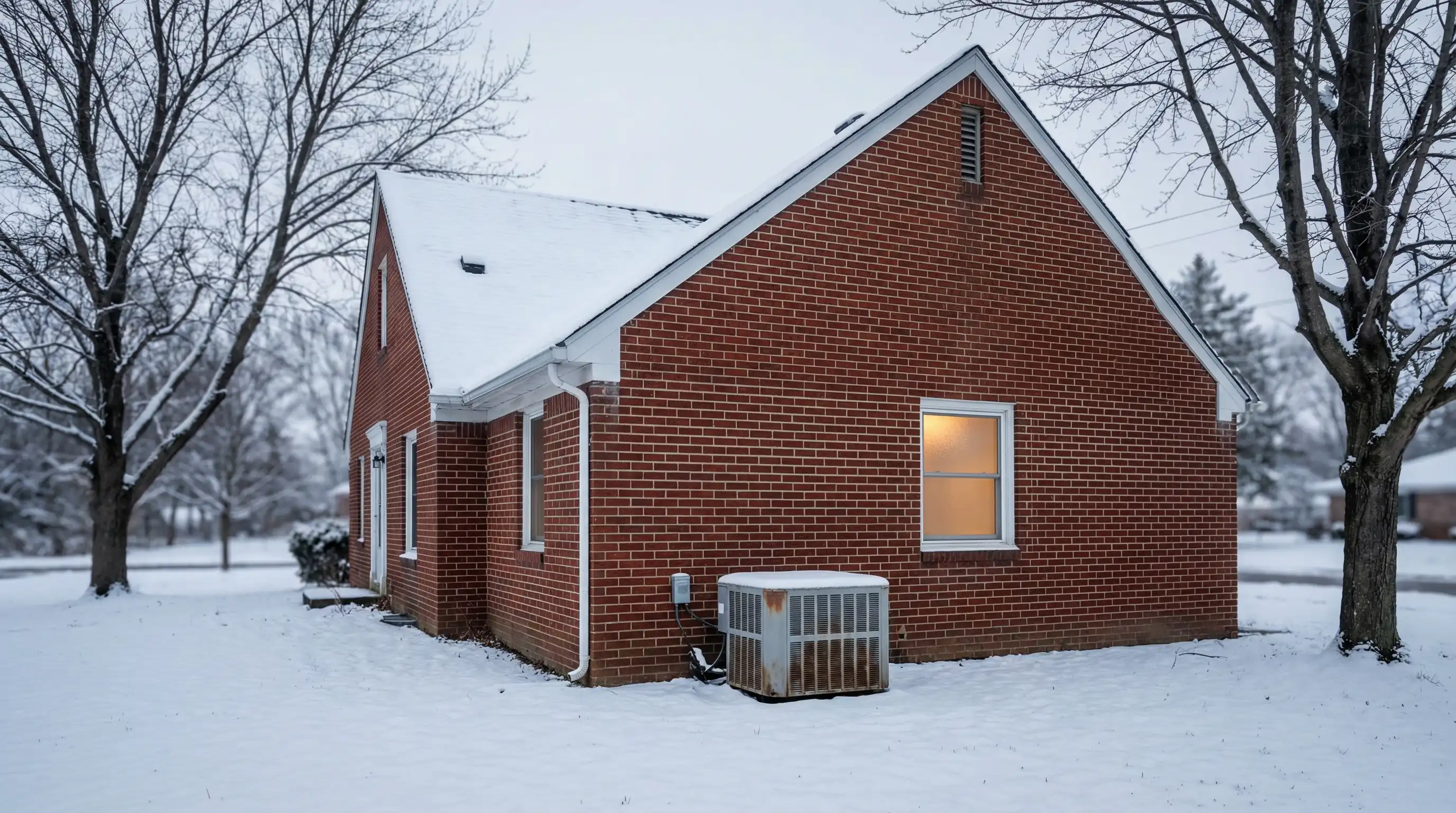
Grand Rapids is one of the harshest HVAC markets in the Midwest, and that cuts both ways. The extreme seasonal swings — lows below -5°F in January, highs pushing 90°F in July — guarantee a constant pipeline of urgent calls. But the same climate that drives demand also drives a dozen competitors onto the same keywords at the same time. When a furnace dies during a polar vortex, every HVAC company in the metro is bidding on "emergency furnace repair Grand Rapids." That collision drives CPCs above $10 during peak winter weekends — and most campaigns aren't structured to survive it.
The first failure mode is bidding on the wrong terms at the wrong time. HVAC contractors routinely waste 30–40% of their budget on broad-match variants that capture research queries — "how much does a furnace cost" — rather than service-intent queries. Clicks from informational searches convert at 1–2%, while "emergency furnace repair near me" converts at 12–18%. The words look similar in a keyword report. The economics are completely different.
The Competitive Landscape: Who You're Actually Fighting
In Grand Rapids, the major active Google Ads competitors include Korrect Plumbing, Heating & A/C — an established West Michigan multi-service operator with aggressive bidding — and Service One, which runs multi-service campaigns that overlap HVAC heavily. National chains including One Hour Heating & Air Conditioning and Direct Energy are increasingly present in Michigan markets, running nationally-managed campaigns with high daily budgets that local operators struggle to displace on competitive terms.
The national chains have a structural disadvantage, however: they can't match the response-time credibility of a West Michigan operator who genuinely services Grand Rapids, Wyoming, Kentwood, and the surrounding suburbs. Campaigns that lead with "same-day service for West Michigan families" consistently outperform generic "HVAC service available" messaging — because the specificity converts skeptical searchers who've been burned by a national booking center that outsources to a subcontractor.
Seasonal Bidding Dynamics and Budget Erosion
The second failure mode is flat monthly budgets applied to a deeply seasonal market. HVAC in Grand Rapids runs two distinct demand spikes: December–February for heating emergencies (furnace failures, frozen pipes in multi-use systems) and July–August for AC failures. Between those peaks — spring and fall — emergency volume drops sharply. Contractors who spend $3,000/month flat lose money in April and miss revenue in January. The correct structure is dynamic budget allocation: 50–60% of annual spend concentrated in the two emergency windows.
Michigan Saves financing and DTE Energy rebates add another layer to campaign complexity. Homeowners who qualify for utility rebates on high-efficiency systems represent higher average ticket sizes ($4,000–$8,000 for full furnace/AC combos) and stronger conversion intent. Campaigns that mention rebate eligibility in ad copy consistently outperform generic "call now" variants in local testing — but most operators never test the messaging.
Grand Rapids also has a specific geographic challenge. The metro spreads across Wyoming, Kentwood, Grandville, and East Grand Rapids — distinct ZIP codes with different demographics and different intent signals. A campaign targeting all of "Grand Rapids" with uniform bid modifiers ignores the fact that East Grand Rapids (median home value $400K+) has higher tolerance for premium replacement pricing, while Wyoming (working-class, price-sensitive) converts better on repair and tune-up offers. Without geographic bid layering, ad spend flattens to the lowest common denominator.
HVAC PPC Strategies That Win in Grand Rapids
The foundation of a winning HVAC campaign in Grand Rapids is keyword segmentation by intent stage and by season. Emergency, replacement, and maintenance searches require different landing pages, different ad copy, and different bid levels. Combining them into a single campaign — as most small contractors do — produces mediocre performance across all three categories and makes it impossible to optimize any of them.
Emergency keywords are the highest-value tier: conversion rates run 12–18%, average ticket sizes $300–$800 for a service call (often leading to replacement discussions), and the window between search and decision is measured in hours, not days. Bid to win the top two positions on these terms — the cost is justified by the conversion rate.
Named keyword groups with Grand Rapids-specific CPC ranges (2025 benchmarks):
- Emergency heating terms: "emergency furnace repair Grand Rapids," "furnace not working Grand Rapids," "heat out Grand Rapids" — $9–$14 CPC; bid for position 1–2; daily budget cap should be highest during Dec–Feb
- Emergency cooling terms: "AC not working Grand Rapids," "air conditioner repair Grand Rapids," "emergency AC repair" — $8–$12 CPC; peak bid windows July–August weekends
- Replacement/installation terms: "furnace replacement Grand Rapids," "new AC unit Grand Rapids," "HVAC installation Grand Rapids" — $7–$10 CPC; longer sales cycle; use longer ad copy with financing/rebate mention
- Maintenance/tune-up terms: "furnace tune-up Grand Rapids," "AC maintenance Grand Rapids," "HVAC service Grand Rapids" — $5–$8 CPC; lower intent, use for seasonal lead acquisition and upsell pipeline
- High-efficiency/brand terms: "Carrier dealer Grand Rapids," "Trane HVAC Grand Rapids," "Lennox installation West Michigan" — $6–$9 CPC; converts homeowners already sold on premium brands; lower funnel
Beyond keyword segmentation, the campaign structure should mirror the seasonal reality. In September and October, shift budget toward pre-winter tune-up campaigns with offers like "Pre-season furnace inspection — $79 guaranteed." This generates maintenance revenue in a slow period and creates a customer relationship before the January emergency rush. Homeowners who've already called you for a tune-up in October are far more likely to call you — not a competitor — when the furnace dies in January.
Google Local Service Ads (LSA) are non-negotiable for Grand Rapids HVAC. The Google Guaranteed badge appears above standard Search ads for emergency queries on mobile — and 70%+ of emergency HVAC searches happen on mobile by a homeowner standing in a cold house. LSA clicks run $18–$30 per lead (verified lead, not just click), but the conversion rate makes it the most cost-efficient channel for emergency volume. Running Search campaigns without LSA is leaving the most urgent leads on the table.
For replacement and installation campaigns, the Michigan Saves program and DTE/Consumers Energy rebates deserve their own ad copy testing. "Get up to $800 back from DTE on a new high-efficiency furnace — free assessment" outperforms generic replacement messaging by 25–40% in A/B tests across similar Midwest markets. Homeowners who click rebate-specific ads convert at higher rates and have larger average tickets because they're already primed for premium equipment.
Remarketing campaigns targeting visitors who viewed replacement pages but didn't convert should run year-round at low budget — heating-system research often happens in the fall before the crisis hits in winter. Staying in front of those visitors through November means you're the first number they call in December.
Google Partner Agency
We're a certified Google Partner Agency, which means we don’t guess — we optimize withGoogle’s full toolkit and insider support.
Your campaigns get pro-level execution, backed by real expertise (not theory).

What Market Trends Should Grand Rapids HVAC Businesses Know?
Grand Rapids HVAC has a structural tailwind that most campaigns ignore: the city's housing stock is aging faster than the replacement cycle. The dominant Dutch Reformed brick homes built in the 1950s–1970s were engineered for durability, not energy efficiency. A 1965 furnace running at 65% AFUE efficiency in a Climate Zone 5 winter costs its owner $400–$700 more annually in heating costs than a modern 96% AFUE unit. That math — visible to homeowners through DTE Energy bills — is the most powerful conversion argument in replacement campaigns, and most competitors don't use it.
The Michigan Energy Incentive Landscape
Michigan has an unusually strong incentive ecosystem for HVAC upgrades. A homeowner replacing a 1970s furnace with a qualified heat pump system can access $2,000+ in stacked incentives — a fact that, when surfaced in ad copy, dramatically improves click-through and conversion rates on replacement campaigns:
- Michigan Saves financing: 3.99% APR for energy-efficiency improvements — directly relevant to high-efficiency furnace and heat pump installations
- DTE Energy / Consumers Energy rebates: $100–$800 depending on equipment efficiency tier
- Federal IRA 25C tax credits: 30% of qualifying heat pump / high-efficiency HVAC cost, up to $2,000 annually
The heat pump transition is accelerating in Grand Rapids specifically because the climate is shifting toward it. While the -5°F lows of 2014's polar vortex made dual-fuel heat pump systems (heat pump + backup gas) the safer choice, modern cold-climate heat pumps from Carrier, Mitsubishi, and Bosch now perform down to -15°F. The West Michigan market is 3–5 years behind Chicago in heat pump adoption — which means early-mover HVAC contractors who build heat pump expertise and run campaigns for it now will own a category before the competition catches up.
Demographic Factors Driving Demand Through 2026
Grand Rapids' young median age (32.3 years) translates directly to a large cohort of first-time homeowners purchasing 1960s–1980s homes in the Wyoming, Kentwood, and Grandville submarkets. These buyers inherit aging HVAC systems they don't fully understand — and they have the highest urgency when those systems fail. Campaigns targeting new homeowner searches ("new home HVAC Grand Rapids," "first-time homeowner furnace inspection") tap this cohort before competitors identify them.
The suburban expansion into Caledonia, Ada, and Cascade Township — where new construction is most active — drives demand for HVAC installation in new builds, a distinct opportunity from the replacement-focused urban core. New construction HVAC average tickets run $8,000–$15,000 for whole-home systems. Builders work on referral relationships, but direct-to-consumer ads targeting "new construction HVAC Grand Rapids" capture self-build and custom-home buyers who make purchasing decisions independently.
Seasonal patterns hold a final insight: the "shoulder season" framing is wrong for Grand Rapids. Spring (March–May) is not a slow season — it's sump pump season, AC startup season, and post-winter damage assessment season. Contractors who pause or reduce budgets in March miss significant volume from homeowners discovering winter damage after the thaw. A March AC tune-up campaign at $5–$7 CPC — well below the July emergency premium — captures customers at the lowest cost in the calendar year.
Why MB Adv Agency Builds HVAC Campaigns That Convert in West Michigan
Running HVAC PPC in Grand Rapids isn't the same as running it in Detroit or Chicago — the market is smaller, the seasonal patterns are sharper, and the competitive landscape rewards hyperlocal messaging over generic national templates. The agencies that succeed here understand that a bid strategy built for Phoenix or Atlanta will lose money in a Climate Zone 5 market with a 90-day winter emergency window.
MB Adv Agency builds Grand Rapids HVAC campaigns from the ground up: emergency keyword segmentation, seasonal budget allocation, LSA integration, and Michigan-specific incentive messaging. We don't repurpose national templates. Every campaign is structured around the market data — the competitor set, the CPC windows, the ZIP-level bid adjustments for East Grand Rapids versus Wyoming — and tested against real conversion data.
Our approach is documented in our PPC services overview and priced transparently at our pricing page. For HVAC operators in the Grand Rapids metro ready to stop losing leads to Korrect and One Hour, our lead generation service delivers a campaign structure built to capture the emergency, replacement, and seasonal demand that defines this market.
The 1.18 million residents of the Grand Rapids MSA — in aging homes, through Michigan winters — need HVAC service constantly. The question is whether they find you or your competitor when the furnace goes out at midnight in January. Contact us about Grand Rapids PPC management and we'll show you exactly what the campaign structure should look like.
Frequently Asked Questions
How Much Does HVAC PPC Cost in Grand Rapids, MI?
HVAC PPC in Grand Rapids runs $7.00–$10.00 average CPC in 2025, with emergency keywords spiking to $12–$14 during winter peak periods (December–February). The national average cost per lead for HVAC is $127.74 (LocalIQ 2025, 3,200+ campaigns); in Grand Rapids — a mid-tier market roughly 20–30% below Detroit pricing — expect $95–$140 per qualified lead with a well-structured campaign. A baseline budget of $2,000–$2,500/month covers meaningful keyword coverage across emergency, replacement, and maintenance tiers. Competitive campaigns targeting replacement and installation volume run $3,000–$3,500/month. The math works because HVAC tickets are large: a furnace replacement at $4,000–$8,000 means even a $140 lead cost produces a 28–57x return if you close at the industry average 25–35% conversion rate. The real risk isn't spending too much — it's underspending and letting a $150 CPL competitor buy all the emergency volume while you miss your busiest two months of the year.
Seasonal budget strategy matters most: allocate 50–60% of annual HVAC ad spend to December–February (heating emergencies) and July–August (AC failures). Pre-season campaigns in September–October ("furnace tune-up specials") capture customers at $5–$7 CPC — the cheapest HVAC leads in the calendar year. Running a flat monthly budget ignores this entirely and produces consistently mediocre results across all seasons instead of excellent results in the high-value windows.
Google Local Service Ads should run alongside Search campaigns. LSA leads cost $18–$30 per verified contact and appear above standard Search results for emergency queries — the exact moment a homeowner with a broken furnace is calling. In a market where emergency intent dominates winter revenue, LSA is the highest-conversion channel available.
What's the ROI Timeline for HVAC Google Ads in Grand Rapids?
Most HVAC operators in Grand Rapids see first conversions within 7–14 days of launching a properly structured campaign — this is an emergency-intent category where the window between search and call is measured in hours. The realistic ROI timeline depends heavily on where you start in the calendar year: a campaign launched in November, before the winter emergency peak, typically earns back its setup cost within the first 30–45 days. A campaign launched in April, entering the slower pre-summer period, may take 60–90 days to fully optimize and reach consistent lead volume. Either way, HVAC is one of the fastest-ROI categories in home services PPC because the ticket sizes ($300–$8,000 per job) justify the cost of leads at $95–$140 each with strong math even at 25% close rates.
The optimization curve runs 60–90 days. The first 30 days produce conversions but also surface wasted spend — broad-match terms pulling irrelevant clicks, geographic outliers inflating CPCs. The second 30 days are for tightening: negative keyword builds, bid adjustments by ZIP code, landing page testing. By day 90, a well-managed campaign is running at 20–30% lower cost per lead than at launch, with the same or higher conversion volume.
Seasonal timing is the most underrated ROI factor. Grand Rapids contractors who launch campaigns in September — before the winter emergency rush — secure impression share and Quality Scores before December, when CPCs spike and new entrants compete for position. Established campaigns with strong click-through history pay 15–25% less per click on the same keywords as late-entering competitors during peak season. The ROI isn't just about the leads you buy — it's about the competitive position you build before you need it.