HVAC PPC Plano, TX
Plano's HVAC market runs on urgency — when temperatures hit 105°F and a system fails, homeowners search, click, and call within minutes. With homes valued at $465,000–$560,000 and a median household income of $112,253, every replacement job in this market is worth $10,000–$15,000. The question isn't whether Plano homeowners will spend — it's whether your Google Ads campaign captures them before Berkeys or GO Heating does. <!-- stats-article-link --> <p><em>See how this city's Hvac PPC costs compare nationally in our <a href="/resources/hvac-ppc-statistics">Hvac PPC Statistics</a> report, featuring data from 40+ US cities.</em></p>
Running HVAC Google Ads in Plano is not the same as running them in most Texas cities. The market has a distinct pressure profile: high property values, high homeowner income, and a summer heat cycle that makes air conditioning a genuine public health concern — not a comfort upgrade. When Collin County hits its peak stretch of 100°F+ days in July and August, the failure of a central AC unit is a same-day emergency. Homeowners don't comparison shop. They search, click, and call the first credible result. If your campaign isn't structured for that moment, you're not competitive.
The Competition Density Problem
Expertise.com reviewed 80 HVAC providers serving Plano and named 20 top picks. Behind those 20 are an estimated 150–250 active licensed HVAC contractors in the Plano and Collin County area. The upper tier is formidable: Berkeys Air Conditioning, Plumbing & Electrical (founded 1975, Southlake HQ, heavy digital advertiser), GO Heating, Air & Plumbing (Plano HQ since 2006), and Total Air & Heat (Plano-based since 1957, Trane Comfort Specialist). These companies have programmatic bid strategies, review velocity, and brand recognition built over decades. An SMB entering this market without a precision PPC strategy will lose money competing against them on broad terms.
The core mistake most Plano HVAC operators make is treating Google Ads as a broadcast channel: broad match keywords, a generic landing page, no call tracking, no bid adjustment by time of day. The result is clicks from people researching HVAC costs three months before they need service — not the homeowner whose unit stopped working at 2pm on a Tuesday in August. Emergency intent keywords ("AC not working Plano", "same day AC repair Plano TX") cost $45–$75/click, but they close at rates of 15–25% because the buyer has no option but to act. Budget misallocated to informational queries costs the same per click but converts at 1–3%.
Why Plano's Market Requires a Higher Bid Ceiling
The economics of Plano HVAC are dramatically different from the DFW average. In most suburban markets, a system replacement averages $5,000–$8,000. In Plano, where median homes are worth $465,000–$560,000 and the buyer profile includes corporate executives, Toyota employees, and Capital One officers, system replacements average $7,000–$15,000. Premium homes run premium systems: two-zone, high-efficiency, smart-thermostat integrated. Homeowners in this income bracket (median HHI $112,253) are not price-shopping between you and the cheapest operator — they are choosing between Berkeys and the next credible alternative.
This means the LTV math favors aggressive PPC investment. A single emergency call that converts to a system replacement is worth $10,000–$15,000. Add a maintenance contract at $200–$450/year and you're looking at a 5-year LTV of $11,000–$17,250 from one acquired customer. At that revenue per customer, a $350/lead CAC (achievable with a well-structured campaign) delivers 30:1+ ROI. Most HVAC operators in Plano aren't running this calculation — they're capping bids at $20/click and leaving the emergency-intent traffic to competitors with no ceiling.
Collin County's housing stock compounds the opportunity. The bulk of Plano's residential neighborhoods were built between 1980 and 2005. A home built in 1995 is now 30 years old — right at the end of the 15–20-year central HVAC system lifecycle. Replacement demand is structurally elevated and will remain so for the next 10–15 years as that housing cohort ages through its second and third system cycle. This is not a seasonal market: it's a sustained replacement wave running underneath the seasonal emergency cycle.
Finally, Plano's corporate campus presence (Toyota North America, Capital One, Ericsson) means light commercial HVAC is an adjacent market many residential contractors miss entirely. Office parks, satellite offices, and the dozens of SMBs supporting those campuses all have commercial HVAC systems in need of maintenance, repair, and replacement. A residential contractor with a Google Ads campaign that captures "commercial HVAC Plano TX" from this ecosystem is opening a significant incremental revenue channel.
The winning HVAC PPC strategy in Plano is built around three distinct intent layers — each requiring separate campaign structure, separate bids, and separate landing pages. Collapsing them into a single campaign means the algorithm optimizes for the average, which in practice means it under-bids on emergency traffic and over-spends on low-intent research queries.
Intent-Segmented Campaign Architecture
Layer 1 — Emergency Response Campaigns capture the highest-urgency, highest-converting traffic in the market. These keywords cost $45–$75/click but close at 15–25%:
- Emergency repair keywords: "AC not working Plano TX," "AC stopped working Plano," "emergency AC repair Plano" — $45–$75/click
- Same-day service keywords: "same day AC repair Plano TX," "AC repair today Plano," "24 hour AC repair Plano" — $35–$65/click
- Urgent symptom keywords: "AC blowing hot air Plano," "AC unit not cooling Plano TX," "air conditioner stopped working" — $30–$55/click
Layer 2 — Replacement Intent Campaigns capture homeowners in active buying mode. These convert more slowly (days, not hours) but at higher ticket sizes:
- Replacement keywords: "AC replacement Plano TX," "new HVAC system Plano," "HVAC installation Plano TX" — $28–$50/click
- Brand + size keywords: "Trane AC Plano TX," "Carrier HVAC Plano," "2-ton AC unit Plano" — $22–$40/click
- Financing-trigger keywords: "AC financing Plano TX," "HVAC payment plans Plano" — $20–$35/click
Layer 3 — Maintenance & General Service fills pipeline during shoulder seasons and builds LTV through annual contracts:
- Maintenance keywords: "HVAC tune up Plano TX," "AC maintenance Plano," "furnace tune up Plano" — $18–$32/click
- Seasonal prep keywords: "AC ready for summer Plano," "spring HVAC checkup Plano TX" — $15–$28/click
- Commercial light keywords: "commercial HVAC Plano TX," "office AC repair Plano" — $20–$38/click
Storm-Surge Activation Protocol
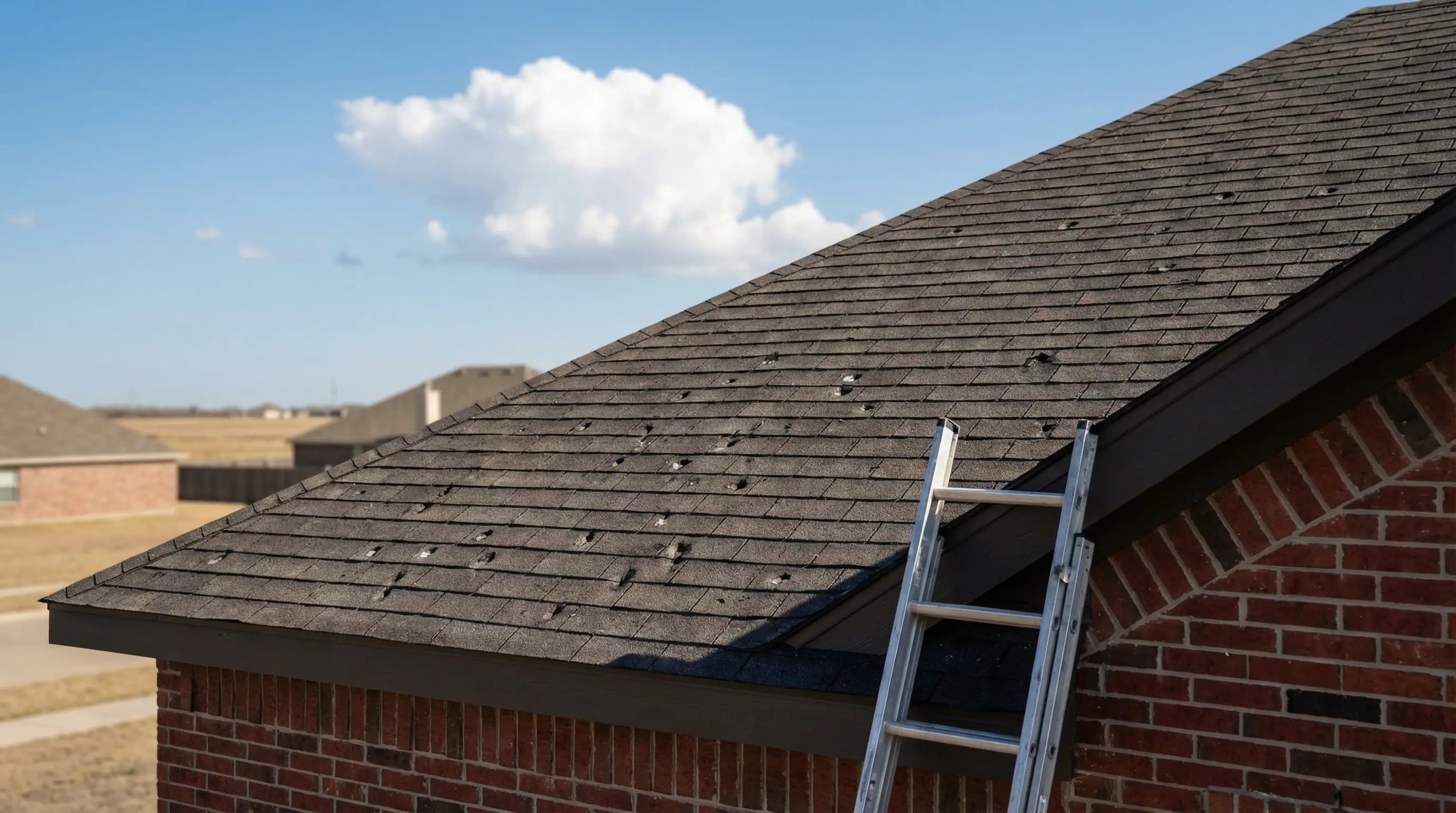
Collin County averages 3–5 significant hail and storm events per year. Each event triggers a secondary HVAC demand spike as outdoor condenser units sustain impact damage from hailstones. A well-run HVAC campaign should have a pre-built "surge activation" strategy: a set of storm-damage-specific ad groups (ready to activate within 2 hours of a NOAA hail report), a dedicated landing page ("Hail Damage to Your AC Unit? Call Now"), and bid automation that doubles Layer 1 budgets immediately post-storm. Operators who activate within 6 hours of a Collin County hail event capture 70–80% of storm-related HVAC leads before competitors respond.
Call tracking is non-negotiable in this market. Plano HVAC customers call — they don't fill out forms. A campaign without granular call tracking by ad group and keyword has no meaningful ROI visibility. Every Layer 1 and Layer 2 keyword group needs individual call tracking numbers to identify which specific searches generate booked jobs, not just calls.
Geographic bid modifiers should be set at zip-code level. West Plano (75093, 75024) has the highest property values and the highest LTV per customer — these zip codes warrant +25–40% bid adjustments. East Plano (75074, 75075) has older housing stock and higher repair frequency — maintain standard bids but separate ad sets. Budget allocation: 50% emergency, 30% replacement, 20% maintenance during peak season (May–September); invert to 20/30/50 during November–March to fill the pipeline with tune-up and furnace work.
Google Partner Agency
We're a certified Google Partner Agency, which means we don’t guess — we optimize withGoogle’s full toolkit and insider support.
Your campaigns get pro-level execution, backed by real expertise (not theory).

The single most underused targeting insight in Plano HVAC advertising is the age of the housing stock. The neighborhoods between West Spring Creek Pkwy and Parker Road — built primarily between 1985 and 2000 — contain the highest concentration of homes now entering their third decade. A central HVAC system installed in 1995 was already at end-of-life in 2015. Systems installed in 2005 are entering failure probability windows now. Plano's homeownership rate of 56.9% on homes with $465,000–$560,000 median values means the addressable replacement market is concentrated, identifiable, and financially qualified.
The February Freeze Opportunity
Every serious HVAC PPC operator in North Texas should have a dedicated winter preparedness and emergency response infrastructure in place by November 1. The February 2021 winter storm (URI) caused catastrophic heat pump and furnace failures across Collin County. Demand volume spiked 20–30x normal for two weeks. Operators who had surge campaigns ready captured unprecedented lead volume. Those who didn't had no way to respond — Google Ads campaigns take 24–48 hours to approve and launch from scratch.
The lesson: Plano HVAC is not just a summer business. November through February furnace and heat pump failure volume accounts for 25–35% of annual HVAC revenue in Collin County. Winter-specific campaigns targeting "furnace repair Plano TX," "heat pump not working Plano," and "emergency heating repair Plano TX" should be active by November 1 with pre-set surge budgets that auto-scale if search volume spikes — exactly the scenario that separates agencies with data-driven automation from those managing campaigns manually.
The foreign-born population insight is also relevant here. Plano's 29% foreign-born population (84,300 residents) — heavily concentrated in tech workers from India and East and Southeast Asia — represents an affluent, homeowning segment that often searches in English but responds strongly to culturally localized trust signals. Google Ads allow audience layering; serving HVAC ads to homeowners in 75075 (higher foreign-born concentration) with ad copy emphasizing licensed, certified, and manufacturer-authorized credentials addresses the trust threshold this audience prioritizes.
Key insight: Plano's "Goldilocks zone" for HVAC SMBs is the $4,000–$8,000/month PPC budget range. At $4,000, a campaign can own emergency Layer 1 traffic for most of the 75093 and 75024 zip codes with enough budget to capture replacement intent. Below $3,000, the budget forces constant trade-offs that compromise emergency coverage — the highest-converting traffic. Above $10,000, diminishing returns set in for a single-market operator. The sweet spot captures the highest-LTV segment without overextending into DFW-wide competition.
Seasonal budget allocation should mirror Texas weather patterns precisely: maximum budget May 1 through September 30 (peak AC demand); maintain 60% of peak budget October and April (shoulder season); minimum budget November through March unless a freeze event is forecast. This allocation prevents the common mistake of running flat monthly budgets that waste spend in January when HVAC search volume is at its annual low.
Plano is one of the highest-income suburban HVAC markets in Texas, and it requires a campaign strategy built specifically for affluent buyers — not a template adapted from a mid-market DFW city. MB Adv Agency's Plastic-Brick methodology is designed exactly for this market: eliminate broad-match waste, build intent-segmented campaigns, and activate surge protocols within hours of a storm event rather than days.
We've built HVAC campaigns in the DFW corridor that run on the same structural principles Plano demands: emergency intent isolation, zip-code-level bid modifiers, real-time storm activation, and call tracking granular enough to tell you which keyword group generated which booked job. The result is campaigns where every dollar traces directly to a closed service call or system replacement — not a click that bounced from a generic homepage.
For Plano HVAC operators, the math is compelling. At $10,000 average replacement LTV, a campaign generating 8–12 replacement leads per month at $300–$400/lead yields $80,000–$120,000 in potential revenue for $2,400–$4,800 in ad spend. That's a 25–50x return on ad spend — achievable only when the campaign is structured for replacement intent, not generic HVAC awareness.
If you're running Google Ads on a flat budget with no call tracking, no intent segmentation, and no surge activation protocol, you're leaving the most valuable leads in the Plano market to your best-funded competitor. See how we manage PPC campaigns in Plano or review our campaign management pricing. We offer a free account audit — no pitch, just data.
Frequently Asked Questions
What is a realistic Google Ads budget for an HVAC company in Plano, TX?
The realistic entry point for a competitive Plano HVAC campaign is $3,000–$4,000/month — and that assumes the budget is structured correctly, not spread across every keyword in the industry. At that level, a well-managed campaign can own emergency repair intent traffic in West Plano (75093, 75024) and capture replacement-intent traffic in the 30,000+ homeowner households in those zip codes.
The budget ceiling that most Plano SMB operators should target is $6,000–$8,000/month during peak season (May–September). At that spend level, a properly structured campaign covers all three intent layers (emergency, replacement, maintenance) with enough daily budget to maintain consistent top-of-page positioning throughout the summer heat cycle — including the 30-day stretch of 100°F+ highs where emergency search volume is highest. Dropping budget during peak demand is the most common and most costly mistake HVAC operators make.
For context: at $38/click average CPC (midpoint of the $22–$55 range for replacement intent), a $4,000/month budget delivers approximately 105 clicks. At a 5% CVR (conservative for a well-optimized campaign), that's roughly 5 replacement inquiries per month. At $10,000 average replacement LTV, 5 jobs represents $50,000 in revenue — a 12:1 return on ad spend. The math gets better at higher budgets because a larger daily budget captures the emergency spikes that convert at 15–25%, not the 5% baseline.
Seasonality matters. Run $6,000–$8,000/month May through September. Drop to $2,500–$3,500/month October through April but keep winter-specific campaigns live for furnace and heat pump emergencies. A flat monthly budget that ignores Texas seasonality leaves significant money on the table during peak demand and wastes budget during slow season.
How long does it take for HVAC Google Ads to show results in Plano?
A properly structured Plano HVAC campaign can generate inbound calls within the first 72 hours of launch — but the distinction between "results" and "optimized results" matters significantly. Day-one performance and 90-day performance are different categories.
In the first 30 days, the campaign is gathering conversion data: which keywords generate calls, which ad copy variants produce the highest CTR, which zip codes deliver the best lead quality. During this window, a competent PPC manager is making daily bid adjustments and eliminating negative keywords (the search terms that burn spend without converting). Most campaigns require 45–60 days to reach stable performance where the cost-per-lead is predictable and the conversion rate reflects true market demand rather than algorithm learning noise.
Emergency campaigns are the exception. Because emergency HVAC searches have extremely high buying intent — the homeowner is already committed to spending — emergency keyword campaigns often produce same-day calls from launch. A campaign targeting "AC not working Plano TX" launched on a 105°F day in July will receive calls the same afternoon. The challenge is that emergency keywords are the most expensive ($45–$75/click) and require aggressive daily budget allocation to maintain visibility throughout the peak hours (10am–4pm weekdays when service calls are most commonly booked).
A realistic timeline for a new Plano HVAC account: first calls in week one, cost-per-lead optimization complete by week six, full ROI visibility (including which jobs came from which campaigns) by month three. The critical dependency is call tracking — without it, no attribution is possible and the "results" question cannot be answered with data. Any HVAC campaign running in Plano without granular call tracking is operating blind, regardless of how many calls come in.