HVAC PPC Salt Lake City, UT
Salt Lake City's continental desert climate produces both extremes — summer heat above 100°F and winter temperature inversions that trap cold air between the Wasatch and Oquirrh Mountains for days at a time — and the HVAC contractors who structure their campaigns around the inversion-specific winter emergency category, the Rocky Mountain Power utility rebate signal, and the high-income Silicon Slopes suburban replacement market consistently outperform those running generic seasonal templates built for more temperate markets. <!-- stats-article-link --> <p><em>See how this city's Hvac PPC costs compare nationally in our <a href="/resources/hvac-ppc-statistics">Hvac PPC Statistics</a> report, featuring data from 40+ US cities.</em></p>
Why Salt Lake City HVAC Campaigns Miss the Inversion Emergency and the Rocky Mountain Power Rebate
Salt Lake City's HVAC PPC market has two structural opportunities most campaigns don't address: temperature inversions as a specific winter emergency category and Rocky Mountain Power rebates as a replacement conversion element. Most SLC HVAC campaigns run "HVAC Salt Lake City UT" and "AC repair Salt Lake City" against established local brands like Action Furnace, Comfort Now, and Day Heating & Cooling — all of which have Quality Score advantages on these terms from continuous local advertising. An independent contractor competing on generic terms pays $12–$20 CPC against institutional accounts while converting at lower rates against their brand recognition.
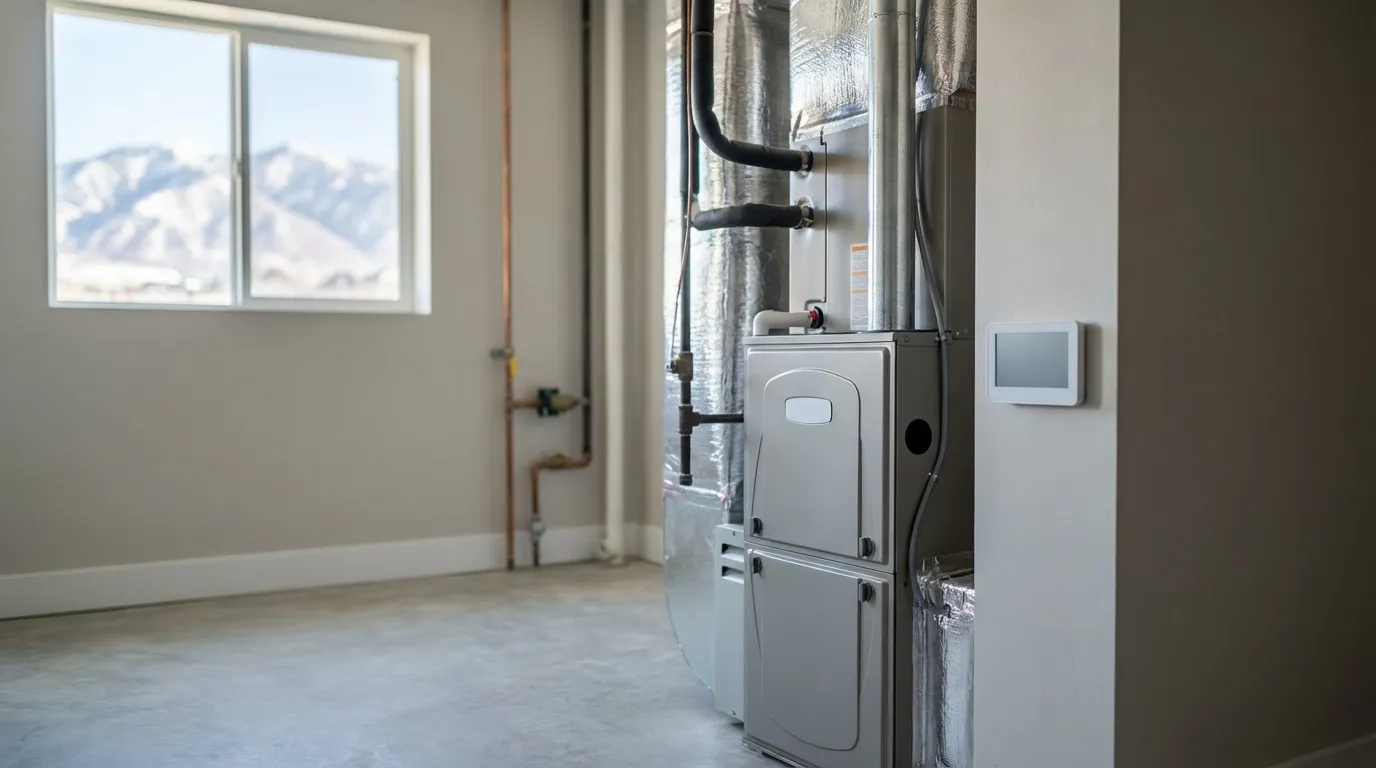
Temperature inversions are Salt Lake City's most distinctive winter HVAC challenge. When cold air becomes trapped in the valley between the Wasatch Mountains and Oquirrh Mountains, temperatures stay below freezing for days to weeks at a time. Heating systems that are stressed by a single cold night face sustained multi-day loading during inversions. "Furnace not working Salt Lake City inversion" and "emergency heating Salt Lake City UT" searches occur during these sustained cold periods with intense urgency — homeowners can't simply wait out the cold because inversions can persist for a week or more. Campaigns with 24/7 coverage and inversion-specific emergency messaging capture this uniquely SLC demand at CVRs of 12–18%.
Rocky Mountain Power Rebate: The Most Underutilized SLC HVAC Element
Rocky Mountain Power (PacifiCorp's Utah utility) offers rebates of $150–$500 for qualifying high-efficiency HVAC equipment installations. Yet fewer than 15% of SLC HVAC PPC campaigns mention Rocky Mountain Power rebates in ad copy, despite the rebate being a genuine purchase incentive that reframes replacement from "expensive" to "subsidized." Campaigns leading with "HVAC Replacement SLC + Rocky Mountain Power Rebate Up to $500" consistently generate CTR 15–20% above generic replacement ads at identical CPC levels.
- Emergency heat/inversion: "furnace not working Salt Lake City UT," "inversion heating emergency SLC" — CPC $12–$20
- Emergency AC: "AC not working Salt Lake City UT," "air conditioning repair SLC" — CPC $12–$19, peak June–Aug
- Rocky Mountain Power rebate: "HVAC replacement Salt Lake City Rocky Mountain Power rebate" — CPC $7–$12
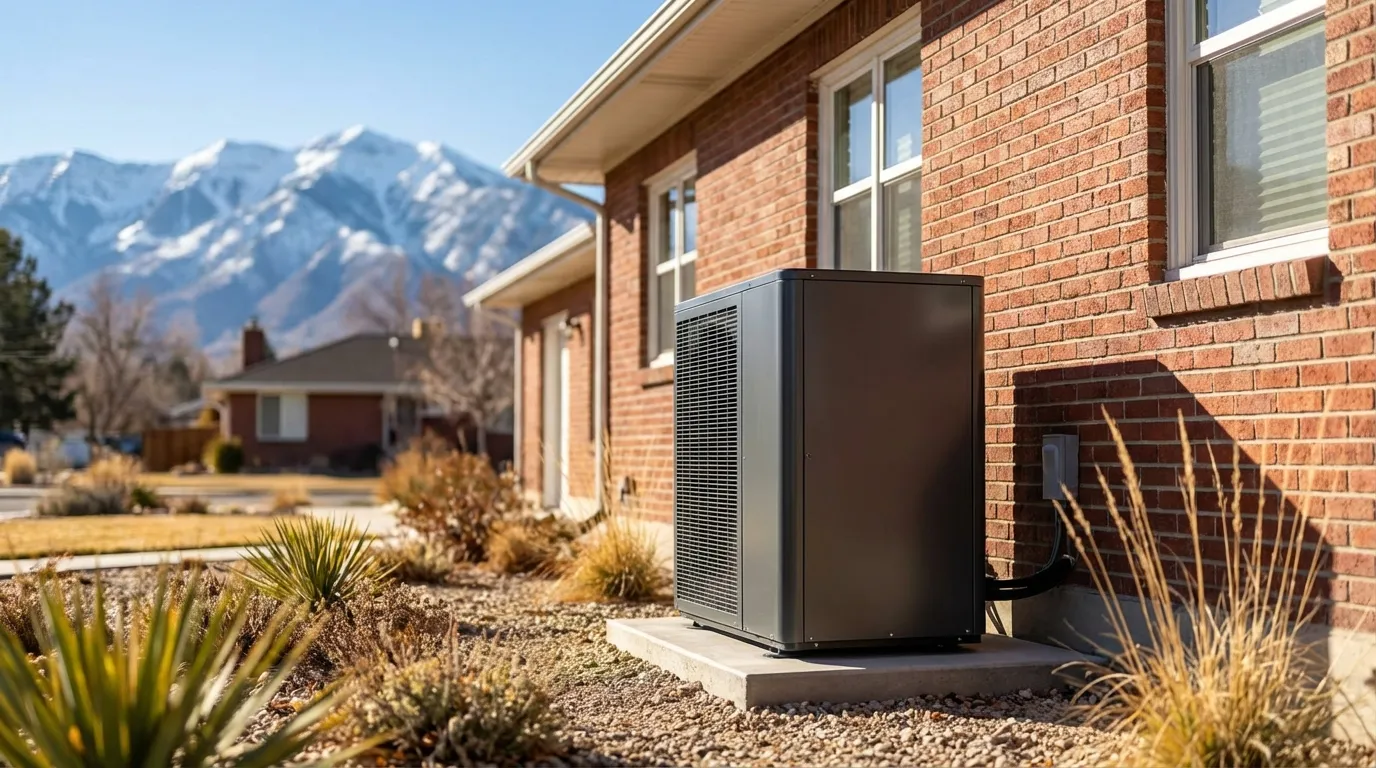
- High-altitude heat pump: "heat pump installation Salt Lake City UT," "heat pump high altitude SLC" — CPC $9–$15
- Silicon Slopes suburb: "HVAC Draper UT," "AC replacement Sandy UT," "furnace South Jordan UT" — CPC $8–$13
Inversion-Ready Emergency Campaigns and the Silicon Slopes Replacement Market
The winning framework for SLC HVAC PPC is four parallel campaign tracks: inversion/winter emergency (24/7 budget, activated at maximum spend during inversion advisories), Rocky Mountain Power-framed replacement (spring pre-summer activation), high-altitude heat pump specialty (year-round research-phase buyers), and Silicon Slopes suburban replacement (Draper/Sandy/South Jordan professional demographic targeting).
Inversion Emergency Response Protocol
When the National Weather Service issues a Salt Lake Valley cold air pool or temperature inversion advisory, the emergency campaign should scale to 200–300% of base budget within 12 hours. Ad copy switches to inversion-specific messaging: "Salt Lake City Inversion — Furnace Emergency — Same Day Service." The landing page leads with phone number, 24/7 availability, and "we know inversions" messaging that signals SLC-specific climate expertise. Inversions are a genuinely local phenomenon — contractors who use inversion-specific language in campaigns demonstrate local knowledge that generic emergency heating ads don't convey, and this local specificity builds conversion rate trust with SLC homeowners who experience inversions as a recurring seasonal reality.
- "Salt Lake City furnace repair inversion weather" — $13–$20 CPC, inversion-specific
- "heating not working Salt Lake City inversion" — $12–$19 CPC
- "emergency HVAC SLC cold snap" — $12–$18 CPC
Silicon Slopes Replacement Targeting
The Draper/Sandy/South Jordan/Herriman corridor — where Goldman Sachs, Adobe, Qualtrics, Vivint, and hundreds of Silicon Slopes tech companies have campuses and where their employees live in $500K–$900K homes — has above-average HVAC investment capacity and above-average premium system preference. Campaigns targeting "HVAC Draper UT smart thermostat," "heat pump installation South Jordan UT," and "high-efficiency AC Sandy UT" consistently generate above-average tickets because this demographic selects premium brands, smart home compatibility, and energy efficiency over lowest price.
The evaporative cooler (swamp cooler) market is a genuine SLC-specific HVAC category. In the drier western Salt Lake Valley suburbs, evaporative coolers are common and cost-effective for cooling — they work well in Utah's dry desert climate. Contractors who run campaigns including "evaporative cooler repair Salt Lake City" and "swamp cooler vs central AC SLC UT" capture a distinct buyer segment that is choosing between evaporative and refrigerant-based systems. This decision-stage buyer converts well on educational landing pages that explain the tradeoffs (evaporative cheaper to run in dry Utah climate; central AC more comfortable when humidity rises during summer monsoon season) — demonstrating SLC climate expertise that generic HVAC templates can't provide.
Google Partner Agency
We're a certified Google Partner Agency, which means we don’t guess — we optimize withGoogle’s full toolkit and insider support.
Your campaigns get pro-level execution, backed by real expertise (not theory).

The Salt Lake City HVAC Insight: High Altitude Changes the Equipment Economics
Salt Lake City's altitude of 4,226 feet creates a specific HVAC engineering context that no other market in our pipeline has. Heat pumps lose efficiency at altitude — as air density decreases, heat pumps must work harder to extract heat from cold air, reducing their coefficient of performance (COP) below sea-level ratings. Air conditioners similarly lose capacity at high altitude. Campaigns addressing "high altitude HVAC efficiency Salt Lake City" and heat pump selection guidance at elevation connect with SLC homeowners who have often heard from contractors that their high-altitude location affects system selection — and who appreciate advisors who demonstrate this specific technical knowledge rather than applying sea-level recommendations.
Utah's clean air initiatives — Air Quality Action Days when inversions trap pollutants — create a secondary HVAC marketing angle specific to SLC: air quality and filtration. Homeowners experiencing inversions are unusually concerned about indoor air quality during these events. "HVAC air filtration Salt Lake City inversion," "air purifier installation SLC UT," and "whole home air quality inversion season" are niche but growing search categories driven by SLC's inversion-season air quality concerns.
California In-Migration and HVAC Standards Differences
The large California in-migration to SLC creates a HVAC demand category similar to other in-migration markets: new SLC homeowners who moved from California often arrive with California HVAC reference standards (ducted mini-split systems more common, different efficiency ratings, different climate profiles). Campaigns targeting "new to Salt Lake City HVAC service" and "California to Utah HVAC maintenance" capture this in-migration cohort at the beginning of their SLC homeowner relationship with above-average LTV potential.
The California in-migration wave adds a HVAC demand pattern specific to SLC's growth story. Californians moving to Salt Lake City often arrive from coastal climates (Bay Area, Los Angeles) where HVAC systems are less critical — mild Bay Area temperatures mean many California homes have minimal HVAC infrastructure. New SLC homeowners from California discover that both the inversion winters and the desert summers require robust HVAC capability, and they frequently need system upgrades within their first 1–2 years of Utah homeownership. "New to Salt Lake City HVAC upgrade" and "California to Utah HVAC system upgrade SLC" campaigns capture these in-migrants at the beginning of their Utah homeowner HVAC relationship with above-average LTV because they're establishing the full-service relationship fresh rather than inheriting loyalty to an existing provider.
Salt Lake City HVAC PPC requires understanding the city's altitude, temperature inversions, and the Rocky Mountain Power rebate opportunity that most campaigns leave uncaptured. Generic seasonal HVAC templates built for sea-level markets in temperate climates miss all three of these SLC-specific elements.
At MB Adv Agency, we build SLC HVAC accounts around inversion-ready emergency campaigns with 24-hour scale-up capability, Rocky Mountain Power-framed replacement campaigns, high-altitude heat pump specialty campaigns, and Silicon Slopes suburban targeting for the premium Draper/South Jordan professional demographic. Air quality filtration campaigns run as a companion track during inversion season for contractors who offer whole-home air quality upgrades.
See our Google Ads management for HVAC companies and our Growth Mode tier for Salt Lake City HVAC operators at $1,900–$3,000/month.
We also build the evaporative cooler campaign track for contractors who serve the drier western Valley suburbs, and the air quality filtration campaign track for inversion season — capturing homeowners who are concerned about indoor air quality during extended Air Quality Action Days. Every SLC HVAC account includes Rocky Mountain Power rebate language in replacement ad copy and landing pages, and inversion advisory budget automation that scales emergency campaigns when the National Weather Service issues Salt Lake Valley cold air pool or temperature inversion advisories.
Frequently Asked Questions
How do Salt Lake City HVAC companies compete against Action Furnace and established local brands?
Action Furnace, Comfort Now, and Day Heating have Quality Score advantages on generic SLC HVAC terms from years of continuous local advertising. Competing on "HVAC Salt Lake City UT" and "AC repair Salt Lake City" against these established accounts means paying institutional CPCs while converting at lower rates against brand recognition built through TV, radio, and local digital advertising that independent contractors can't quickly replicate.
The competitive path is specificity: the Rocky Mountain Power rebate campaign generates 15–20% higher CTR than generic replacement ads while most local brand campaigns don't include this locally-specific element. Inversion-specific emergency campaigns ("Salt Lake City inversion heating emergency") operate in a keyword territory that national franchise templates don't address — they don't know what a temperature inversion is and certainly haven't built inversion-specific landing pages. High-altitude heat pump campaigns attract research-complete buyers at CPCs 25–35% below generic emergency terms. The combined effect is a blended CPC 15–25% below the generic SLC HVAC market while generating leads with above-average ticket potential from the Silicon Slopes professional demographic.
Contractors who build inversion-specific landing pages — addressing the specific heating challenges of multi-day cold air pool events with content about heating system load during extended cold spells — consistently see above-average conversion with SLC homeowners who recognize this specific local climate challenge and respond to contractors who demonstrate they understand it. "We service Salt Lake City homes during inversion season — we know what your system faces" is a genuinely differentiating SLC-specific positioning that no national franchise template provides and that converts the informed SLC homeowner at above-average rates.
What budget does a Salt Lake City HVAC company need for effective Google Ads?
Minimum effective budget for a SLC HVAC operator is $1,900/month average. November–March (inversion season) should receive 130–140% of the monthly average, with inversion event budget scaling to 200–300% during active cold air pool advisories. June–August (desert heat AC season) should receive 130% of the monthly average. Spring and fall shoulder months run at 80–85%.
Expected performance: at $2,000/month, a well-structured SLC HVAC account generates 20–28 leads/month in peak winter and summer with above-average ticket sizes from the Silicon Slopes professional demographic. The Rocky Mountain Power rebate campaign specifically generates above-average quality replacement leads because financially-aware homeowners motivated by the rebate have done the replacement decision research and are selecting a contractor, not deciding whether to act.
Contractors who maintain year-round campaigns — even at reduced shoulder-season budget — consistently see better inversion season performance than those who go dark in spring and fall and activate from cold start when inversions arrive. The Quality Score built through continuous year-round presence allows inversion emergency campaigns to achieve competitive impression share within hours of an inversion advisory, while contractors activating fresh accounts from zero during an active cold event spend days building relevance while competitors with established accounts capture the most urgent inversion heating leads.