Plumbing PPC Lansing, MI
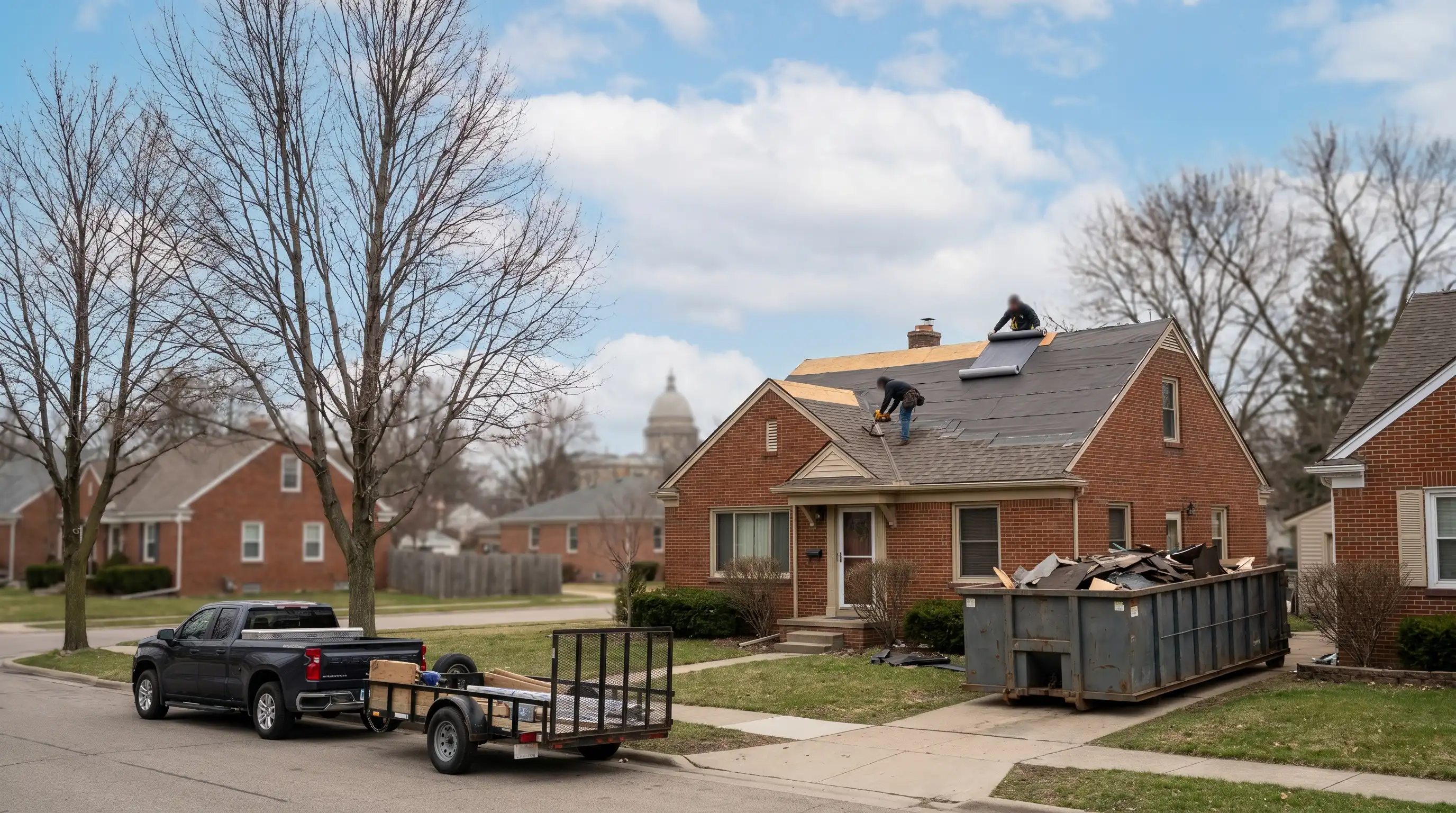
Lansing's aging housing stock — median year built: 1954 — means tens of thousands of homes run original or first-generation copper and galvanized steel supply pipes through uninsulated exterior walls, in a city where January lows average 17°F. That combination makes Lansing one of the most active emergency plumbing markets in mid-Michigan, with burst pipe calls, frozen pipe emergencies, and water heater failures driving demand from October through March. With Roto-Rooter and Meridian holding established digital presence, the window for independent contractors is real — but only with campaigns structured for urgency-first conversion.
Why Do Plumbing PPC Campaigns Fail in Lansing, MI?
Plumbing PPC in Lansing has everything going for it on paper: high-urgency demand, aging housing infrastructure, and a homeownership rate of 53.8% that puts roughly 27,500 owner-occupied decision-makers within reach of a well-targeted Google Ads campaign. But most local plumbing contractors either aren't running PPC, are running poorly structured campaigns, or are spending money on keywords that don't generate emergency calls. Four failure modes account for most of the wasted budget.
Franchise Brand Dominance Skews the Conversion Funnel
The most visible challenge is Roto-Rooter's national brand presence. Roto-Rooter has 24/7 availability, brand recognition that predates Google, and a PPC budget that scales with their national operation. They don't need to win on CPCs — they win on trust and conversion rate. When a Lansing homeowner has a sewer backup at 11pm and Roto-Rooter's name appears alongside an unfamiliar local contractor, brand recognition alone drives a significant percentage of conversions to the franchise. Michigan Plumbing (since 1992), Aaron's Plumbing, and Meridian Heating, Cooling, Plumbing & Electrical add additional established competition for local intent keywords.
The solution isn't to outspend Roto-Rooter — it's to target intent segments where the franchise positioning works against them. National franchises are perceived as expensive and impersonal. Campaigns that lead with "local Lansing plumbers, upfront pricing, not a 1-800 call center" differentiate immediately and convert at higher rates for customers specifically seeking a non-franchise alternative — a meaningful share of Lansing's plumbing search volume.
CPL Variance Is a Campaign Structure Problem, Not a Market Problem
The second failure mode is CPL misinterpretation. According to SearchLight Digital's 2026 dataset (524 plumbing contractors), top-quartile plumbing PPC delivers CPL under $107, while bottom-quartile campaigns average over $253 per lead — a 2.5x gap on the same keywords in comparable markets. Lansing contractors in the bottom quartile typically share one trait: broad-match keyword campaigns without intent segmentation, landing pages without call-focused conversion elements, and no negative keyword list to filter non-customer traffic. The CPL problem isn't the Lansing market — it's campaign architecture.
The third failure mode is after-hours call handling. A plumbing emergency search at 2am is the highest-conversion event in the PPC calendar — the homeowner is in crisis, has zero price sensitivity, and calls the first available number they find. Campaigns without live answer coverage or an aggressive callback guarantee lose the very leads they pay the most to acquire. Unanswered emergency plumbing calls go to the next listing 80%+ of the time — meaning every missed call is both a lost lead and a wasted ad click at peak CPC rates.
The fourth failure mode is the emergency-only perception trap. Plumbing PPC generates strong emergency call volume — but businesses that treat PPC as emergency-only miss the higher-ticket opportunities: water heater replacement ($1,200–$2,800 installed), sewer line replacement ($4,500–$12,000), and renovation plumbing that accompanies kitchen and bathroom remodels. Campaigns segmented by job type capture all these conversion opportunities, not just the burst-pipe calls.
Plumbing PPC Strategies That Capture Emergency Leads in Lansing
The highest-performing plumbing PPC campaigns in Lansing are built around a simple principle: match budget intensity to intent urgency. Emergency calls convert fast and require one outcome — a ringing phone that gets answered. Higher-ticket services like water heater replacement and sewer line work require more deliberate campaigns with lead form options and a longer follow-up window. Building these in the same campaign produces mediocre results across both.
Campaign Structure by Job Type
The right architecture separates plumbing campaigns into four distinct tracks, each with its own keywords, bidding logic, and landing page:
- Emergency and 24/7: "emergency plumber Lansing MI," "24 hour plumber Lansing," "burst pipe Lansing," "frozen pipe repair Lansing," "plumber near me open now" — CPCs $20–$35; call-only ads or call-priority landing pages; after-hours bid adjustments of 40–60% applied 8pm–7am; December–February maximum budget priority when frozen pipe emergencies peak
- Water heater: "water heater replacement Lansing," "water heater repair Lansing MI," "water heater installation Lansing," "tankless water heater Lansing" — CPCs $15–$25; lead form plus phone; pre-winter (October–November) peak campaign window; average ticket $1,200–$2,800
- Drain and sewer: "drain cleaning Lansing MI," "clogged drain Lansing," "sewer line repair Lansing," "sewer backup Lansing MI" — CPCs $12–$22; moderate urgency; lead form acceptable; highest seasonal volume in spring (March–May) as ground thaw activates tree root intrusion in older sewer lines
- General plumbing: "plumber Lansing MI," "plumbing company Lansing," "plumber East Lansing MI," "plumbing contractor Lansing" — CPCs $15–$30; brand-building plus lead generation; anti-franchise positioning in ad copy; local credentials and response time featured prominently
Seasonal budget adjustments should be built into the campaign calendar before the year begins. Frozen pipe emergency volume peaks in January–February when Lansing temperatures average 17°F and 19°F lows. Water heater campaigns perform best in October–November before winter heating season stresses aging units. Spring brings sewer backup volume from frost thaw and root intrusion in the galvanized and clay tile sewer lines common in Lansing's older neighborhoods. A flat monthly budget misses all three peaks.
Ad Copy That Overcomes Franchise Trust
In Lansing's competitive plumbing market, ad copy that establishes local identity converts better than generic service claims. The highest-performing Lansing plumbing headline patterns address the core objection to choosing an unfamiliar local over a national brand:
- "Lansing's 24/7 plumber — we pick up, every time" (counters Roto-Rooter call center model)
- "Frozen pipe? Lansing's 30-minute emergency response team"
- "Local Lansing plumbers — upfront pricing, no surprise fees"
- "Water heater out? Same-week installation — Lansing area"
Call extensions and location extensions should be active on all campaigns. Plumbing is a zero-deliberation category for emergency searches — customers click, see a phone number, and call directly from the SERP without visiting the landing page. Campaigns without call extensions sacrifice a significant percentage of conversions to competitors who make their phone number visible in the ad itself, removing the extra click required to reach a landing page.
Google Partner Agency
We're a certified Google Partner Agency, which means we don’t guess — we optimize withGoogle’s full toolkit and insider support.
Your campaigns get pro-level execution, backed by real expertise (not theory).

What Market Trends Should Lansing Plumbing Businesses Know?
Lansing's plumbing market has structural demand drivers embedded in the housing data and climate records — not visible in any keyword tool, but directly actionable for PPC strategy.
Aging Pipes and the Infrastructure Replacement Wave
Lansing's median home was built in 1954. Galvanized steel supply pipes were standard in residential construction through the early 1960s; copper became dominant through the 1970s and 1980s. Both materials have finite lifespans — galvanized steel corrodes and restricts flow after 40–70 years; copper shows joint failures and pinhole leaks in older installations. A Lansing home built in 1955 with original galvanized supply lines is now 70+ years old — well past the expected failure horizon. This isn't a hypothetical risk — it's the actual pipe condition in thousands of Lansing homes, and it creates a baseline of non-emergency plumbing demand that smart campaign operators can reach with proactive messaging about inspection, pressure testing, and repiping.
The 53.8% homeownership rate translates to approximately 27,500 owner-occupied housing units in the city limits, most built before 1980. Add East Lansing, Okemos, and DeWitt owner-occupied units and the Lansing metro addressable market for plumbing PPC exceeds 100,000 owner-occupied residences. At a realistic 3–5% annual plumbing emergency rate, that's 3,000–5,000 emergency incidents per year in the metro — generated by existing housing stock meeting Michigan winters, without a single marketing dollar spent.
The January–February Window Is the Highest-ROAS Period of the Year
Lansing averages lows of 17°F in January and 19°F in February — conditions that cause supply lines in uninsulated exterior wall cavities to freeze within hours of temperature drop. Homes built in 1954 typically have supply lines routed exactly through these wall cavities, because 1950s construction predated the insulation standards that would have moved or protected them. A burst pipe releases 250–500 gallons per hour into a home's structure before it's discovered. "Burst pipe Lansing" converts to booked jobs at near-zero hesitation — this search is made by homeowners in active crisis, not comparison shopping. Campaign CPCs on this term, while elevated in January, still typically produce CPL below $100 because conversion rates are exceptionally high. Contractors who pre-budget for winter emergency campaigns — and maintain live call coverage — consistently generate their highest-ROAS month of the year in January or February despite paying peak CPCs.
The water heater replacement cycle adds a second high-intent window in October–November. Lansing homeowners who notice their unit struggling before winter heating season — or who received a service estimate — decide to replace proactively. Average unit age in pre-1980 Lansing homes often exceeds 12–15 years, putting a significant share of the housing stock into the replacement-eligibility window. Campaigns that run "water heater older than 10 years? Replace before Michigan winter" messaging in October and November capture motivated, pre-qualified buyers at CPLs typically 20–30% below peak winter emergency rates.
Why Lansing Plumbing Contractors Need Local PPC Expertise
Plumbing PPC in Lansing is a timing game. The contractor whose campaign is optimized, funded, and live when a homeowner's pipe bursts at 2am in January wins the job. The contractor whose campaign is paused, over budget, or pointing to a landing page without a visible phone number loses it — regardless of how good their service actually is. Local campaign management means budget is allocated before Michigan cold fronts arrive, not after they've already generated emergency volume the campaign missed entirely.
At MB Adv Agency, we manage plumbing PPC for independent contractors competing against national franchises in mid-size markets like Lansing. We build campaigns that capture emergency calls, convert water heater replacement leads, and position local contractors against Roto-Rooter brand dominance with messaging that wins on trust and response time rather than budget alone.
Visit our Lansing PPC services page for market-specific context, or see our pricing tiers to understand how we work with plumbing contractors at Lansing budget levels. The next pipe burst in Lansing is a weather event away — make sure your campaign is the one that answers the call.
Frequently Asked Questions
How Much Does Plumbing PPC Cost in Lansing, MI?
Plumbing PPC in Lansing, MI typically costs $2,000–$4,000 per month for a campaign covering emergency repair, water heater, and drain/sewer keywords. Blended average CPCs for plumbing run $8.45–$10.49 across all keyword types, while high-intent emergency terms like "burst pipe Lansing" and "emergency plumber Lansing MI" run $20–$35 per click. Cost-per-lead varies by campaign quality: top-quartile plumbing PPC delivers CPL under $107, industry average runs $129–$183, and bottom-quartile campaigns average over $253 per lead — a 2.5x gap attributable almost entirely to campaign structure. At a 7.63% conversion rate, a $3,000 monthly budget produces approximately 20–30 qualified leads per month in a well-structured account. Emergency repairs average $350–$600 per job; water heater replacements run $1,200–$2,800; sewer line replacements reach $4,500–$12,000 — making plumbing PPC one of the highest-ROI home service categories in Lansing above $2,000 per month.
Winter months (December–February) produce Lansing's highest plumbing PPC conversion rates due to frozen and burst pipe emergencies — but also the highest CPCs as competition for emergency terms increases. Campaigns that maintain year-round presence with seasonal budget adjustments build Quality Scores during lower-competition shoulder months, then hold strong ad positions during peak winter demand without paying the inflated CPCs that cold-start campaigns face when launching into an active emergency season.
After-hours call coverage is the single biggest cost multiplier in plumbing PPC. A campaign that generates 25 emergency leads per month but only has coverage 8am–5pm converts only a fraction of its potential. Emergency plumbing leads that go unanswered don't wait — they call the next listing within minutes. Live answer or an aggressive automated callback system is not optional for Lansing plumbing PPC to generate positive ROI.
How Quickly Do Plumbing PPC Leads Convert in Lansing?
Emergency plumbing leads in Lansing convert within minutes of the initial search. A homeowner with a burst pipe clicks the top result and calls immediately — there is no deliberation, no comparison shopping, and no price negotiation. The job is booked or lost within 60 seconds of the click, depending entirely on whether someone answers the phone. For planned work — water heater replacement, drain cleaning, repiping consultations — the conversion window extends to 2–7 days. Homeowners typically contact 2–3 contractors for quotes on higher-ticket work, making landing page quality, response speed, and follow-up sequencing critical for conversion. At a 7.63% conversion rate, a Lansing plumbing campaign running $3,000 per month generates 20–30 leads monthly — emergency leads converting within hours, planned-work leads closing within one week when follow-up systems are active.
The optimal Lansing plumbing PPC launch timeline is September–October, positioning campaigns before the winter emergency season begins. By the time January freeze events occur, the account has 60–90 days of conversion history for Smart Bidding to operate on — which consistently produces lower CPCs and better lead quality than campaigns launching cold into the winter peak. Accounts launched in January during an active emergency season face an immediate learning period at the highest CPCs of the year, compounding the budget disadvantage.
Water heater campaigns deserve dedicated budget in October and November. Homeowners who've noticed their unit struggling before winter decide to replace before cold weather stresses the system further. This creates a concentrated, high-intent booking window in Q4 that typically delivers $1,200–$2,800 per job with lower competition CPCs than emergency terms — because most competitors aren't running specific water heater campaigns. Segmenting water heater keywords into their own campaign ensures this Q4 window receives the dedicated budget and targeted messaging it deserves.