Real Estate PPC Worcester, MA
Worcester's median home sale price hit $451,932 in 2024 — a 9.2% year-over-year increase — with a Redfin Compete Score of 79/100 and homes regularly selling near ask in under 40 days. For real estate agents, the math is unambiguous: at 2.5–3% commission on a $450K sale, each closed transaction generates $11,275–$13,530 GCI, and the agents who generate leads on Google Ads capture transactions that agents relying on referrals and Zillow profiles never see. <!-- stats-article-link --> <p><em>See how this city's Real Estate PPC costs compare nationally in our <a href="https://www.mbadv.agency/ppc-industry-statistics/real-estate-ppc-statistics">Real Estate PPC Statistics</a> report, featuring data from 40+ US cities.</em></p>
Why Do Real Estate PPC Campaigns Fail in Worcester?
Real estate PPC in Worcester is deceptively complex. WordStream's national real estate averages — $2.37 CPC, 2.47% CVR — dramatically understate the cost of running effective buyer and seller lead campaigns in an active market where national portals, Boston overflow agents, and local independents all compete simultaneously. Agents who launch Google Ads expecting those averages end up confused when their campaigns produce $8–$12 clicks at 1.5% conversion rates. Understanding why requires understanding who Worcester real estate advertisers are actually competing against.
The Three-Layer Competition Problem
Worcester real estate PPC has a layered competitive structure that most local agents don't account for when planning campaigns:
Layer 1 — National portals: Zillow, Realtor.com, and Homes.com run national PPC campaigns capturing Worcester buyer and seller intent. They bid on "homes for sale Worcester MA" and "sell my house Worcester" with national budgets, then monetize leads by selling them to multiple agents simultaneously. An agent competing directly against Zillow on the same keywords is fighting a budget war they cannot win.
Layer 2 — Boston overflow agents: As Boston's median home price climbs past $800K, Boston-metro agents increasingly advertise in Worcester to capture buyers who've been priced out of the primary market. These agents run "Boston buyers moving to Worcester" messaging with substantial budgets and brand recognition that local Worcester independents lack.
Layer 3 — Local brand competition: Lamacchia Realty (the dominant Worcester market brand), RE/MAX, Coldwell Banker, and Keller Williams all run branded and non-branded real estate PPC in Worcester. They have established review profiles, local credibility, and multi-agent teams — structural advantages in landing page conversion that solo agents must overcome through specificity.
The strategic response: don't compete on generic terms where portals and large brands dominate. Instead, own the hyperlocal and intent-specific terms those competitors undervalue or ignore.
Buyer vs. Seller Campaign Confusion
Bundling buyer and seller keywords into a single campaign is one of the most common structural errors in real estate PPC. Buyer intent ("homes for sale Worcester MA") and seller intent ("sell my house Worcester MA") are entirely different psychological states, different landing page needs, and different conversion funnels. A buyer is beginning a process that may take months; they need property search capability and neighborhood information. A seller wants to know what their home is worth and whether now is the right time — they need an instant home value tool or a specific pricing call-to-action.
Worcester's current market dynamics make seller campaigns particularly high-value. With 201 active listings as of March 2026 and homes selling at 99% of list price in ~34 days, sellers have strong motivation to list and strong confidence that they'll get their price. An agent whose Google Ads capture seller intent ("sell my home Worcester 2026," "what is my Worcester home worth") gets listing inventory in a market where inventory is still constrained — a competitive advantage that compounds over months as each listing generates additional buyer inquiries.
Real Estate PPC Strategies That Generate Buyers and Listings in Worcester
Worcester's housing market in 2026 rewards agents who structure campaigns around the specific buyer and seller segments most active in this market — not the generic real estate terms that portals dominate and where a local agent's $2,000/month budget is invisible. Here's how to build a campaign that generates leads at CPLs that make the GCI math work.
Campaign structure: three intent-distinct segments
- Boston migration buyers: "Worcester homes from $400k," "commuter rail to Boston Worcester," "relocating to Worcester MA," "Worcester vs Boston housing cost" — $5–$9 CPC, strong intent, motivated buyers who have already decided to move. Landing page should emphasize commute time (60 minutes to Back Bay), price comparison data, and neighborhood guides.
- Seller / listing leads: "sell my house Worcester MA," "what is my Worcester home worth," "list my home Worcester 2026," "Worcester MA real estate agent for sellers" — $8–$12 CPC, highest conversion value, often older homeowners with equity who are seriously evaluating. Landing page: instant home value estimator + CTA to book a free comparative market analysis.
- Niche buyer segments: "Worcester MA multi-family homes for sale," "triple deckers for sale Worcester," "Worcester income property," "first time home buyer Worcester MA" — $4–$8 CPC, lower competition than generic buyer terms, attracts investment-minded buyers and first-timers who will commit to a buyer's agent relationship.
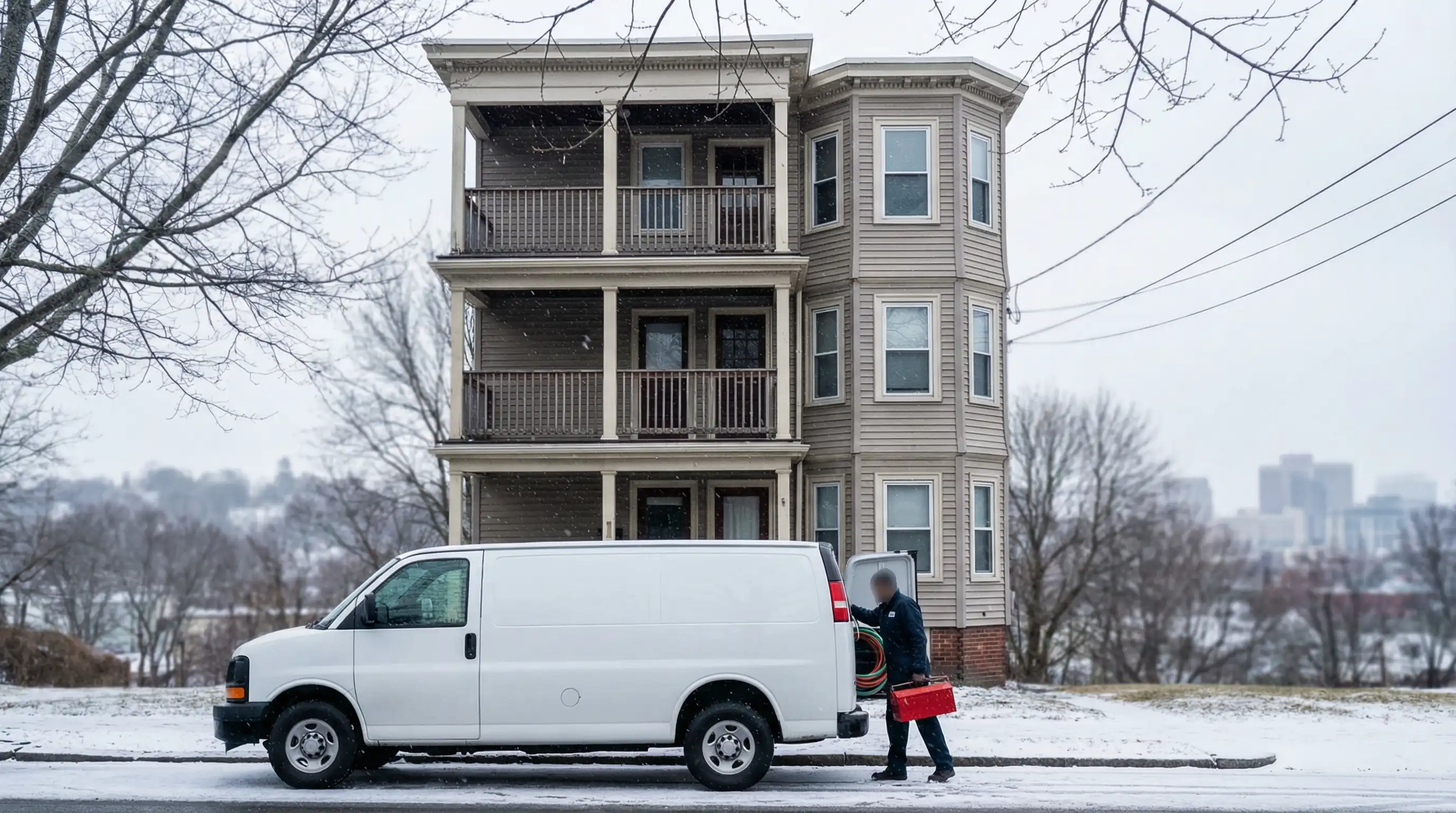
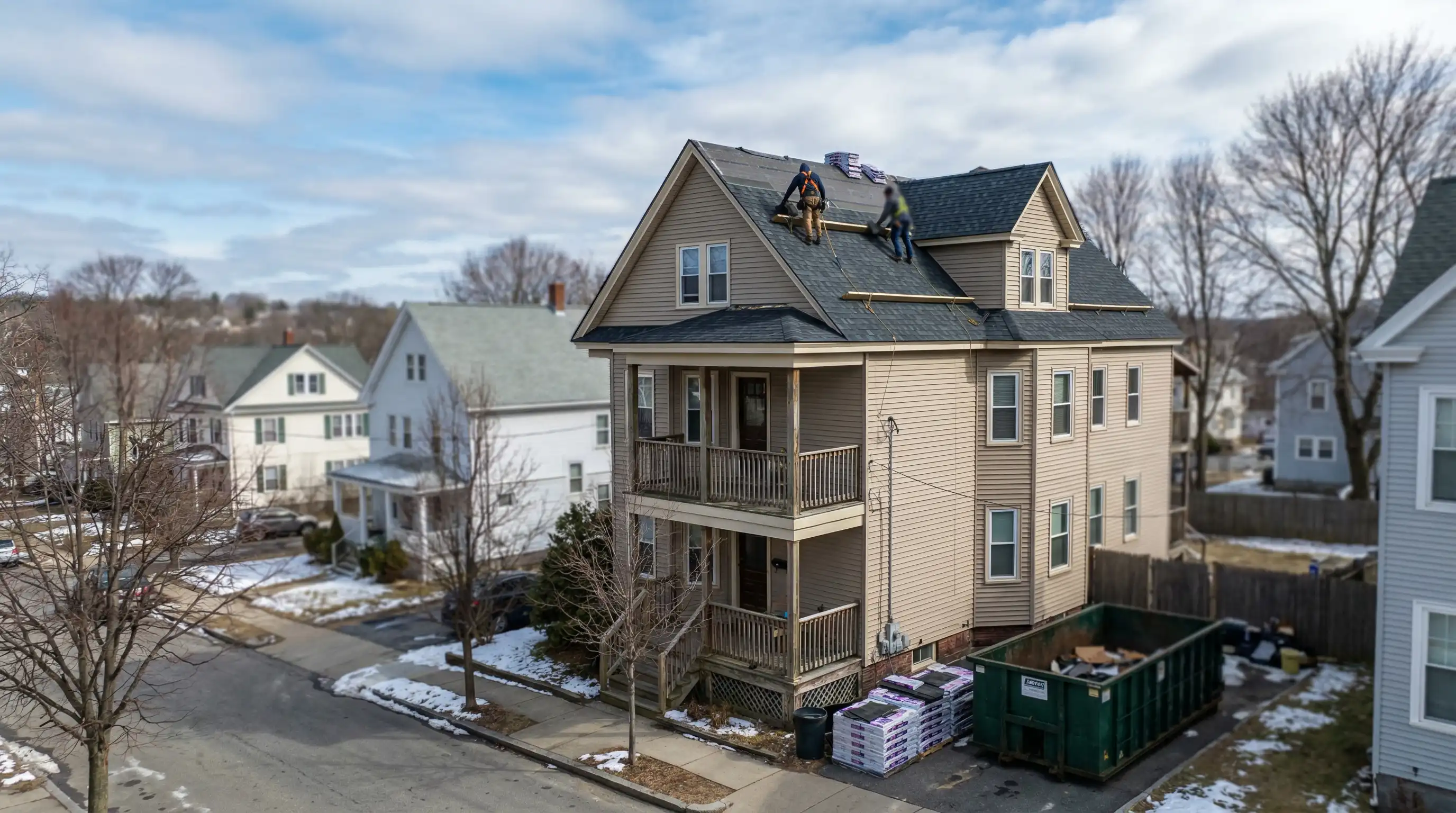
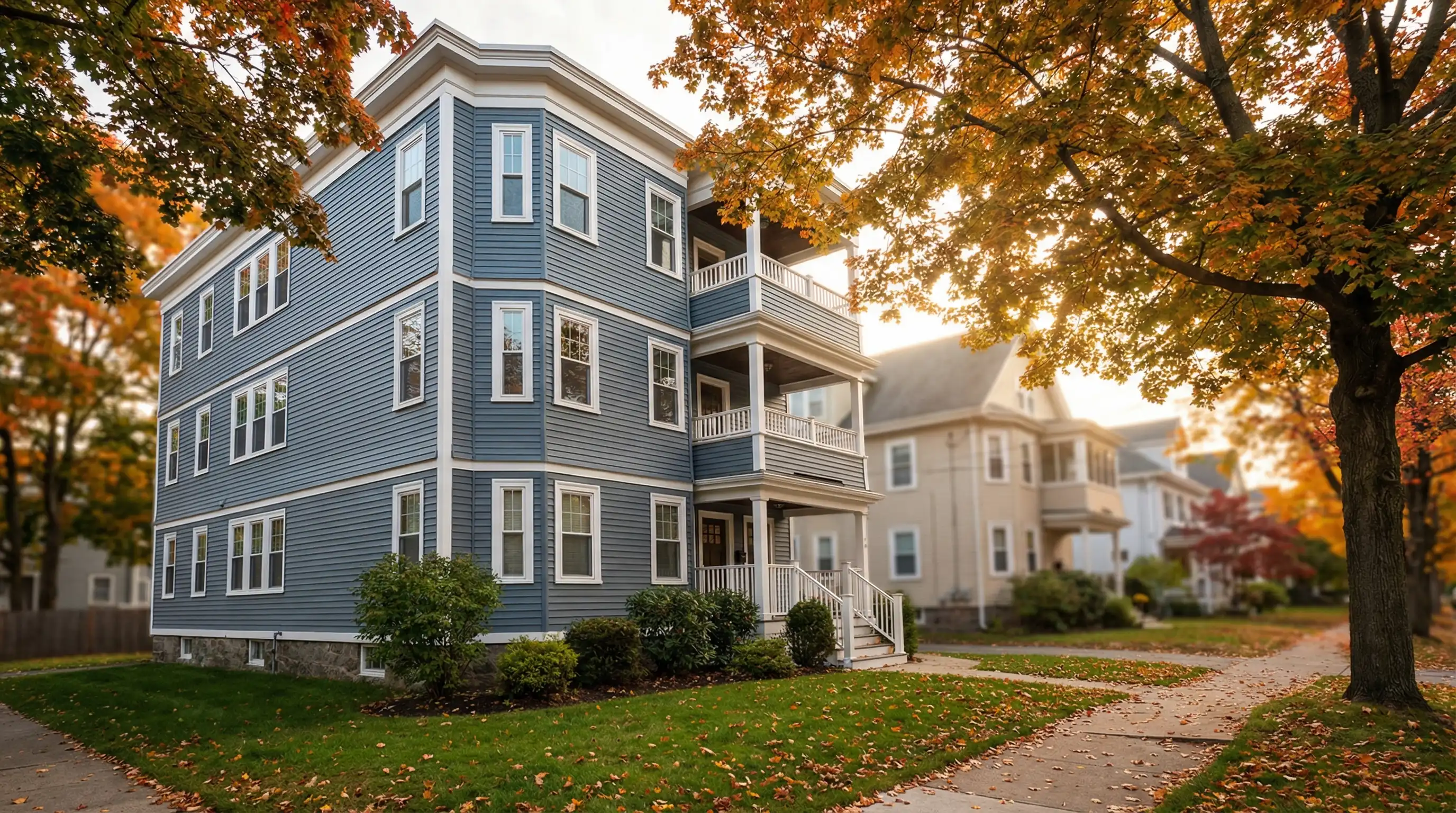
Key keyword insights for Worcester real estate: The "triple-decker" angle is a Worcester-specific opportunity. Triple-deckers are iconic to Worcester's housing stock — nearly unique to Massachusetts cities — and buyers searching for them are searching with architectural specificity that indicates serious local intent. Generic national portals don't build landing pages around "triple deckers for sale Worcester MA." A local agent who does owns that term with minimal competition.
Bid strategy for real estate: Start with manual CPC. Real estate landing pages typically convert at 2–5%, meaning a campaign needs 20–50 clicks per lead. At $6 average CPC for mid-tier terms, that's $120–$300 CPL. At $11,000+ GCI per transaction and a 15–20% lead-to-close rate over a 90-day buyer cycle, the math supports $200–$300 CPL comfortably. Switch to Target CPA bidding once 20–30 conversions accumulate in the account — typically 3–4 months.
Landing page essentials: Every real estate ad group needs a dedicated landing page. Buyer campaigns: property search tool or neighborhood guide with a "schedule a showing" CTA. Seller campaigns: home value calculator or "get my free home valuation" form. Skip the homepage. The lead who clicks on a seller-intent ad and lands on a homepage has to hunt for relevance — most don't. They bounce.
Google Partner Agency
We're a certified Google Partner Agency, which means we don’t guess — we optimize withGoogle’s full toolkit and insider support.
Your campaigns get pro-level execution, backed by real expertise (not theory).

What Market Trends Should Worcester Real Estate Agents Know in 2026?
Worcester's housing market has structural characteristics that create specific PPC targeting opportunities that most competing agents and even large brokerages miss. The data is publicly available — from Redfin, Realtor.com, Lamacchia's annual report, and the Census — but most agents don't translate it into campaign targeting decisions. That's the edge.
The Boston Price Migration Is Accelerating
Boston's median home price has crossed $800,000. Worcester's median sits at $450,000 — 44% less expensive, with commuter rail access to Back Bay and South Station in under 60 minutes. This isn't a new trend, but its acceleration in 2025–2026 is visible in Worcester's sales data: 1,549 home sales in 2024, up 1.2% year-over-year, with a 9.2% price increase suggesting demand is outpacing constrained inventory. The buyers driving that demand are increasingly Boston-area workers priced out of the primary market.
Key insight: PPC campaigns targeting this migration segment should lead with the price differential, not with Worcester-specific neighborhood branding. A buyer who searches "affordable homes near Boston commuter rail" doesn't know they're looking at Worcester yet — they're looking for a concept, not a city. The agent whose ad shows up for that search with "Worcester homes from $350K — 60 min commuter rail to Back Bay" converts that concept-search into a Worcester buyer.
The 57% Renter Opportunity
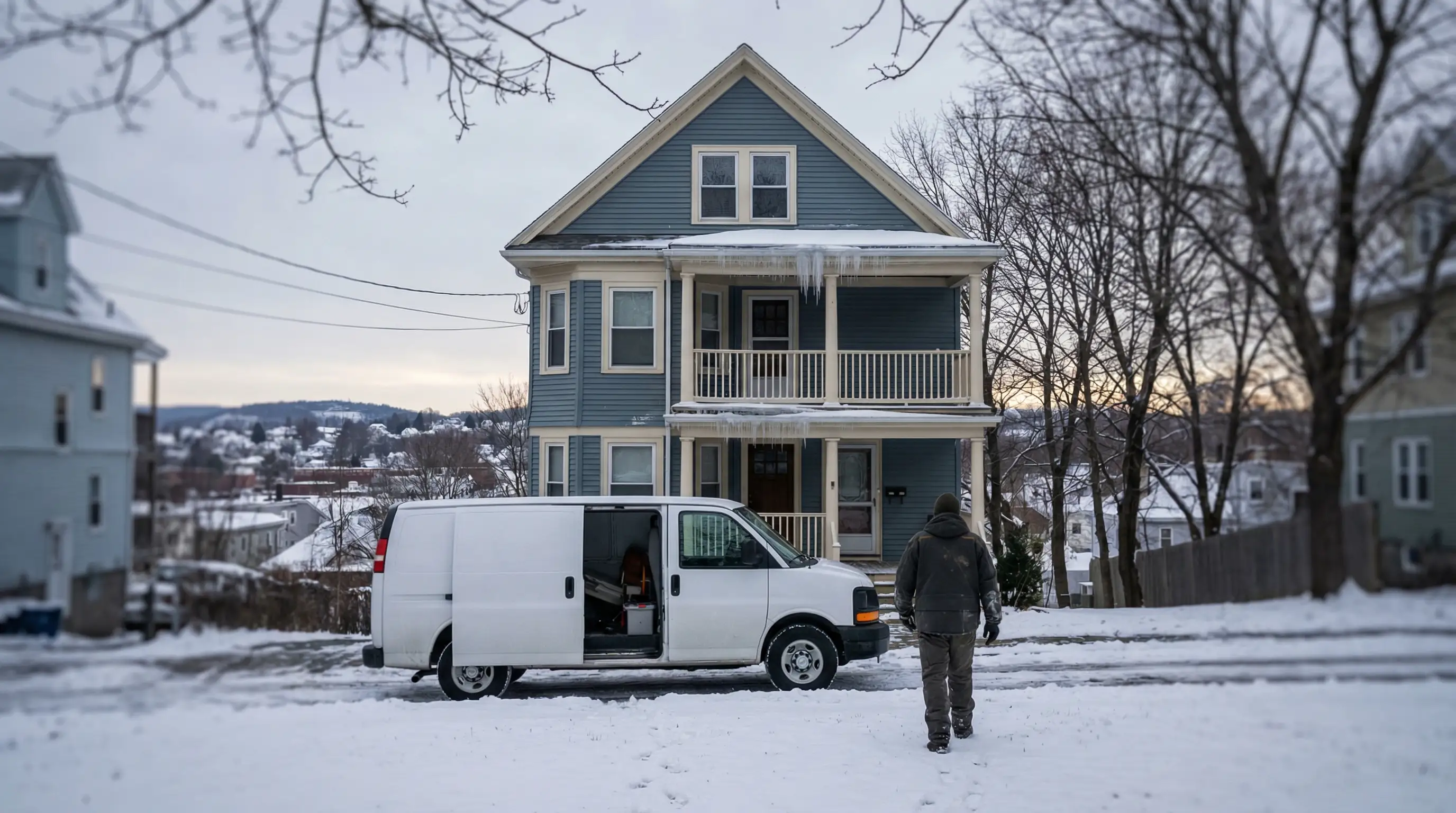
Worcester's 57.2% renter rate — versus ~36% nationally — creates an enormous first-time buyer pipeline that renters-turned-buyers represent. With 10+ colleges generating annual graduates who often stay in the city, Worcester has a structural supply of 25–35-year-olds currently renting who are approaching the income threshold and life-stage readiness to buy their first home. First-time buyer campaigns targeted to this demographic (income-qualified search terms, FHA/low down payment messaging, "stop renting Worcester" copy) attract a motivated, large segment with very low current advertising competition from other agents.
- Spring (March–June): Highest listing season — seller campaigns should increase bids by 20–30%. New listings are the product that generates buyers, and agents with listings attract both buyer and seller leads simultaneously.
- Summer (July–August): Move-in season — buyer campaigns peak as families time purchases to school-year starts. First-time buyer and family-sized home search terms spike.
- Fall (September–October): Second listing season — reduced competition from other advertisers (many agents pull back post-summer). Lower CPCs with maintained buyer demand. Underutilized by most Worcester agents.
- Winter (November–February): Lowest volume but motivated sellers — homeowners listing in winter are serious, often relocation-driven. Seller campaigns at reduced bids produce high-intent leads from the smallest competitive field of the year.
Worcester Real Estate PPC That Competes With Portals — and Wins
Competing against Zillow, Realtor.com, and Boston-backed brokerages on generic real estate terms requires either an impossibly large budget or a smarter targeting strategy. The lead generation PPC approach that works for Worcester real estate agents concentrates spend on hyperlocal intent, Boston migration targeting, and the triple-decker/multi-family niche that no national portal has bothered to build a landing page for.
MB Adv Agency builds Google Ads campaigns for Worcester real estate agents that are structured around your GCI goals — not click volume. We segment buyer and seller campaigns separately, build landing pages matched to each ad group, and track leads from first click to consultation booking. At ,000–,500 GCI per transaction, a single closed deal from a ,000 monthly ad budget delivers a 5–6x ROAS on first transaction alone — and the buyer or seller relationship often produces referrals that cost zero in ad spend.
Worcester real estate agents who work with MB Adv receive campaigns that are built for this specific market: Boston migration targeting, triple-decker investor segments, first-time buyer copy, and Spanish-language variations for Worcester's bilingual homebuying community. Every ad group gets its own landing page. Every conversion gets tracked back to the keyword that generated it. See our pricing or review our Worcester PPC services — and explore what a full campaign setup looks like before your next listing opportunity goes to a competing agent who showed up on Google first.
Frequently Asked Questions
How Much Should a Worcester Real Estate Agent Budget for Google Ads?
A Worcester real estate agent running buyer and seller campaigns across two or three targeted segments should budget $2,000–$3,500 per month to generate consistent lead volume at CPLs that make the commission math work. At Worcester's typical real estate PPC CPCs — buyer terms at $5–$9, seller terms at $8–$12 — a $2,500 monthly budget generates approximately 200–350 clicks. At a 3–5% conversion rate, that produces 6–17 leads. For buyer leads, a 15–20% lead-to-close rate over a 90-day cycle converts 1–3 of those to transactions. One $450,000 sale generates $11,250–$13,500 GCI — from $2,500 in ad spend. The math is exceptional even at a single transaction per month, and it improves as campaigns optimize over 3–6 months through lower CPCs (improved Quality Scores) and higher conversion rates (landing page optimization). Agents running hyper-targeted campaigns — Boston migration buyers, triple-decker investors, first-time buyers — consistently achieve lower CPLs than agents running broad generic terms, because their landing pages match search intent precisely and Google rewards that relevance with lower CPCs.
Seller campaigns are worth ring-fencing with a dedicated budget of $500–$800/month even if your primary goal is buyer lead generation. A signed listing in Worcester's current market sells near ask in 34 days — that's $11,000+ GCI in a predictable timeline. Seller leads from PPC convert at higher intent than Zillow or portal leads because they came looking specifically for an agent, not for a home value estimate they can ignore.
How Long Does It Take for Real Estate Google Ads to Generate Leads in Worcester?
Worcester real estate Google Ads campaigns typically begin generating buyer and seller leads within 1–2 weeks of launch for properly targeted campaigns — real estate search volume in Worcester is high enough that campaigns enter the auction with immediate impression opportunities. The first week is primarily data collection: which keywords generate clicks, which ad variants produce higher CTRs, which landing pages convert. By week 2–3, the campaign has enough data to identify which segments are performing above and below CPL targets. Buyer leads typically appear before seller leads — buyers search with higher frequency and more immediate intent, while seller leads are a smaller, higher-value pool. The first seller-to-consultation conversion from PPC often arrives in week 3–5, once the campaign has accumulated enough impressions to move a homeowner who was previously undecided to book a valuation call. Real estate PPC is not a sprint — the full revenue payoff arrives when a buyer closes 60–90 days after first contact, or a listing sells 30–45 days after signing. Plan for a 90-day evaluation horizon before measuring ROAS against completed transactions.
Spring launch timing is highest-leverage for Worcester agents. Campaigns launched in February–March enter the peak listing and buying season (March–June) with 4–6 weeks of optimization data already built — Quality Scores are higher, conversion rates are better, and CPCs are lower than a cold campaign launched at peak season with no history. The agents who get the best return from Google Ads in Worcester's spring market started their campaigns in winter.