Senior Services PPC Grand Forks, ND
Grand Forks is the senior care hub for a 170,000-person regional trade area — families from Grafton, Devils Lake, Crookston, and across the Red River Valley drive into the city for assisted living, memory care, and in-home services that simply don't exist in their rural communities. With 14.3% of the city's population aged 65 and older, and assisted living costs averaging $2,200/month — well below the national average of $4,500 — the market has both the demand base and a genuine price advantage that PPC campaigns can exploit directly. <!-- stats-article-link --> <p><em>See how this city's Senior Services PPC costs compare nationally in our <a href="https://www.mbadv.agency/ppc-industry-statistics/senior-services-ppc-statistics">Senior Services PPC Statistics</a> report, featuring data from 40+ US cities.</em></p>
Why Do Senior Services PPC Campaigns Fail in Grand Forks?
Senior care PPC in Grand Forks fails for a predictable reason: campaigns treat an emotionally complex, multi-stakeholder decision like a commodity purchase. The actual decision-maker searching "assisted living Grand Forks" is rarely the senior — it's an adult child in their 40s or 50s, often calling from out of state, navigating guilt, urgency, and an unfamiliar market simultaneously. A campaign that leads with facility amenities and pricing will miss this searcher entirely. The searcher needs reassurance before they need information.
The Family Decision-Maker Problem
Most senior care PPC campaigns are built around facility features — "24/7 staff," "memory care wing," "restaurant-style dining." These features matter, but they answer the wrong first question. The adult child searcher's first question is: Is this place safe and trustworthy enough to trust with my parent? Grand Forks has 9 senior living communities plus a growing network of in-home care agencies, all making similar feature claims. Edgewood Parkwood Place (132-resident capacity), Tufte Manor (70 apartments with memory care), and Woodside Village (118 residents) all have comparable amenity sets and staffing claims. The differentiator in PPC isn't the features — it's the emotional framing, the proof of trust, and the urgency signal that speaks to the moment the searcher is actually in.
Grand Forks compounds this challenge because it functions as a regional hub — families aren't just local. A daughter in Fargo researching assisted living for her parent in Grafton will search "assisted living Grand Forks" and make a decision about a city she doesn't know well. A campaign that assumes local familiarity will miss the regional audience that represents 30–40% of Grand Forks senior care demand. These searchers need more context, stronger social proof, and clearer geographic orientation than a purely local campaign provides.
Winter Urgency and the Conversion Window
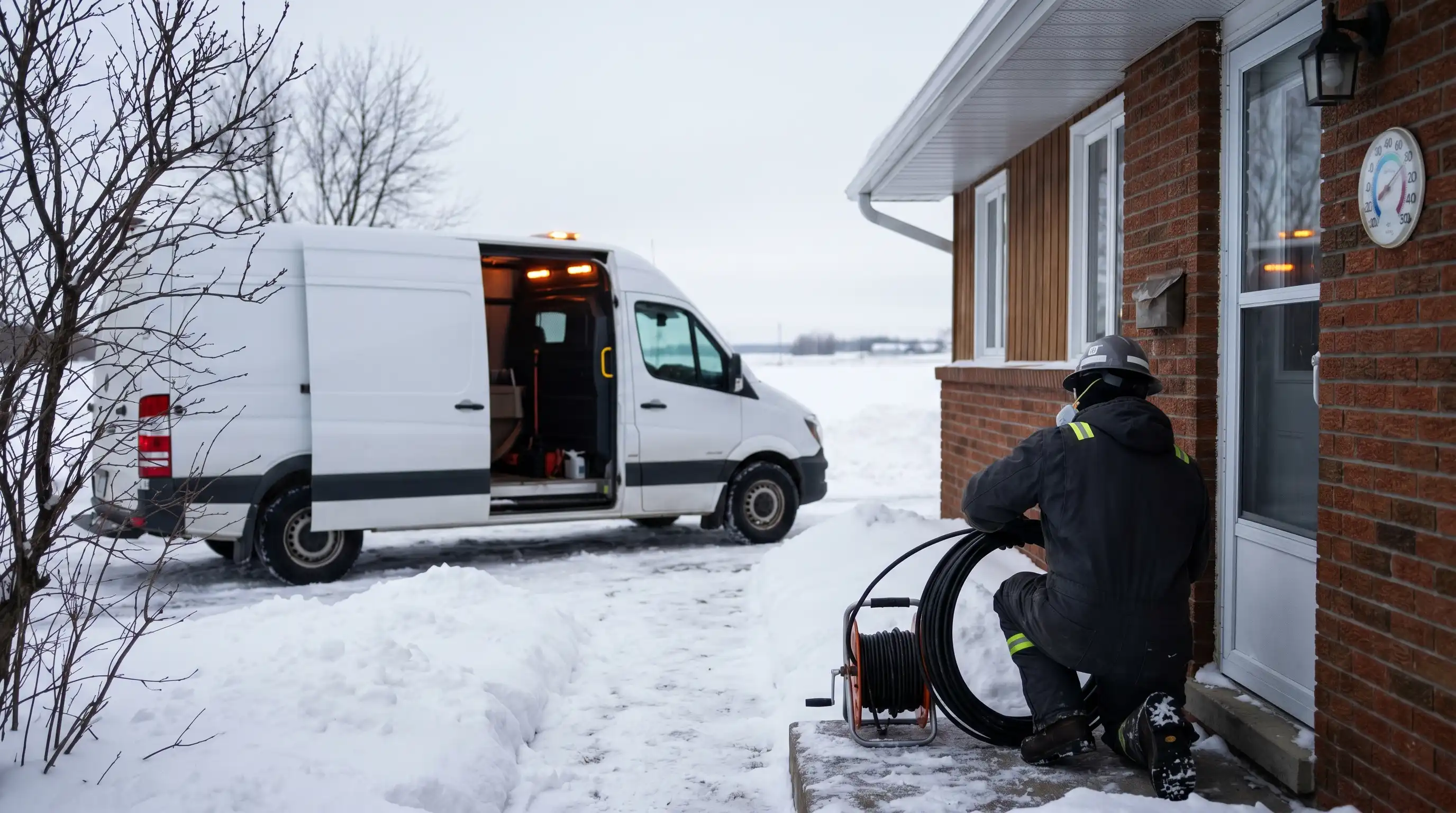
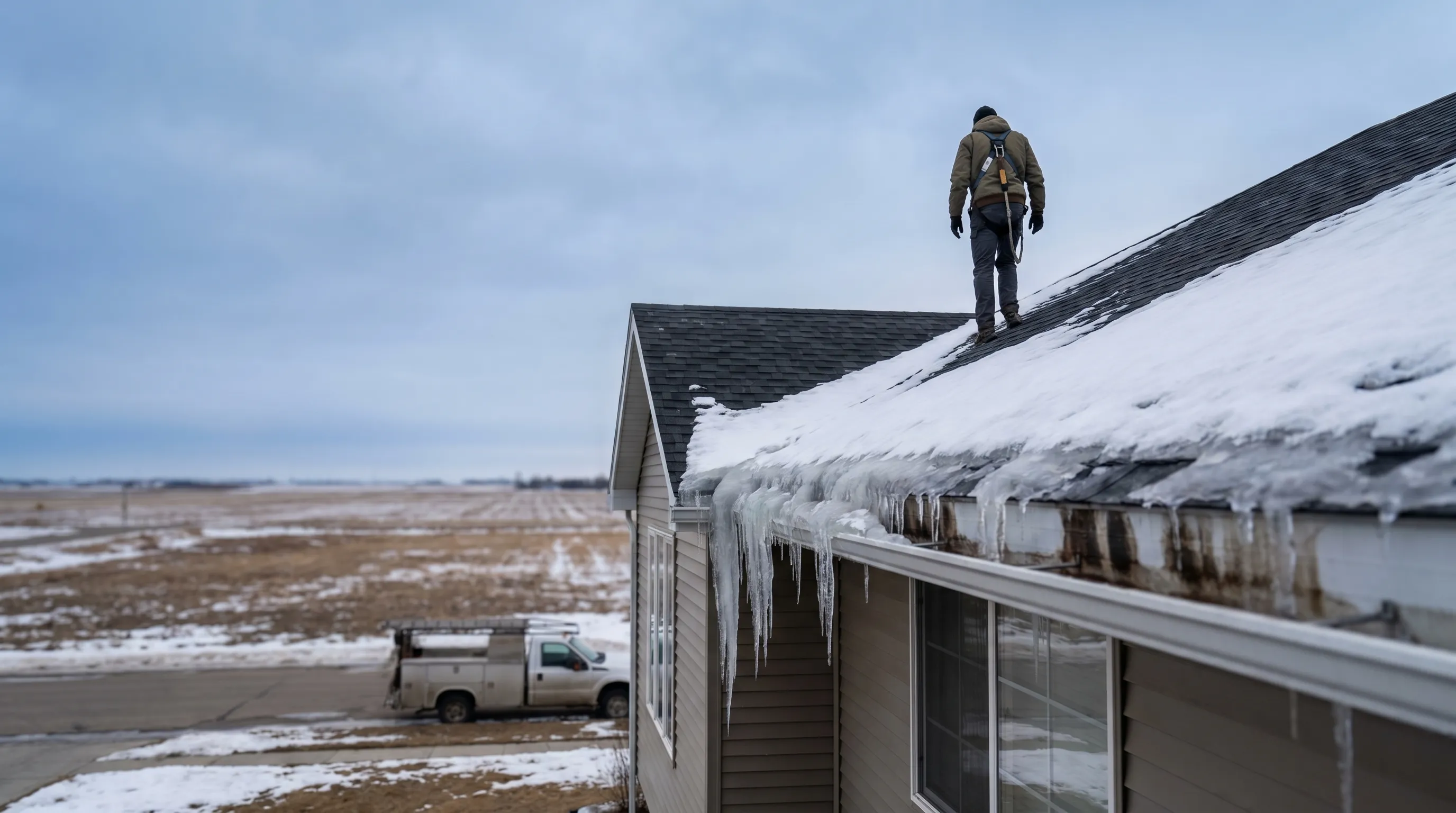
Grand Forks's extreme winters — temperatures reaching -30°F wind chill — create a distinct demand pattern that most campaigns miss entirely. The highest-conversion period for senior placement inquiries is September through November: families completing transitions before winter locks in. An aging parent who might "manage" at home in July becomes a genuine safety concern in November. The campaigns that run flat messaging and flat budgets year-round miss the moment when intent is highest — not just emotionally, but literally: a rural elderly resident alone in a farmhouse when a blizzard warning is issued generates an immediate, high-urgency family search.
In-home care agencies face a different timing dynamic: winter creates urgency for the opposite decision — families who want to keep parents at home need reliable caregiver coverage before road conditions deteriorate. The $5,690/month in-home care cost reflects the high value families place on avoiding facility placement, which means campaigns leading with "Stay Home This Winter — Personalized In-Home Care in Grand Forks" convert at higher rates during the October–January window than equivalent messaging in spring. Campaigns that don't recognize this seasonal conversion asymmetry waste budget during peak intent periods.
- Adult child searchers want emotional reassurance first, facility features second — campaign messaging must lead with trust signals
- Regional draw: 30–40% of Grand Forks senior care searches originate outside the city; extend targeting 60+ miles
- September–November is the highest-intent placement window — pre-winter urgency drives family decisions
- In-home care vs. facility placement require entirely different messaging architectures and keyword strategies
- Memory care generates the highest CPL ($80–$200) but also the highest placement value — dedicated campaign essential
Military families at Grand Forks AFB add a specific search segment: veterans seeking VA-approved home care and senior placement services. This community searches with different terminology — "VA-approved home care Grand Forks," "veteran senior services ND" — and responds to messaging that acknowledges military service. Treating this audience as generic senior care searchers misses what makes their search distinct: they have specific benefit structures and prefer providers with military community experience.
PPC Strategies That Drive Senior Care Leads in Grand Forks
Grand Forks senior services PPC delivers $3–$8 CPC — the lowest cost per click of any service category in this market — combined with a 29–34% tour-to-move-in conversion rate once families reach the touring stage. The math is compelling: at $6 average CPC, a $1,500/month campaign generates 250 clicks and, at a 5% lead conversion rate, delivers 12–13 inquiries per month. The challenge is getting the right searchers to convert — high volume means nothing if the campaign attracts general researchers instead of families in active decision mode.
Campaign Architecture: Four Tracks
Senior services campaigns in Grand Forks perform best with four distinct tracks targeting different care types and decision stages:
- Track 1 — Assisted Living Placement: "assisted living grand forks nd," "senior living grand forks," "assisted living near grand forks," "senior placement grand forks" — CPC $4–$8. Highest placement value ($2,200/month per resident). Landing page: tour scheduling CTA, safety credentials, testimonials from families, facility video if available. Budget: 35–40% of total.
- Track 2 — Memory Care: "memory care grand forks nd," "dementia care grand forks," "alzheimer's care facilities nd," "memory care near me grand forks" — CPC $5–$8. Highest intent, longest evaluation. Landing page: specialized memory care approach, family support resources, virtual tour, contact form with callback option. Budget: 20–25% of total.
- Track 3 — In-Home Care: "in-home care grand forks," "home health aide grand forks nd," "senior home care services nd," "caregiver grand forks" — CPC $3–$6. Growing segment. Landing page: care assessment offer, caregiver credentials, background check confirmation, flexible scheduling. Budget: 25–30% of total.
- Track 4 — VA/Military Care: "va-approved home care grand forks," "veteran senior care nd," "va caregiver program north dakota" — CPC $3–$5. Lower volume but highly motivated. Landing page: VA benefits acceptance confirmation, veteran-specific services, referral process. Budget: 10–15% of total.
Geographic targeting should extend to 60–90 miles from Grand Forks to capture the regional trade area: Grafton (45 miles), Devils Lake (90 miles), Crookston MN (28 miles), and Thief River Falls MN (75 miles). These searchers are committing to care in Grand Forks because options don't exist in their communities — they are highly motivated and convert at comparable rates to local searchers despite longer distances. Apply a 10–15% bid reduction for the outer ring versus city core.
Seasonal Budget Strategy
Run baseline budgets of $1,000–$1,500/month year-round, then scale to $1,500–$2,500 in September–November (pre-winter family decision season) and sustain elevated spend through January–February (winter urgency for in-home care and emergency placement decisions). The May–August window delivers lower conversion rates for facility placement (families are less urgently motivated) but higher in-home care activity as summer caregiver scheduling becomes relevant. Separate in-home care from facility campaigns so seasonal budget shifts don't force a zero-sum choice between campaign types.
Google Partner Agency
We're a certified Google Partner Agency, which means we don’t guess — we optimize withGoogle’s full toolkit and insider support.
Your campaigns get pro-level execution, backed by real expertise (not theory).

What Market Trends Should Grand Forks Senior Care Providers Know?
Grand Forks's senior services market has a structural cost advantage that few providers actively exploit in their marketing: at $2,200/month for assisted living, the city costs 35% less than the North Dakota state average ($3,391) and 51% less than the national average ($4,500). This isn't just a cost fact — it's a competitive positioning tool. Families who have been quoted national average rates by referral aggregators like A Place for Mom routinely experience sticker shock before discovering that Grand Forks pricing is fundamentally different. A campaign that leads with "Assisted Living from $2,200/Month — Below the National Average" converts researchers into tour requesters at significantly higher rates than facilities that bury pricing in brochures.
The Referral Agency Arbitrage
The senior placement industry has a largely hidden cost structure that creates direct PPC opportunity: national referral agencies like A Place for Mom and Caring.com charge facilities $300–$700 per move-in referral — compared to $40–$120 CPL for direct paid search. Facilities paying referral agencies are effectively spending 3–5x more per resident acquisition than those running direct PPC campaigns. The facilities that dominate referral platforms can be undercut on cost-per-placement by any local provider willing to run a well-structured Google Ads account. For Grand Forks senior care operators, PPC isn't just a marketing channel — it's a cost structure advantage over competitors who are dependent on national aggregator referrals.
The rural-to-urban migration pattern is accelerating in northeastern North Dakota and northwestern Minnesota. Farm families — aging operators of multi-generational agricultural operations — are consolidating into Grand Forks as advancing age makes rural life untenable. These families typically research care options during a specific trigger event (a fall, a medical diagnosis, a winter isolation incident) and convert quickly once they enter the search funnel. Their search behavior is often hyper-local: "assisted living Grafton ND" or "senior care Cavalier ND" before the search expands to Grand Forks when local options prove unavailable. Campaigns targeting rural community searches — not just Grand Forks terms — capture this audience before competitors do.
The UND Medical School Connection
Grand Forks hosts the University of North Dakota School of Medicine and Health Sciences, which maintains the city's role as a regional referral center for healthcare. UND's geriatrics and family medicine programs generate a pipeline of healthcare professionals who become trusted referral sources for senior care. In-home care agencies and memory care facilities that build relationships with UND Health clinics and Altru Health System — the city's dominant 3,100-employee health system — access a referral stream that no amount of PPC spend can replace. Campaigns should include retargeting for website visitors who came from healthcare referral sources (tracked via UTM parameters) and should maintain consistent brand presence in the searches that Altru patients and UND Health patients conduct when researching next-step care options.
- $2,200/month assisted living cost is a direct competitive advantage vs. national averages — use it explicitly in ad copy
- Referral agency CPL ($300–$700) vs. PPC CPL ($40–$120) creates a 3–5x cost advantage for direct advertising operators
- Rural search expansion: "senior care Grafton ND," "assisted living Devils Lake" — capture families before they reach Grand Forks search terms
- Altru Health System and UND Health referrals — build brand presence in searches made by patients already within the Altru/UND ecosystem
The 65+ demographic in Grand Forks is growing. The current 14.3% share of residents aged 65+ is projected to increase as the large baby boomer cohort ages into assisted living consideration range over the next 7–10 years. The operators who build PPC presence, review equity, and referral relationships now will face lower CPCs and higher brand familiarity when the demand surge arrives — a structural advantage that facilities starting PPC in 2030 won't be able to buy their way into quickly.
Why Grand Forks Senior Care PPC Requires a Market-Specific Approach
Senior services PPC in Grand Forks is not a category where generic healthcare templates perform. The city's unique combination — extreme winter urgency, regional hub role for a 170,000-person trade area, military veteran population, and a pricing structure significantly below national benchmarks — requires campaign architecture built around Grand Forks-specific conversion triggers. A campaign optimized for assisted living in a mid-sized Sunbelt city will miss the pre-winter urgency window, the rural expansion targeting, and the VA-approved care segment that define this market's actual search behavior.
MB Adv Agency builds Grand Forks senior care campaigns around four-track architecture — assisted living, memory care, in-home care, and VA/military segments — each with dedicated landing pages, seasonal budget adjustments, and conversion tracking tuned to tour bookings and care assessments rather than generic form fills. We extend geographic targeting to capture the regional trade area that represents 30–40% of Grand Forks senior care demand, and we run pre-winter budget scaling that captures the September–November placement decision window before competitors exhaust available ad inventory.
Learn more about our PPC lead generation services for care providers, review our pricing tiers, or visit the Grand Forks PPC service page to discuss what the market's $3–$8 CPC range translates to in tours and move-ins at your target budget.

Frequently Asked Questions
How much does senior services PPC cost in Grand Forks, ND?
Senior services PPC in Grand Forks runs at $3–$8 CPC — the lowest cost-per-click of any major service category in the market. At $5 average CPC, a $1,000/month starter budget generates 200 clicks. With a 5–7% click-to-lead conversion rate for well-structured landing pages, that produces 10–14 inquiries per month at a CPL of $71–$100 for assisted living placements and $40–$80 for in-home care leads. Memory care campaigns run slightly higher at $5–$8 CPC due to competitive intensity, but generate CPL of $60–$150 against placement values of $2,200–$5,690/month. Against the national referral agency cost of $300–$700 per move-in referral, direct PPC delivers a 3–5x cost-per-acquisition advantage for operators who build their own campaign infrastructure. A $1,500/month campaign targeting assisted living and in-home care simultaneously generates 25–35 inquiries per month in the Grand Forks market under normal seasonal conditions, rising to 35–50 during the September–November pre-winter urgency window.
Budget recommendations by provider type: single-location assisted living facility — $1,000–$1,500/month covering placement and memory care campaigns; in-home care agency — $800–$1,200/month baseline, scaling to $1,500–$2,000 September through January; multi-service senior care operator (facility + home care) — $2,000–$3,500/month for full four-track coverage including VA/military and regional geographic expansion. Separate campaign budgets for facility placement and in-home care so seasonal shifts don't force trade-offs between campaign types during peak demand periods.
How do I target adult children researching senior care in Grand Forks?
Adult children researching senior care for a parent in Grand Forks use different search behavior than direct consumer searches in other industries. The typical searcher is a 45–60-year-old making a high-stakes, emotionally charged decision — often from a distance, often triggered by a specific event (fall, medical episode, winter isolation concern). Effective targeting combines keyword intent with audience demographic signals: in-country search campaigns targeting 40–65-year-olds, with location expansion to cover the regional 60-mile trade area, and ad scheduling weighted toward evening hours (7 p.m.–10 p.m.) when adult children do care research after work. Keywords that match the triggering-event mindset convert best: "assisted living grand forks nd" is adequate, but "assisted living placement help grand forks" and "how to choose senior care grand forks" capture the searcher who is further into the decision process and more likely to request a tour consultation. Lead with safety, trustworthiness, and the care assessment offer — not facility amenities — because the first question the adult child searcher is answering is trust, not logistics.
For the regional audience (families outside Grand Forks researching facilities for rural parents), create a dedicated campaign targeting searches from the surrounding 60-mile radius with messaging that acknowledges the distance: "Grand Forks Assisted Living — Serving Families Across Northeastern ND and NW Minnesota." These searchers convert at similar rates to local searchers but require slightly more social proof and geographic orientation. Include a Google Business Profile extension showing the Grand Forks address and "Serving: Grafton, Devils Lake, Crookston, Thief River Falls" in the ad copy. On landing pages, emphasize the city's role as a regional care hub and the specific amenities that justify the drive — this reduces the friction that distance creates in the family's evaluation process.
- Demographic targeting: Adults 40–65, with in-market audience "Assisted Living and Senior Care" overlay applied
- Peak research hours: Evening (7–10 p.m.) and weekend morning (9 a.m.–noon) — ad scheduling reflects this
- Regional expansion: 60-mile radius targeting with messaging acknowledging regional draw, 15% bid reduction for outer ring
- Landing page rule: Tour scheduling CTA above the fold; safety and trust signals visible without scrolling; phone number click-to-call prominent