Water Damage Restoration PPC Duluth, MN
Duluth's Lake Superior climate — 86 inches of annual snowfall, spring snowmelt flooding, and nor'easter storm surges — creates one of the most concentrated water damage markets in the Upper Midwest. With the average insurance-driven restoration job paying $13,954 and the response window measuring 24 hours before remediation costs multiply, Google Ads campaigns built for Duluth's emergency search patterns generate leads that convert immediately and close at the highest job values in the home services category.
Why Do Water Damage Restoration PPC Campaigns Fail in Duluth?
Water damage restoration is one of the most time-critical markets in local PPC — and one of the most commonly mismanaged. When a Duluth homeowner finds water in their basement at 2am during the spring snowmelt, they are not browsing five options and comparing reviews. They search once, call the first credible result, and expect someone to answer. Campaigns that don't run 24/7, don't have click-to-call as the primary conversion action, and don't serve ads during overnight and weekend hours miss the exact moments when emergency call intent is highest and competition from national call centers is weakest.
The Three Damage Mechanisms That Drive Duluth's Market
Duluth's water damage demand is driven by three distinct mechanisms that operate on different seasonal timelines and require different keyword and campaign strategies to capture. Understanding all three — not just the most obvious — determines whether a restoration campaign generates leads year-round or only during peak spring weeks.
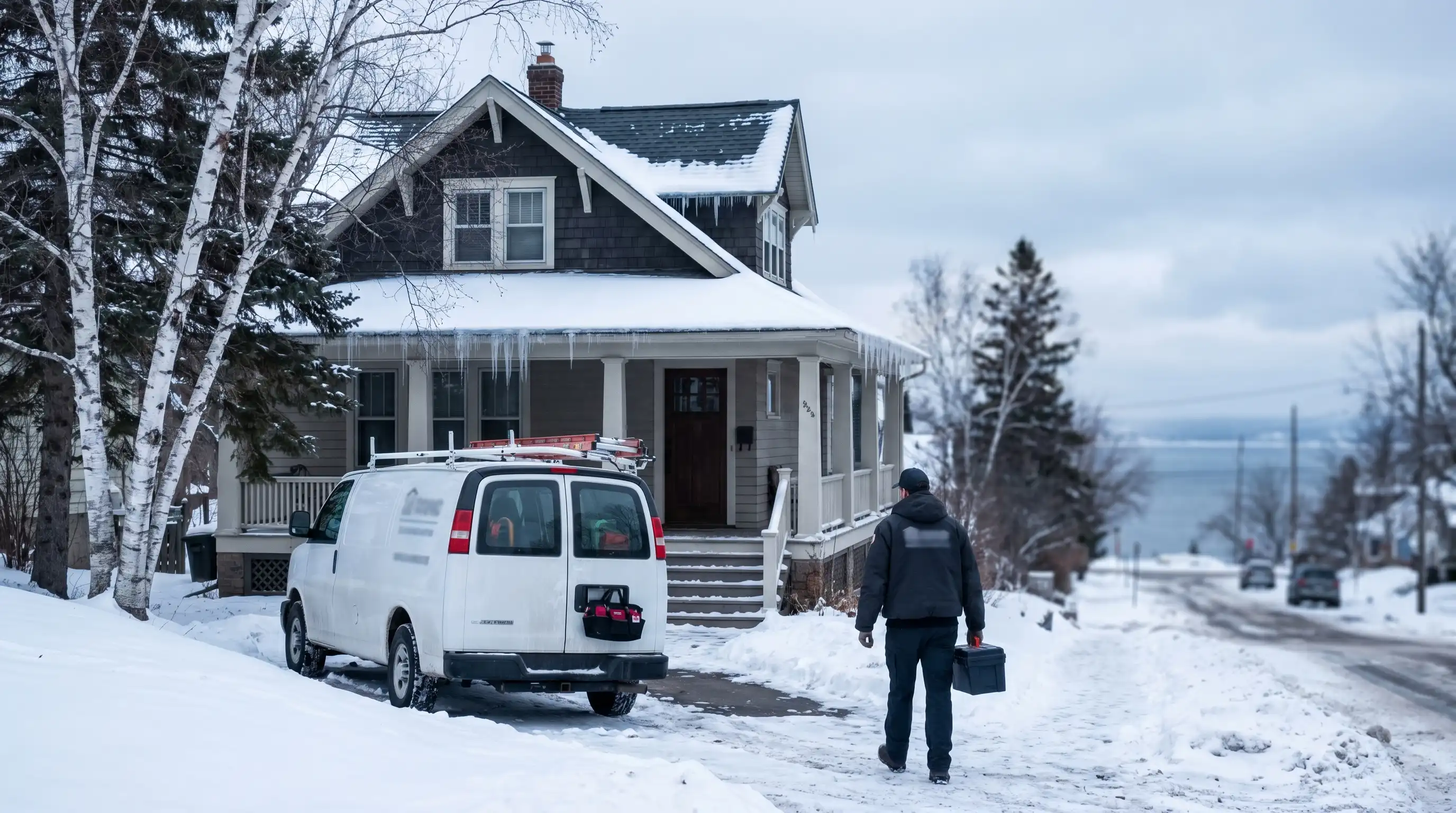
First: ice dam infiltration. When heat escapes from poorly insulated attic spaces in Duluth's extreme winters, snow on the roof melts and refreezes at the eave line, building a dam that forces meltwater up and under shingles. Water enters ceiling cavities and wall assemblies slowly over weeks — producing water stains, mold colonies, and insulation damage that homeowners discover in January or February. These homeowners search "water leak through ceiling duluth," "ice dam water damage repair," or "mold from ice dam" in midwinter — months before the spring snowmelt rush.
Second: snowmelt basement flooding. Duluth's steep hillside topography funnels snowmelt directly toward residential foundations each April and May. The city's older housing stock — many homes built between 1900 and 1940 — has aging drainage systems and foundation waterproofing that cannot handle the concentrated spring runoff. Basement flooding searches spike sharply in April: "basement flooding duluth," "water in basement duluth mn," "snowmelt flood cleanup." These are the highest-volume emergency searches of the year in this category.
Third: Lake Superior storm surges. Spring and fall nor'easters push wind-driven rain horizontally against older, less-sealed building envelopes across the Duluth harbor and hillside neighborhoods. These storms arrive with little warning and produce water infiltration through windows, walls, and rooflines simultaneously. Emergency searches following these events are acute — a homeowner who has never experienced water damage is searching in panic, converting in minutes, and calling the first result who answers.
Where National Franchises Win and Where They Don't
The Duluth water damage market has significant national franchise presence. Paul Davis Restoration Northland advertises a 30-minute response window. PuroClean Duluth operates with national brand infrastructure and certified mold remediation teams. Loyear Disaster Restoration — in the market since 1946 with BBB A+ and Angi Super Service Award credentials — is the dominant local legacy operator. Dryco Restoration Services and North Shore Restore (1-hour response guarantee) are strong local competitors with fast response positioning.
National franchises have PPC infrastructure — but their campaigns are regional, not locally-optimized. Their ad copy says "fast response" and "24/7" generically. A locally-optimized campaign that speaks specifically to "ice dam water damage duluth," "spring flooding cleanup duluth harbor," or "superior wi water damage restoration" outperforms franchise campaigns on relevance scores — which drives lower CPCs for the same top-of-page placement.
Emergency keywords in this category run $40–$80 CPC. At an average insurance claim value of $13,954, even a $300 CPL delivers a 46:1 return — and Duluth's smaller market keeps CPL well below that ceiling.
Water Damage Restoration PPC Strategies That Win in Duluth
Effective restoration PPC in Duluth runs on three campaign tracks that cover the three distinct damage seasons — each with its own keywords, ad copy, and budget weight. Blending all restoration keywords into a single always-on campaign produces mediocre performance across all three windows instead of dominant performance in each.
Campaign Track 1: Ice Dam Emergency (December–March)
The midwinter campaign targets homeowners with active ice dam damage — a problem that surfaces months before spring. This is a lower-volume but high-intent window: searchers have an active water infiltration problem right now and need a certified remediation firm. Ad copy leads with the damage mechanism: "Ice Dam Water Damage in Duluth? We Stop the Leak and Restore the Damage." Campaigns run 24/7 but weight budget toward evening hours when homeowners are home and discovering damage.
- Ice dam damage keywords: "ice dam water damage duluth," "water leaking through ceiling duluth," "roof ice dam leak repair" — CPC $40–$65
- Mold and moisture keywords: "mold from ice dam duluth," "mold remediation duluth mn," "water damage mold cleanup" — CPC $35–$60
- Local Services Ads (LSAs): Google Guaranteed badge reduces lead cost to $35–$100 CPL in this category; run LSAs alongside search to maximize SERP coverage during emergency periods
Campaign Track 2: Snowmelt and Spring Flooding (March–June)
The highest-volume period of the year for Duluth restoration PPC. Budget allocation in this campaign should be the heaviest in the restoration account — 50–60% of annual spend concentrated into 90 days. Emergency response time is the primary conversion driver: ad copy that includes a specific response commitment ("We're On-Site in 60 Minutes") outperforms generic "water damage duluth" messaging by 40–60% on CTR. Landing pages must display a phone number above the fold with click-to-call as the primary CTA — form submissions convert at 3–5%; phone calls convert at 15–25% in emergency water damage.
Insurance claim navigation is the key differentiator in this window: "We work directly with your insurance adjuster — no out-of-pocket upfront" is a conversion-critical claim that reduces friction for homeowners who don't know whether their policy covers the damage. Framing this on the landing page — with specific reference to working with State Farm, Allstate, and Farmers — builds trust with the exact customer segment that needs to act fastest.
Campaign Track 3: Storm Surge and Year-Round Emergency
Lake Superior storm events are unpredictable but consistent across fall and spring. Running an always-on emergency search campaign at a baseline budget of $1,500–$2,000/month through the non-peak months — supplemented with Performance Max for visual coverage — keeps the contractor in the search results when an unexpected storm or pipe burst produces emergency searches outside peak season. The ROI on these leads is the highest in the account because off-peak CPCs run 20–35% lower than spring peak rates and competition from franchise operators running only seasonal campaigns is reduced.
- Storm damage keywords: "water damage duluth," "emergency water removal duluth mn," "flood cleanup duluth" — CPC $45–$80
- Insurance navigation keywords: "water damage insurance claim duluth," "does homeowners insurance cover flooding mn" — CPC $30–$55
Google Partner Agency
We're a certified Google Partner Agency, which means we don’t guess — we optimize withGoogle’s full toolkit and insider support.
Your campaigns get pro-level execution, backed by real expertise (not theory).

What Market Trends Should Duluth Water Damage Companies Know?
Four structural factors make Duluth's water damage restoration market more active than the national average — and understanding them provides the data foundation for campaigns that capture seasonal demand before competitors react.
Housing Stock Age Amplifies Vulnerability
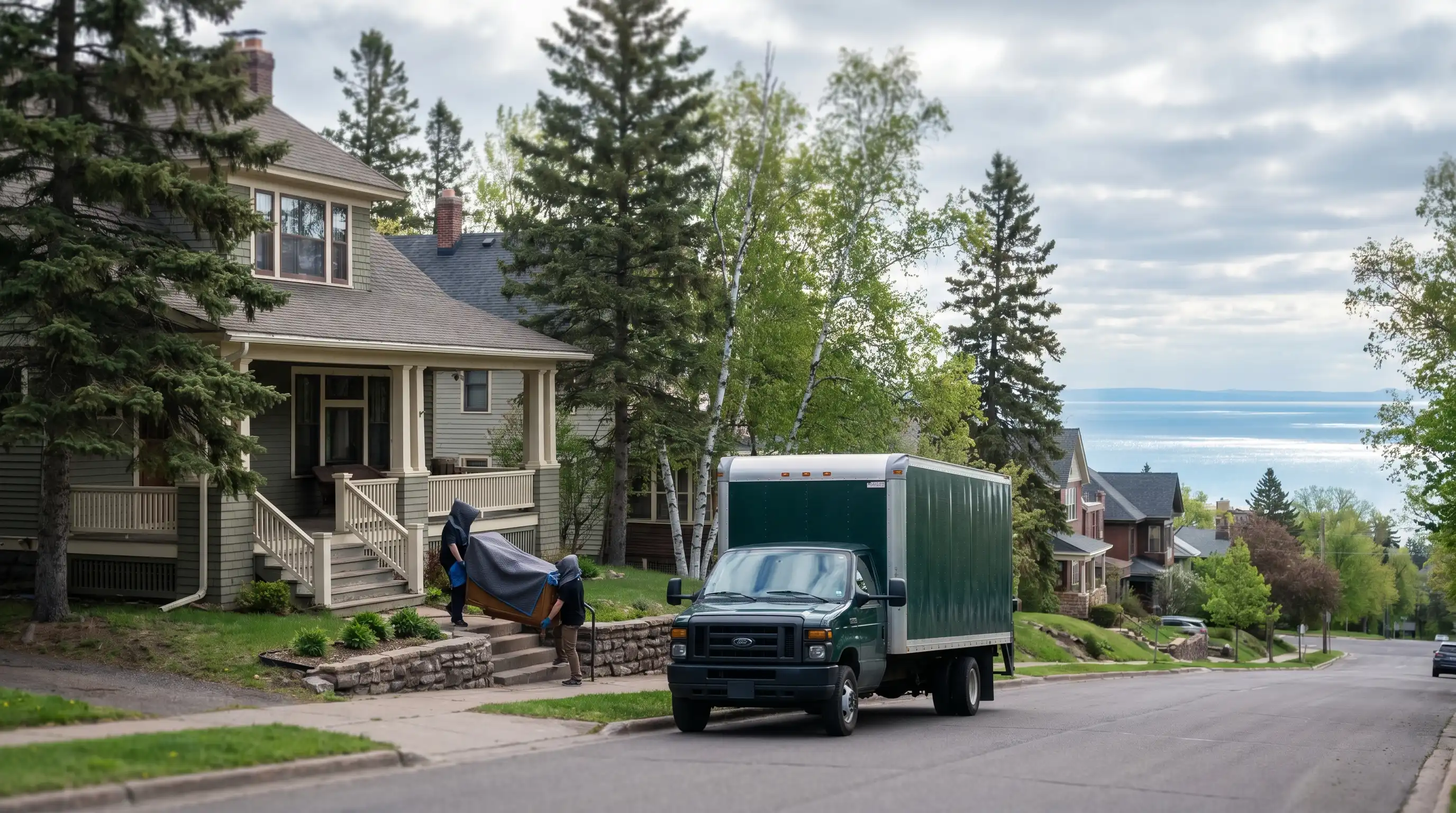
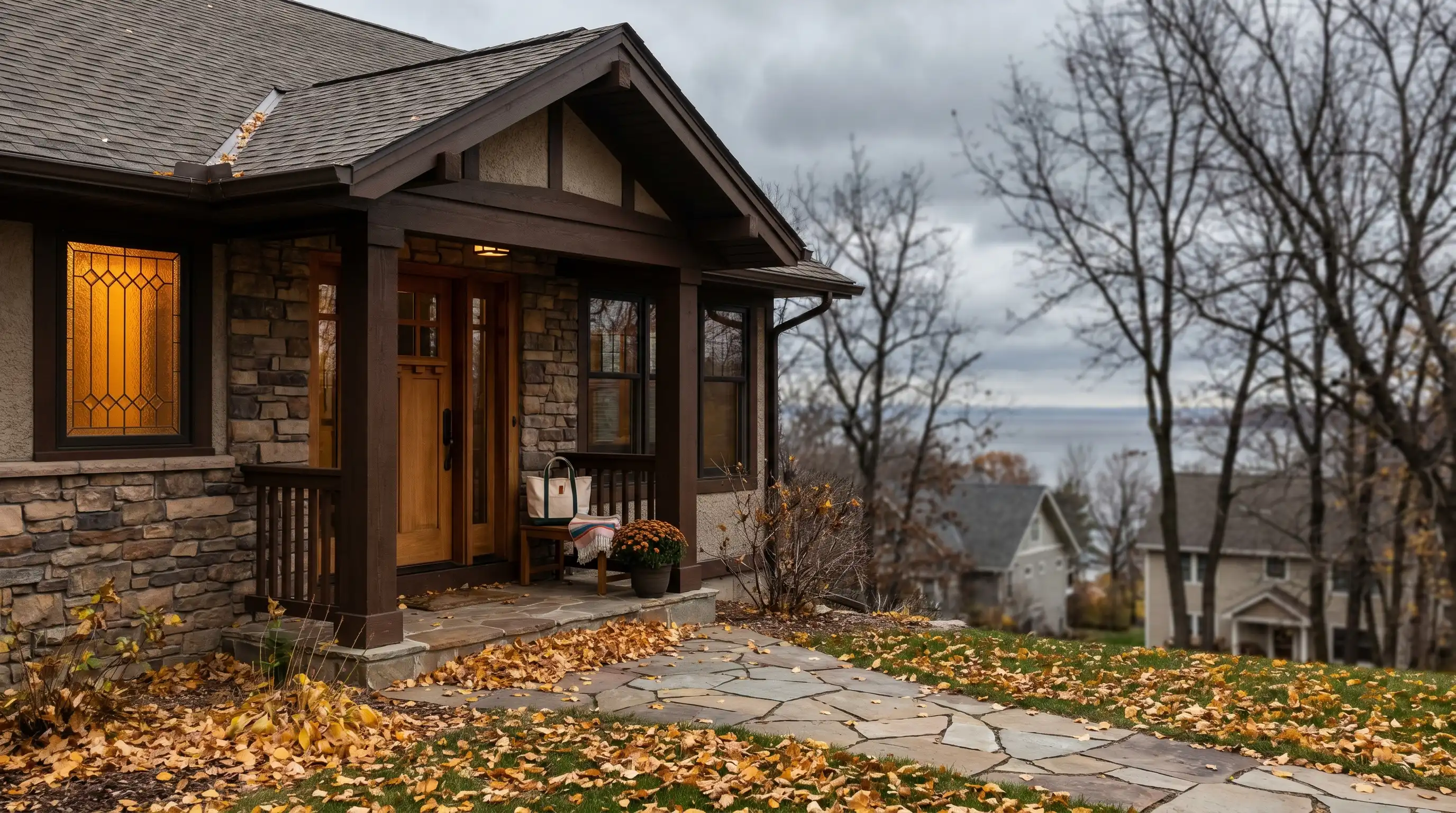
Duluth's craftsman neighborhoods contain some of the oldest housing stock of any Upper Midwest city of comparable size. Homes built between 1900 and 1940 — common throughout the hillside districts — have foundation drainage systems, window seals, and plumbing infrastructure that is 80–120 years old. The national average water damage claim rate is approximately 1 in 60 insured homes annually. Duluth's combination of extreme snowfall (86 inches average), steep topography that concentrates snowmelt runoff, aging infrastructure, and Lake Superior storm exposure pushes the local incident rate measurably above that national baseline.
Key insight: The highest-value jobs in this category — complete basement remediation, mold abatement, and structural drying — come from homes where delayed response allowed secondary damage to develop. Insurance claim payouts average $13,954 nationally, but complex cases in older homes with aging materials and limited access often run $25,000–$50,000. Campaigns that capture homeowners at the point of initial emergency — before they wait and worsen the damage — win the most valuable jobs.
Response Time Is the Only Metric Homeowners Care About
In the water damage category, the decision to hire is not primarily a price decision or even a quality decision — it is a response time decision. The IICRC (Institute of Inspection, Cleaning and Restoration Certification) documents that water damage enters the secondary damage phase (mold colonization, structural deterioration) within 24–48 hours. Homeowners experiencing active flooding know this intuitively. They call the contractor who answers first and commits to an on-site arrival time, not the contractor with the most reviews or the lowest price estimate.
This reality has a direct implication for PPC structure: campaigns must run 24/7, phone calls must be answered live (not routed to voicemail), and ad copy must include a specific response commitment. Competitors who run business-hours-only campaigns — including several national franchise operators who route after-hours calls to regional call centers — lose emergency jobs to local contractors who answer the phone at 3am. This is the single biggest competitive advantage a local restoration firm can claim in Google Ads.
The spring peak for Duluth — March through June — aligns with state-wide snowmelt patterns. Monitoring the National Weather Service 10-day forecast for Duluth and pre-loading bid adjustments before forecast snowmelt events ensures campaigns are at peak spend the day before homeowners start flooding, not two days after.
Why Duluth Water Damage Companies Need Local PPC Expertise
Running water damage restoration PPC profitably in Duluth requires building campaigns around three seasonal damage mechanisms — not a generic "water damage" keyword list. The ice dam window, the snowmelt window, and the year-round emergency base each require different bidding strategies, different ad copy, and different landing page messaging. A campaign built from national templates without this structure either overspends in the off-season on low-intent traffic or misses the spring peak because the budget was exhausted in February on generic keywords.
MB Adv Agency's lead generation PPC service includes full seasonal campaign structuring — we build the ice dam campaign, the snowmelt emergency campaign, and the year-round base layer as distinct components, each with its own budget, bidding logic, and landing page. Our clients in comparable emergency services markets achieve ROI of 10:1–17:1 at campaign maturity — consistent with industry benchmarks for optimized restoration PPC.
The 24/7 call handling requirement is something we address in campaign setup, not just in keyword targeting: we configure ad scheduling to match your actual answering hours, set bid adjustments that increase spend during your highest-conversion time windows, and build call extension configurations that route emergency calls to the fastest-responding team member.
Visit our Duluth PPC services page or review our pricing to start building a restoration campaign timed to Duluth's damage seasons.
Frequently Asked Questions
How Much Does Water Damage Restoration PPC Cost in Duluth, MN?
Water damage restoration PPC in Duluth costs between $3,000 and $7,000 per month in ad spend during peak season (March–June) for a campaign that covers emergency search, Local Services Ads, and snowmelt-specific keywords. Emergency keywords run $40–$80 CPC on the highest-intent terms, with top national competitive benchmarks reaching $91–$250 CPC in the most aggressive metro markets — Duluth, as a smaller market, stays toward the lower end of that range. Average cost per lead from Google Search Ads runs $100–$300, while Local Services Ads (Google Guaranteed) deliver leads at $35–$100 CPL — the most cost-efficient channel in this category. At an average insurance claim value of $13,954 per job, a CPL of $200 still delivers a 70:1 gross return on the ad investment. Established restoration campaigns in comparable markets achieve ROI benchmarks of 10:1–17:1 on total monthly ad spend at maturity.
The blend of Google Search Ads and Local Services Ads is the optimal channel mix in restoration PPC: Search Ads capture high-volume keyword traffic with full creative control, while LSAs' Google Guaranteed badge provides a trust signal that emergency searchers respond to strongly. Running both simultaneously maximizes SERP coverage — the contractor appears in both the LSA badge block at the top of the page and the text ad block below it, occupying two positions in the results and reducing the likelihood that a competitor captures the click.
Off-peak months (July–February) require a maintenance budget of $1,500–$2,000/month — enough to capture storm-event emergency traffic and maintain Quality Scores so the spring ramp doesn't require a full re-learning phase.
How Long Before Water Damage Restoration PPC Generates Leads in Duluth?
A water damage restoration PPC campaign in Duluth generates its first leads within 24–48 hours of going live, provided emergency keywords are active, ads run 24/7, and the landing page displays a phone number prominently above the fold with a live call-answering commitment. Emergency restoration is one of the fastest-converting PPC categories precisely because the purchase decision is immediate: a homeowner with water in their basement at midnight has no consideration cycle. They call the first credible result who answers. A properly configured account with click-to-call extensions, 24/7 ad scheduling, and landing pages optimized for mobile devices (where 70%+ of emergency searches occur) converts within minutes of the first traffic arriving. The first lead can arrive within hours of campaign activation during active storm events.
The critical timing issue in Duluth is seasonal front-loading. Campaigns should be live by February 15 — not March — to build Quality Scores, optimize ad scheduling, and capture early-season ice dam damage traffic before the spring snowmelt surge begins in April. Campaigns launched in April compete in a fully priced market where competitors have been running since February; campaigns launched in February build a cost and Quality Score advantage that lasts through the entire spring season.
Long-term performance benchmarks: blended CPL under $150 across all emergency categories within 60 days, with LSA leads running under $75 CPL. Campaign ROI reaches the 10:1–17:1 industry benchmark for established restoration accounts at 90+ days of running, as negative keyword refinement, ad schedule optimization, and landing page improvements compound to lower CPL and improve conversion rates simultaneously.