HVAC PPC Cincinnati, OH
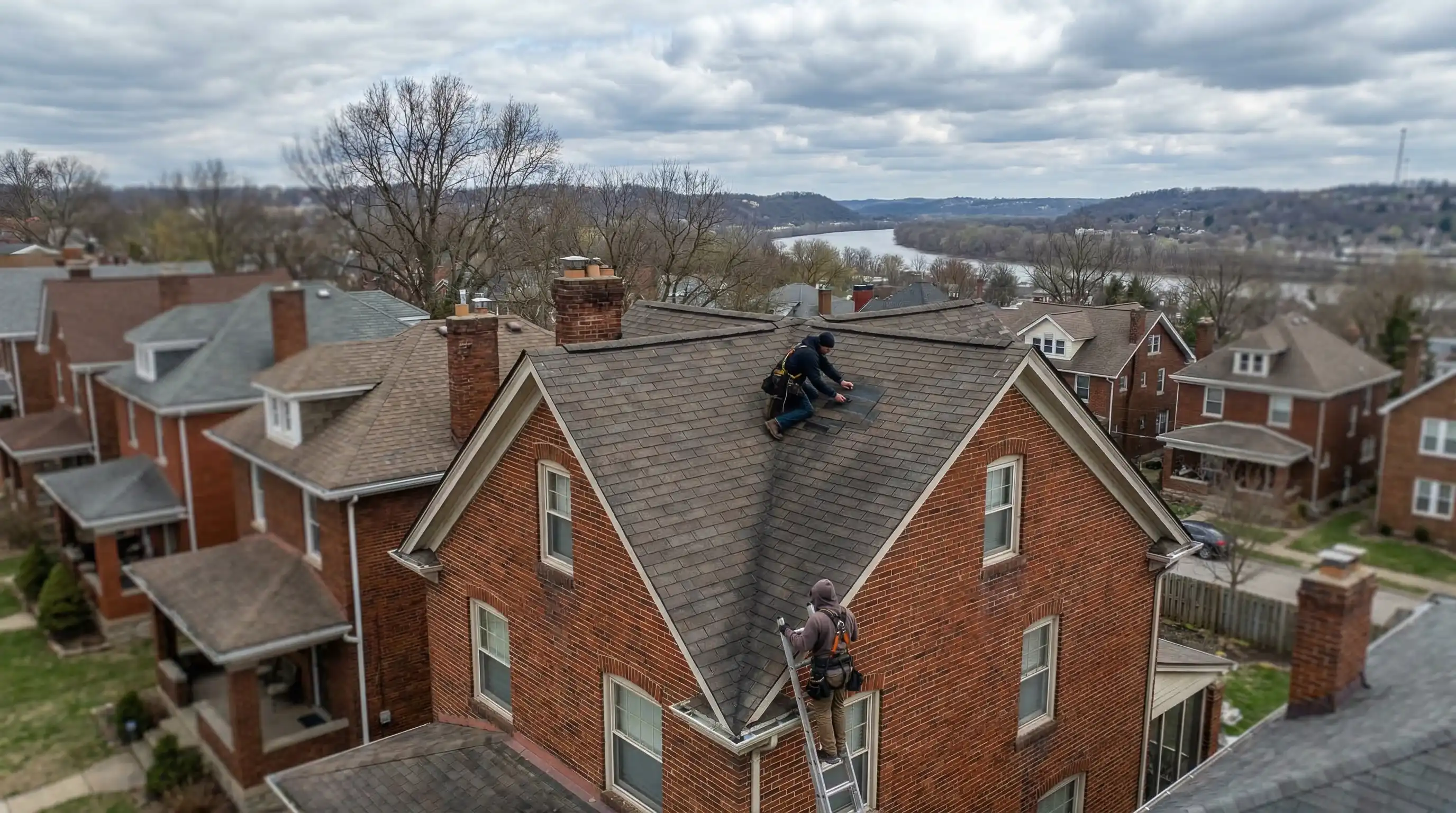
Cincinnati's 40% pre-1939 housing stock—the highest concentration of aging HVAC systems of any major US metro—means demand for furnace replacements, R-22 refrigerant retrofits, and emergency AC repair is structural, not seasonal. With dual-climate pressure (85°F+ summer heat index, 26°F January lows) and over 800 HVAC SMBs competing for the same high-intent searches, the difference between a winning campaign and wasted ad spend comes down to how well your PPC strategy maps to Cincinnati's specific market reality. <!-- stats-article-link --> <p><em>See how this city's Hvac PPC costs compare nationally in our <a href="/resources/hvac-ppc-statistics">Hvac PPC Statistics</a> report, featuring data from 40+ US cities.</em></p>
The Apollo Home Problem: Competing Against a Century of Brand Equity
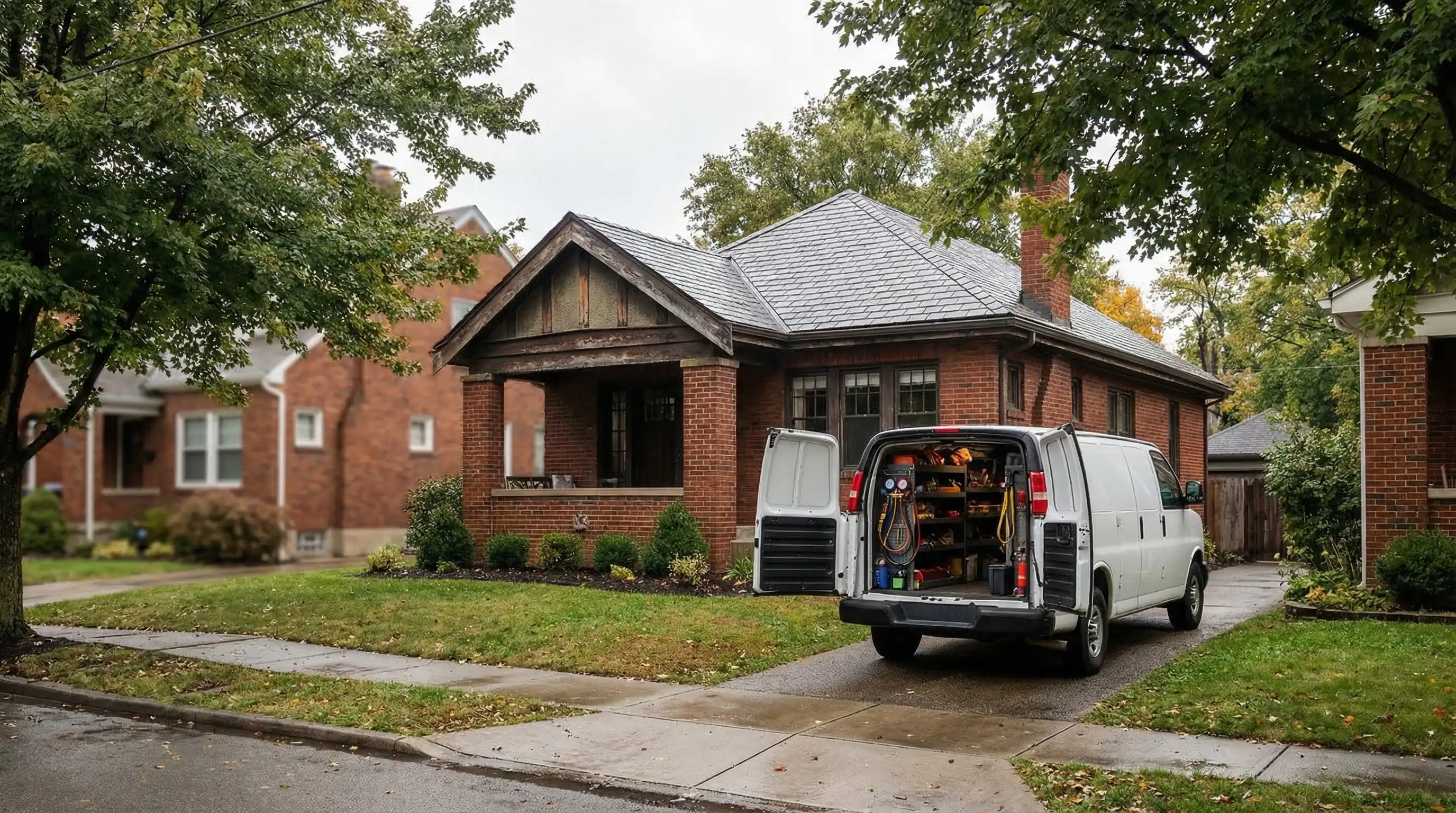
Cincinnati's HVAC market has a 112-year-old ceiling. Apollo Home, founded in 1910 and serving the metro from its base at 4538 Camberwell Road, operates as a full-service HVAC, plumbing, and electrical company with the kind of brand recall that smaller operators can't buy. When someone's furnace dies at 2 AM in January, Apollo's name recognition converts browsers into calls before competitors even get a chance. That's the first challenge Cincinnati HVAC campaigns face: carving out territory in a market where the dominant brand has a century of equity.
The second layer is market fragmentation. Expertise.com's March 2026 survey of Cincinnati HVAC providers reviewed 93 companies, curated 62, and ultimately named only 17 top picks — including Watkins Heating & Cooling (26+ years, Springboro OH), Bartels Heating & Cooling Inc. (est. 1973, Hamilton OH), Corcoran & Harnist (30+ years, 1457 Harrison Ave), and Cincy Climate Control LLC (BBB A+, serving Hamilton/Clermont/Warren counties). The BBB alone lists 5,728 HVAC providers across the tri-state area. That's a brutally crowded upper funnel.
The R-22 Retirement Angle Most Campaigns Ignore
What most Cincinnati HVAC campaigns completely miss is the R-22 phase-out opportunity. The EPA banned R-22 refrigerant production in 2020. Any Cincinnati homeowner running a pre-2010 central air system is sitting on equipment that cannot be repaired with new refrigerant — they can only be recharged with reclaimed R-22 at premium prices, or replaced entirely. Given that 40% of Cincinnati homes predate 1939, the percentage of the housing stock still running R-22 systems is significant. Campaigns targeting "R-22 replacement Cincinnati" or "old AC unit Cincinnati" reach homeowners who already understand they need to act — not homeowners who might need a tune-up.
CVR drops sharply when campaigns target broad HVAC awareness terms and spike when they hit high-urgency replacement intent. That's the structural campaign challenge in Cincinnati: getting granular enough with intent signals to separate the emergency call from the "maybe someday" browser. Generic "HVAC Cincinnati" terms see CPCs of $9–$14 with 6.5–8.0% CVR at the mid-market level. Emergency and replacement-intent keywords push CPCs 20–30% higher in peak season, but the lead quality justifies the premium.
Cincinnati's geographic reality adds another variable: the tri-state market (OH/KY/IN) expands the competitive radius. Northern Kentucky suburbs — Florence, Erlanger, Fort Mitchell, Covington — are active HVAC markets that many Cincinnati-based operators serve but few campaigns specifically target. Leaving NKY as a default secondary geo rather than a primary targeting tier means paying Cincinnati-level CPCs for leads that don't convert as cleanly as hyper-local searches.
Finally, the seasonality curve in Cincinnati is sharper than most markets assume. The city isn't just a cold-climate HVAC market — it has genuine dual-season demand. Summer heat index above 90°F from June through August drives AC emergency calls that convert the same day. The January–February freeze window (average January low: 26°F, with hard freeze events through March) drives furnace failures that trigger $3,000–$8,000 replacement decisions within 24 hours. Campaigns that don't budget for both peaks leave a significant revenue window uncaptured.
Cincinnati HVAC PPC requires a campaign architecture that separates the emergency funnel from the planned-replacement funnel — they have different keywords, different landing pages, and different bidding strategies.
Campaign Structure by Intent Layer
- Emergency tier: "emergency HVAC Cincinnati," "furnace repair same day Cincinnati," "AC not working Cincinnati" — CPCs $12–$20, CVR 8–12%, target 24/7 call extension
- Replacement tier: "furnace replacement Cincinnati," "AC unit replacement Cincinnati," "new HVAC system Cincinnati," "R-22 refrigerant replacement Cincinnati" — CPCs $10–$16, CVR 6–9%, landing page must show financing options
- Maintenance tier: "furnace tune-up Cincinnati," "AC maintenance Cincinnati," "HVAC service contract Cincinnati" — CPCs $7–$11, CVR 4–7%, lower ticket but generates ongoing service relationships
- Neighborhood tier: "HVAC Hyde Park," "furnace repair Clifton," "AC repair Blue Ash," "HVAC Mason OH" — CPCs often 15–25% below broad Cincinnati terms; higher intent signal from local specificity
- R-22 phase-out tier: "old AC unit replacement Cincinnati," "R-22 system upgrade Cincinnati" — lower volume but near-100% replacement intent; CPCs $10–$14
Bidding strategy matters as much as structure. Emergency campaigns run on maximize conversions with a target CPA — during freeze events and July heat spikes, volume matters more than efficiency. Planned-replacement campaigns benefit from target ROAS bidding once the account has 30+ conversions, since average job value is measurable and consistent. Maintenance campaigns run on manual CPC with monthly bid adjustments to keep CPL below the $120–$155 threshold where the job economics still work.
Seasonal Budget Allocation
- Q2 (Apr–Jun): Pre-season ramp. Budget 115% of base. AC maintenance and pre-summer tune-up campaigns front-load quality score for Q3.
- Q3 (Jul–Aug): Peak AC emergency season. Budget 140–160% of base. Emergency campaigns prioritized. CPCs highest of year — justify with call volume data.
- Q4 (Oct–Nov): Furnace season. Budget 120% of base. Shift budget from AC to heating keywords starting October 1.
- Q1 (Jan–Feb): Freeze emergency window. Budget 110% of base. Short bursts during extreme cold events — increase dayparting budget caps for overnight hours when furnace failures peak.
Ad copy in Cincinnati HVAC converts best when it leads with speed and specificity. "Same-day service in Hyde Park and Clifton" outperforms generic "Cincinnati HVAC" copy because it signals local presence and fast response simultaneously. Including the service area — and updating it seasonally — lifts CTR by 15–20% compared to brand-only copy.
Call extensions and location extensions are non-negotiable. Over 65% of emergency HVAC conversions happen via phone call, not form fill. Campaigns without call extensions running during peak hours are leaving the highest-value conversions uncaptured. Set call extensions to active 24/7 with a clear tracking number to measure call volume against spend.
Google Partner Agency
We're a certified Google Partner Agency, which means we don’t guess — we optimize withGoogle’s full toolkit and insider support.
Your campaigns get pro-level execution, backed by real expertise (not theory).

Cincinnati's Pre-1939 Housing Stock: The Hidden PPC Multiplier
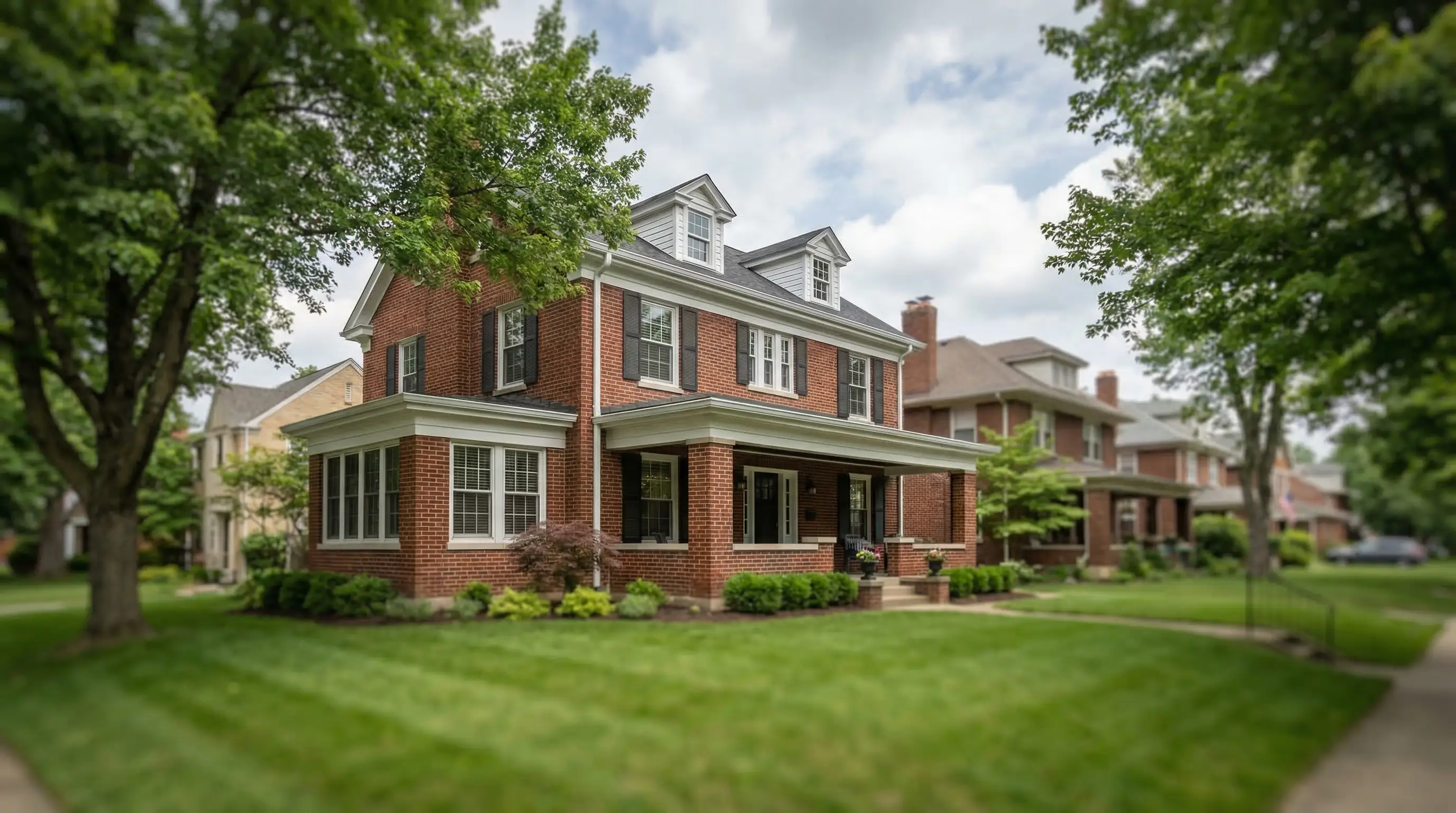
The stat every Cincinnati HVAC operator knows but few campaigns actively exploit: 40.26% of Cincinnati homes were built before 1939. No comparable metro in the US has this concentration of pre-war housing stock still occupied as primary residences. The implications for HVAC demand aren't cosmetic — they're structural.
Pre-1939 homes were built before central HVAC was standard. Many were originally heated by radiator systems or gravity furnaces, then retrofitted with forced-air systems in the 1950s–70s. Those retrofit systems are now 50–70 years old — well past their expected lifespan. The homeowners who bought these homes in the 1990s–2000s, when the retrofit equipment still had useful life, are now facing replacement decisions en masse. The replacement wave is happening now, not in 10 years.
This creates a PPC dynamic that's different from newer-market cities. In Dallas or Phoenix, HVAC campaigns compete on brand and price because most homes have similar-vintage, similar-capacity systems. In Cincinnati, a campaign that speaks specifically to aging-system replacement — boiler conversions, R-22 retirements, ductwork replacements for homes that never had proper duct runs — captures intent that generic HVAC ads can't address.
The Dual-Climate Demand Window
Cincinnati's location on the humid subtropical/continental border produces a dual-season revenue profile that Sun Belt HVAC markets can't match. Phoenix campaigns run year-round on AC. Minneapolis campaigns run year-round on heating. Cincinnati campaigns run meaningful volume on both — AC emergencies from June through August and heating emergencies October through February. That's effectively eight months of high-intent, high-CPC demand, with only October and April as genuine slow months.
The implication for campaign budgeting is that Cincinnati HVAC operators have more revenue opportunity per dollar of managed spend than single-climate markets, but only if campaigns are actively managing the seasonal shift. An operator who runs the same campaign configuration year-round loses the edge in both peak windows — AC copy runs during furnace season, heating ads appear during July heat waves. The conversion signal gets muddied, quality score drifts, and CPCs climb without a corresponding lift in lead quality.
Key insight: Cincinnati's dual-season profile means a well-managed $3,000/month HVAC campaign can realistically generate 20–35 qualified leads per month across the full year, with June–August and October–November each delivering 40–60% above average monthly volume. Operators who don't budget for these peaks consistently underperform their market potential.
The Northern Kentucky angle adds a third layer. Florence, Erlanger, Fort Mitchell, and Covington are active HVAC markets with housing stock that mirrors Cincinnati proper — older homes, aging systems, dual-climate demand — but with meaningfully lower CPC competition because most Cincinnati HVAC campaigns target Ohio zip codes only. Running geo-targeted campaigns into NKY at even 20% of total budget often produces leads at 15–25% lower CPL than the primary Cincinnati targeting.
Cincinnati's HVAC market doesn't reward generic campaigns. The combination of pre-1939 housing stock, dual-season climate demand, Apollo Home's brand ceiling, and a fragmented field of 800+ operators means that undifferentiated ad copy produces expensive clicks that don't convert. The campaigns that win here are built on Cincinnati-specific strategy: R-22 phase-out targeting, neighborhood-level geo-refinement, emergency copy with dayparting precision, and seasonal budget shifts that match the actual demand curve.
At MB Adv Agency, we manage Google Ads campaigns exclusively for service businesses — and HVAC is one of our core verticals. We don't run templated campaigns. We build account structures that match how Cincinnati homeowners actually search when their system fails, when they're planning ahead for a replacement, or when they're responding to an R-22 end-of-life reality. Our Cincinnati PPC service is built around one metric: qualified leads at a CPL that makes your job economics work.
If you're spending on Google Ads without a Cincinnati-specific campaign architecture — emergency tiers, seasonal budget shifts, neighborhood geo-targeting, and R-22 intent keywords — you're paying Cincinnati-market CPCs for results a generic campaign can't produce. See our pricing and find out what a properly structured HVAC campaign in this market actually costs.
Frequently Asked Questions
What keywords should an HVAC company in Cincinnati focus on for Google Ads?
The most effective Cincinnati HVAC campaigns segment keywords by intent, not just by service type. Emergency intent keywords — "emergency HVAC Cincinnati," "furnace not working Cincinnati," "AC repair same day" — carry CPCs of $12–$20 but convert at 8–12%, making them the highest-value segment despite the premium. These keywords should run 24/7 with call extensions prominent.
Replacement intent keywords are the second tier: "furnace replacement Cincinnati," "new AC unit Cincinnati," "R-22 refrigerant replacement." These prospects are in a buying decision, not an emergency reaction, so landing pages need to show equipment options, financing, and timeline. CVR on replacement intent is 6–9% — lower than emergency but average job value is $4,000–$12,000, making CPL of $130–$180 very workable.
Neighborhood-specific keywords consistently outperform generic city-level targeting. "HVAC Hyde Park," "furnace repair Clifton," "AC Mason OH" generate clicks from homeowners who've already self-selected as local. These keywords run 15–25% below Cincinnati-broad CPCs and deliver equivalent conversion rates. Build a separate ad group for each major neighborhood — Clifton, Hyde Park, Norwood, Blue Ash, Anderson Township, and Northern Kentucky suburbs — with location-specific ad copy that reinforces local presence. This granularity is what separates campaigns that grow efficiently from those that plateau at 20–30 leads per month.
How much should a Cincinnati HVAC company budget for Google Ads — and what results should they expect?
The realistic starter budget for a Cincinnati HVAC company is $2,500–$4,000 per month. Below $2,500, the campaign lacks the budget to compete in peak-season CPC windows (June–August AC emergencies, October–November furnace season) without burning efficiency. At $3,000/month, a well-structured campaign targeting emergency and replacement intent should generate 20–30 qualified leads per month across the full year, with peak months hitting 35–50 leads.
Two seasonal adjustments are critical for Cincinnati specifically. In July and August, when AC emergency CPCs spike 20–30%, budget needs to flex up — otherwise campaigns hit daily caps at noon and miss the evening-call surge when homeowners get home to a hot house. Budget at least 130–140% of your base monthly spend for July and August. Similarly, October and November furnace season should run at 115–120% of base — you want full visibility before the first hard freeze event triggers the call spike that lasts 48–72 hours and then subsides.
On ROI: at a conservative 25 leads per month, with a 35% close rate and $5,000 average job value, a $3,000/month Google Ads investment generates roughly $43,750 in monthly revenue. Even accounting for higher job mix (more maintenance calls, fewer full replacements), the math holds at 2–3x ROI within the first 90 days for operators who convert leads effectively. The constraint is rarely the campaign — it's call response time. HVAC leads that don't get a callback within 5 minutes convert at half the rate of immediate callbacks. Fast response is the multiplier that makes or breaks Cincinnati HVAC PPC economics. See our services for how we structure campaigns to maximize that response window.