Roofing PPC Cincinnati, OH
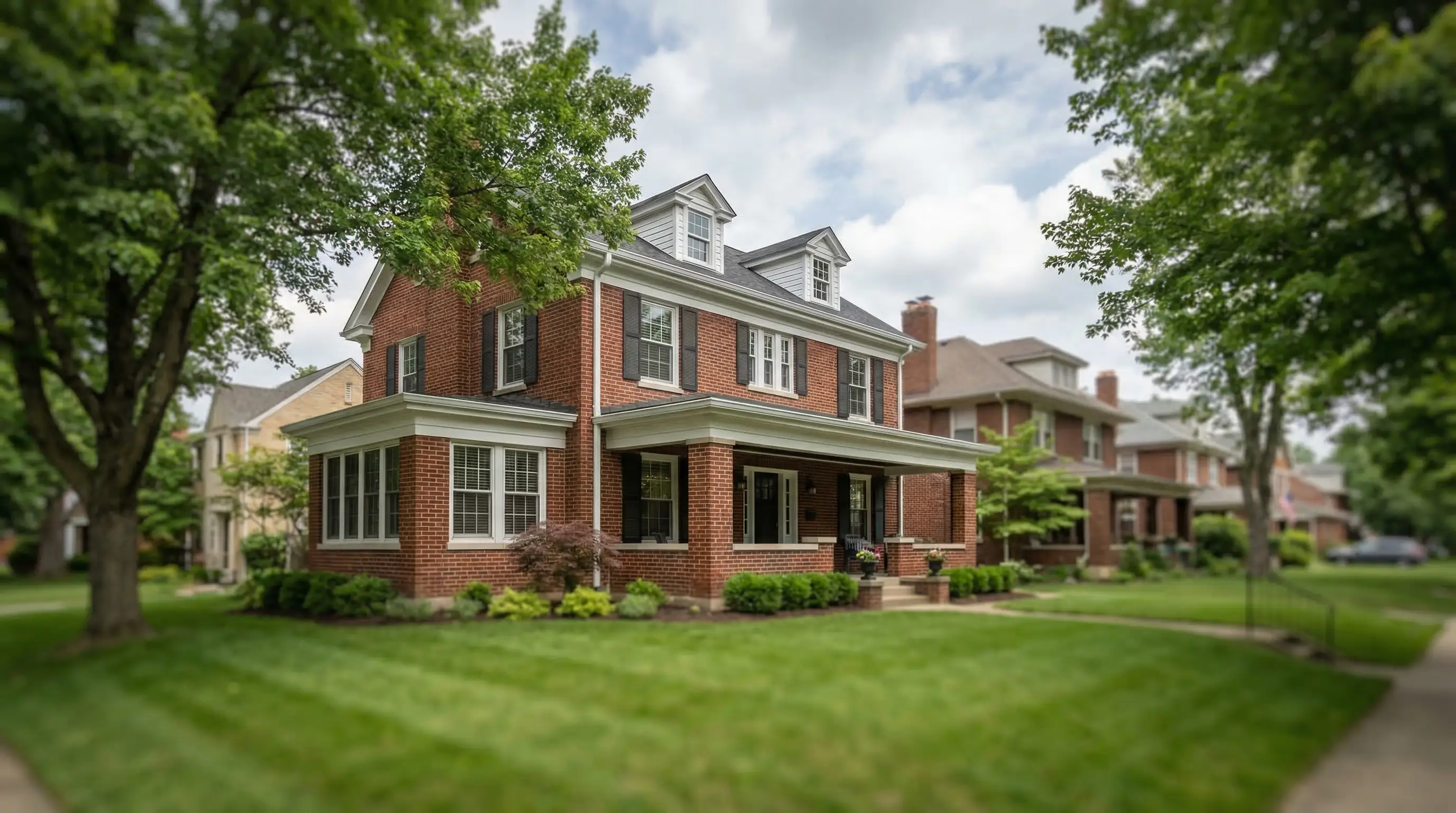
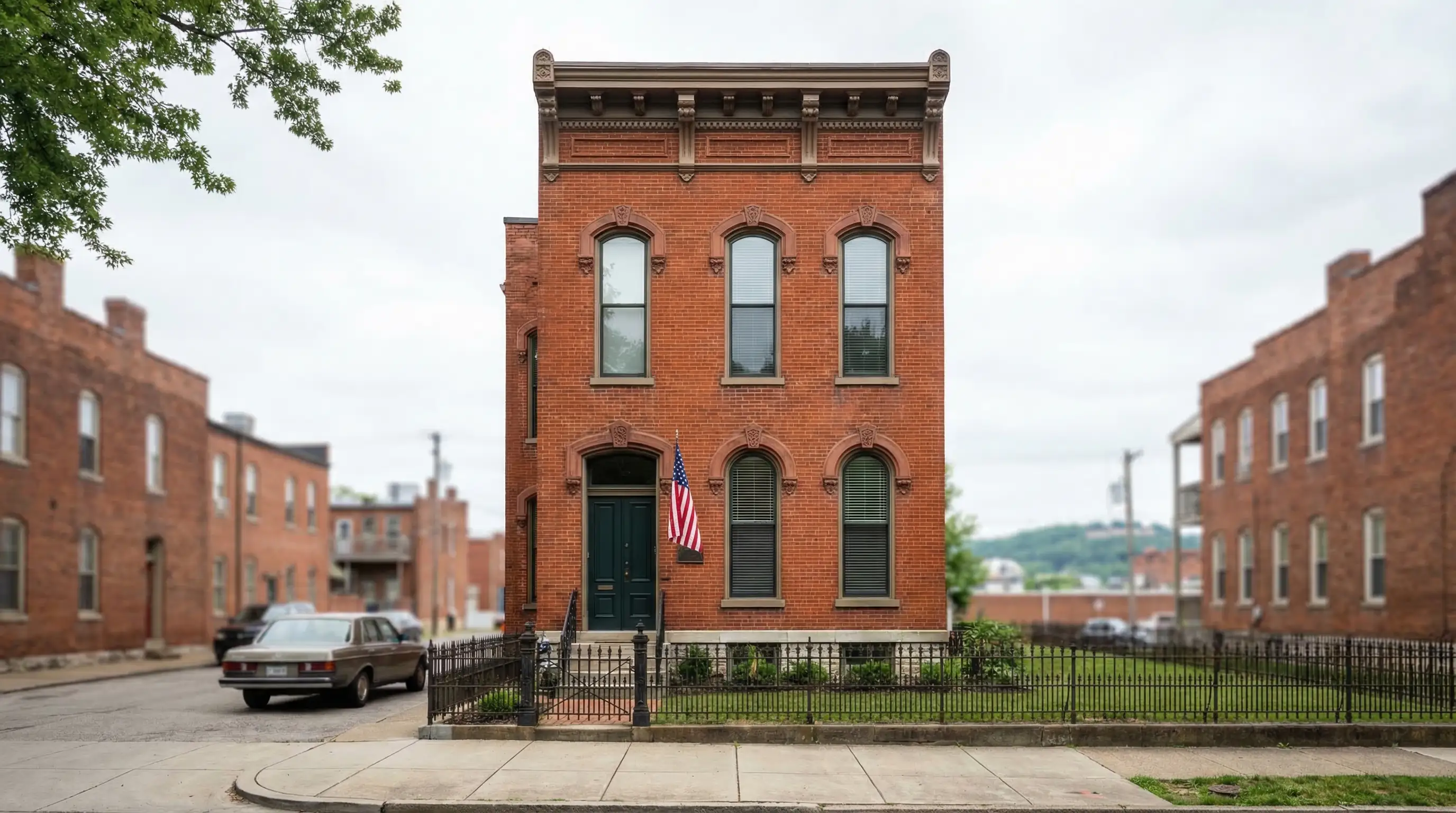
Cincinnati receives 15–20 hail events per year and sits on one of the densest concentrations of pre-1939 housing stock in the US — 40% of homes built before modern roofing materials existed. The result is a roofing market where demand isn't driven by choice, it's driven by physics: hail events, freeze-thaw cycles, ice dam formation, and the simple math of shingle lifespan on roofs that are already 30–50 years old. Google Ads is where Cincinnati homeowners go the moment weather delivers the verdict. <!-- stats-article-link --> <p><em>See how this city's Roofing PPC costs compare nationally in our <a href="/resources/roofing-ppc-statistics">Roofing PPC Statistics</a> report, featuring data from 40+ US cities.</em></p>
The Storm Chaser Problem: Competing in a Market Flooded by Opportunists
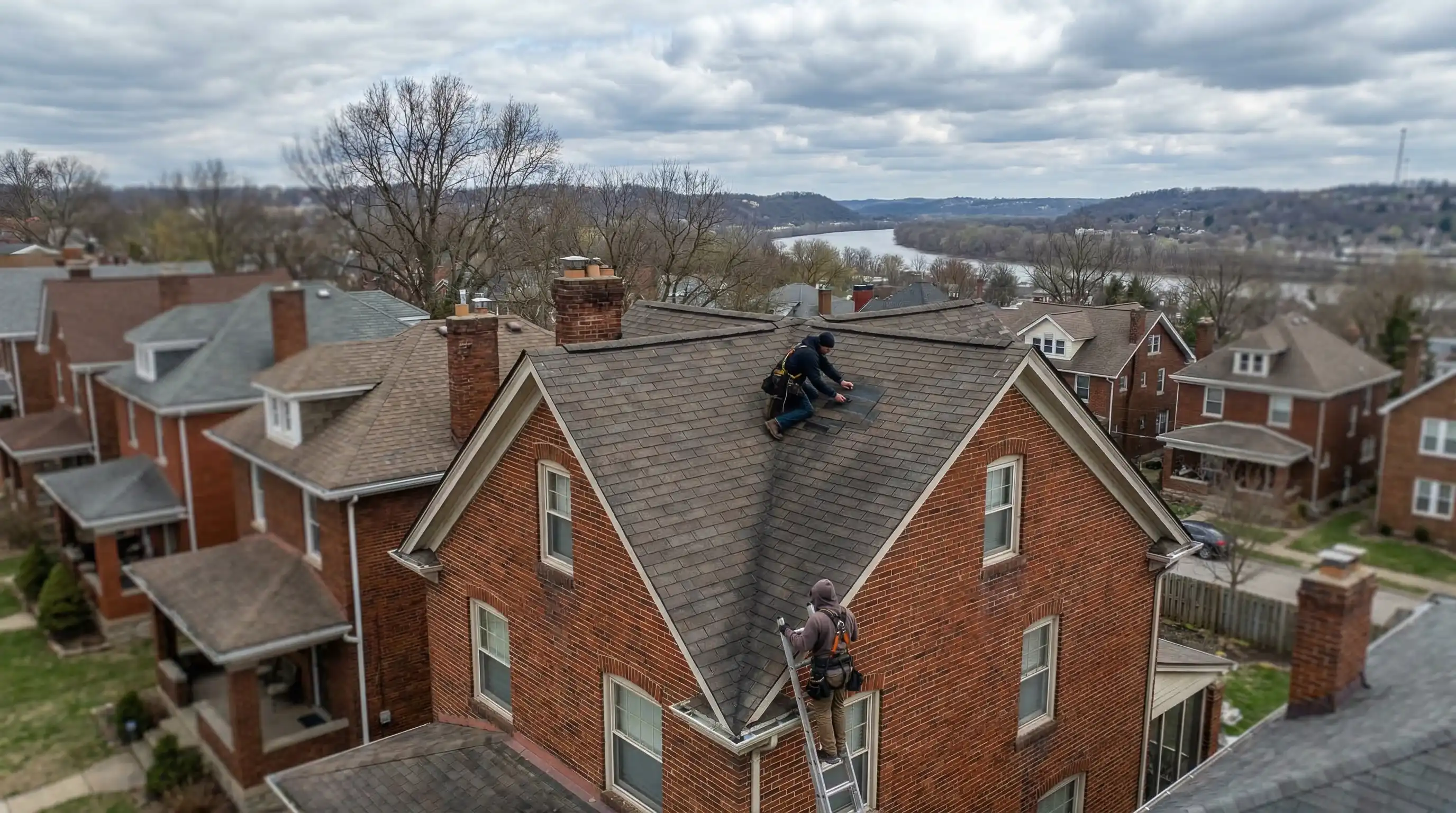
Cincinnati's roofing market has the highest BBB listing density of any home service category in the metro — 8,477 listings for roofing near Cincinnati, according to current BBB data. That raw number tells only part of the story. A significant percentage of those listings are storm-chasing operators who flood the market after major hail events, generate complaints, take insurance money, and disappear before warranty claims arrive. The BBB complaint volume in roofing is disproportionate to every other home service category.
This creates a specific PPC challenge: during peak storm season, CPCs spike 25–40% as storm chasers dump budget into Google Ads immediately after hail. A locally-established roofing company that's been advertising consistently all year finds itself competing in a sudden auction with out-of-state operators who have no cost basis for ongoing campaigns — they're buying leads for a single-event extraction, not building a long-term book of business. If your campaign isn't structured to maintain visibility and quality score through the off-season, the spring storm surge will cost you 30–40% more per click than a campaign that built quality score in winter.
The established players in Cincinnati roofing — Christian Brothers Roofing, Done Right Roofing, 5 Star Roofing, and Ohio Valley Roofing — compete year-round and hold quality scores earned over multiple seasons. New or intermittent advertisers don't. The structural disadvantage of seasonal-only PPC isn't just CPC — it's auction position, quality score, and the ability to serve ads in the high-competition first 48–72 hours after a hail event, when homeowner intent is at its absolute peak.
Insurance Claim Complexity: The Conversion Barrier Nobody Talks About
Cincinnati's roofing market has a distinctive consumer psychology layer: many of the highest-value leads are insurance claim jobs, not cash-pay replacements. When a homeowner files a claim after a hail event, they don't just need a roofer — they need a contractor who understands how to navigate the Allstate, State Farm, or Nationwide claims process. "We work directly with your insurance adjuster" is one of the highest-converting ad copy phrases in Cincinnati roofing PPC — not because it's clever, but because it directly addresses the specific anxiety of a first-time claimant who doesn't know how roofing insurance claims work.
Campaigns that run generic "free estimate" copy during post-storm periods convert at roughly half the rate of campaigns with insurance-specific copy. The homeowner who just had hail damage isn't searching for a contractor to give them a number — they're searching for guidance through a process that feels overwhelming. Campaigns that address that anxiety at the ad level generate significantly better CTR and conversion quality than those that don't.
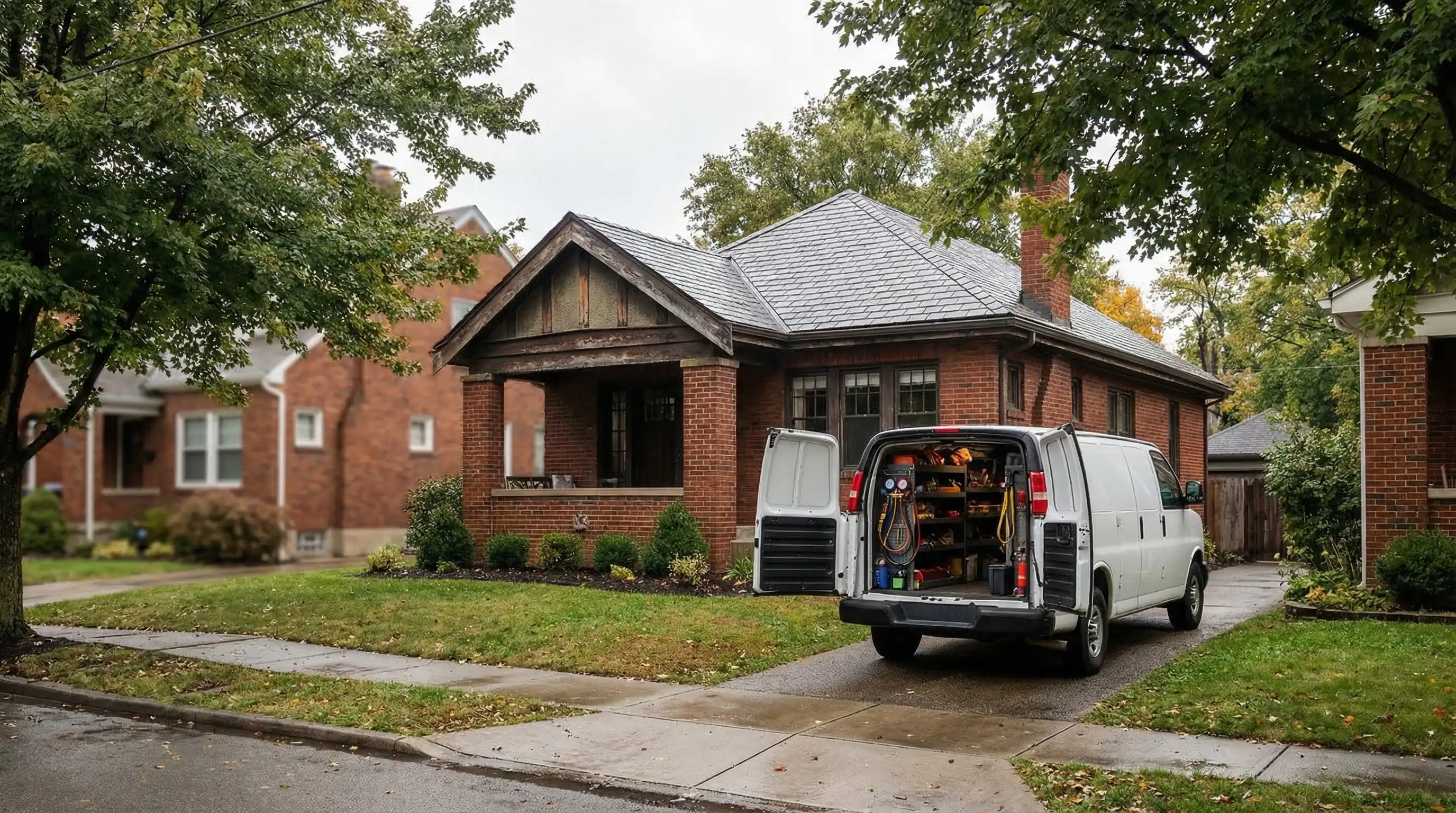
The freeze-thaw dynamic adds another dimension. Cincinnati averages approximately 25 freeze-thaw cycles annually — one of the highest rates in the Midwest. Each cycle expands and contracts roofing materials: flashing lifts, shingles crack at the adhesive seal, and valley metal separates. Ice dams form when warm attic air melts snow at the ridge and it refreezes at the eaves, backing up water under shingles. January–February ice dam calls come in as emergencies but often reveal underlying damage that drives full replacements. A Cincinnati roofing campaign that's dark in January misses a high-urgency, high-value conversion window with dramatically reduced competition.
Roofing PPC in Cincinnati requires a year-round campaign presence with storm-responsive budget escalation — not a seasonal campaign that activates after the first hail event.
Campaign Architecture by Season and Intent
- Storm response tier: "hail damage roof Cincinnati," "roof damage assessment Cincinnati," "emergency roof repair Cincinnati" — CPCs $14–$22 during storm windows; run with insurance-specific copy and call extensions; activate automated bid adjustments keyed to NOAA hail reports
- Replacement planning tier: "roof replacement Cincinnati," "roofing contractors Cincinnati OH," "new roof cost Cincinnati" — CPCs $10–$18; lead with financing and warranty copy; longer consideration cycle but highest average job value ($8,000–$25,000)
- Ice dam / winter emergency: "ice dam removal Cincinnati," "roof leak repair Cincinnati winter," "emergency roof repair January" — CPCs $8–$14; Jan–Feb only; low competition, high urgency, full-replacement qualification rate is significant
- Pre-season inspection: "roof inspection Cincinnati," "free roof estimate Cincinnati," "gutter repair Cincinnati" — CPCs $6–$10; Q1 build-up; generates relationship leads that convert to replacement jobs over 30–60 days
- Insurance-specific: "insurance roof claim Cincinnati," "hail damage claim roof Ohio" — high-intent qualifier; prospect has already self-selected as a claim candidate; conversion to job is 40–60% for practices that handle claims well
Budget management during storm events is the single highest-leverage decision in Cincinnati roofing PPC. The first 48–72 hours after a significant hail event are when homeowners are searching at peak intensity and intent is highest — their roof just got hit, the insurance adjuster hasn't arrived yet, and they're collecting contractor information. Budget caps that hit during this window cost far more in lost leads than the incremental spend required to stay visible.
The pre-season quality score strategy is what separates profitable Cincinnati roofing campaigns from expensive ones. Running consistent spend at $1,000–$1,500/month from November through March — when competition is minimal and CPCs are lowest — builds the quality score and historical click data that earns favorable auction positions when the March storm season begins. An operator who has maintained consistent activity all winter will see first-page CPCs 20–30% lower than a competitor who re-activated their campaign in April.
Ad Copy Principles for Cincinnati Roofing
- Always lead with the insurance angle during April–August storm season: "We Handle Your Insurance Claim From Start to Finish"
- Include financing callout for replacement campaigns: "$0 Down Roofing — 0% Financing Available" lifts CTR on high-ticket keywords
- Warranty specificity converts better than generic quality claims: "50-Year Manufacturer Warranty" outperforms "Quality Roofing" in all Cincinnati audience tests
- Response time framing for emergency keywords: "Same-Day Emergency Response — Cincinnati & NKY" signals local presence and speed
Google Partner Agency
We're a certified Google Partner Agency, which means we don’t guess — we optimize withGoogle’s full toolkit and insider support.
Your campaigns get pro-level execution, backed by real expertise (not theory).

The 1939 Housing Stock Reality: Every Cincinnati Roof Has a Clock Running
Asphalt shingles — the dominant roofing material in Cincinnati residential construction — have a rated lifespan of 25–30 years for standard 3-tab and 30–50 years for architectural/dimensional products. Cincinnati's median housing stock skews heavily toward pre-1939 construction with mid-20th-century roofing retrofits. That means a large percentage of the city's existing roofs are at or past their replacement threshold, regardless of hail damage or weather events.
The practical implication: Cincinnati homeowners are far more likely to convert from inspection to replacement than homeowners in newer-stock markets. A free inspection offer in a neighborhood like Hyde Park, Norwood, or Westwood generates leads from homes that will almost universally reveal near-end-of-life shingles, compromised flashing, or valley damage that justifies full replacement. The inspection funnel — where the ad offer is a free assessment rather than an immediate sale — converts at 25–35% to paid jobs in Cincinnati, versus 10–15% in newer suburban markets where homes have 15+ years of remaining shingle life.
Key insight: An average Cincinnati roof replacement is $8,000–$25,000. Even at the low end, a single converted lead from a $12 CPC click represents a 600:1 revenue-to-click ratio before accounting for labor and material costs. The CPL economics in roofing are more forgiving than any other home service category when the campaign is calibrated to generate assessment-qualified leads rather than generic quote requests.
Hail Belt Seasonality and the NKY Opportunity
Cincinnati's location in the Midwest hail belt — 15–20 events per year, primarily April through August — creates one of the most predictable seasonal demand spikes in any home service market. The storms are trackable, the homeowner response timeline is consistent (3–7 days from event to contractor search peak), and the insurance claim process creates a second conversion window 2–4 weeks after the initial event when adjusters complete assessments and homeowners move from "assessing damage" to "hiring a contractor."
Northern Kentucky — particularly Boone, Kenton, and Campbell counties — shares Cincinnati's hail exposure but is significantly underserved by roofing PPC campaigns. Most Cincinnati roofing operators run campaigns geo-targeted to Ohio zip codes only. Running a dedicated NKY campaign tier at 20–25% of total roofing budget consistently produces leads at 15–25% lower CPL than the primary Ohio targeting, because the auction is less crowded. NKY homeowners face identical housing stock challenges and identical insurance claim processes — the leads are equally qualified, just less competed for.
Cincinnati's roofing market demands a campaign strategy that runs year-round, not just when the storms hit. The operators who win long-term in this market build quality score through winter, deploy insurance-specific copy during storm season, manage budget escalation for hail-event windows, and expand geographic targeting into Northern Kentucky where CPCs are lower and competition is thinner. That's not a set-it-and-forget-it campaign — it's active management tied to Cincinnati's specific market dynamics.
At MB Adv Agency, we build roofing campaigns around the Cincinnati demand cycle — not generic home services playbooks. Our Cincinnati PPC service includes storm-responsive budget management, insurance-qualified ad copy, and seasonal structure adjustments that keep your campaigns competitive when competition spikes. We also don't share leads — every conversion generated by your campaign is exclusively yours.
If your roofing campaign is dark in January or running generic "free estimate" copy during hail season, you're leaving the highest-value leads in the Cincinnati market to competitors who understand the insurance claim funnel. See our pricing to find out what a properly structured Cincinnati roofing campaign costs and what it produces.
Frequently Asked Questions
How do I compete with storm chasers flooding Google Ads after a Cincinnati hail event?
Storm chasers are a real problem in Cincinnati roofing PPC — they dump temporary budget into the market after major hail events, inflate CPCs by 25–40%, and then disappear. The countermeasure is a year-round quality score strategy. Google rewards accounts with long campaign history, high click-through rates, and landing page relevance with lower CPCs and better ad positions — even against higher-spending competitors. A Cincinnati roofing account that has run consistently for 12+ months will hold first-page positions at CPCs 20–30% below a storm chaser who activated the same week.
The second countermeasure is insurance-specific copy. Storm chasers typically run generic "free estimate" or "storm damage" copy. If your ads specifically address the insurance claim process — "We work directly with your adjuster," "Direct Billing to Allstate, State Farm, Nationwide" — you generate higher CTR from exactly the prospects who are most likely to become high-value jobs. These are homeowners who have already experienced the damage, are filing a claim, and want a contractor who makes the process easy. They're the most valuable leads in the Cincinnati roofing market, and generic storm-chaser copy doesn't capture them as effectively as process-specific copy.
Third: use bid adjustments tied to hail event timing. When NOAA reports significant hail in Hamilton or Clermont County, immediately increase CPC bid caps by 30–40% for the first 72 hours. Yes, your CPL goes up during this window — but the close rate on storm-damage assessment leads is dramatically higher than baseline, making the economics positive even at premium CPCs.
What's a realistic budget and ROI for a Cincinnati roofing Google Ads campaign?
The minimum viable budget for Cincinnati roofing PPC is $3,000–$5,000/month. Roofing carries higher average CPCs than most home service categories ($10–$18 base, $14–$22 during storm season), and the competitive market requires enough budget to maintain visibility through peak demand windows without hitting daily caps. At $3,000/month, expect 15–25 leads per month in standard months, scaling to 35–50+ in the 2–3 weeks following a major hail event.
The ROI math is compelling. At an average replacement job value of $12,000 and a 30% close rate on PPC leads, a $3,000/month campaign generating 20 leads produces $72,000 in revenue. Even netting out material, labor, and overhead, gross margin on roofing is typically 30–45% — meaning a single month of PPC at that performance level generates $21,600–$32,400 in gross profit against $3,000 in ad spend. The ROAS is 7–10x when the campaign is operating well.
The seasonal caveat: budget should flex in Q2 and Q3. April through August requires 120–150% of base monthly spend to maintain visibility during storm season. January and February — ice dam season — is the highest-ROI budget window because CPCs drop 30–40% while urgency (and close rates) remain high. Operators who run consistent January campaigns at even $1,500/month often see their strongest CPL of the year. The final note: proper campaign structure matters more than budget in roofing. More money into a poorly structured campaign produces proportionally more waste, not more leads.