Plumbing PPC Reading, PA
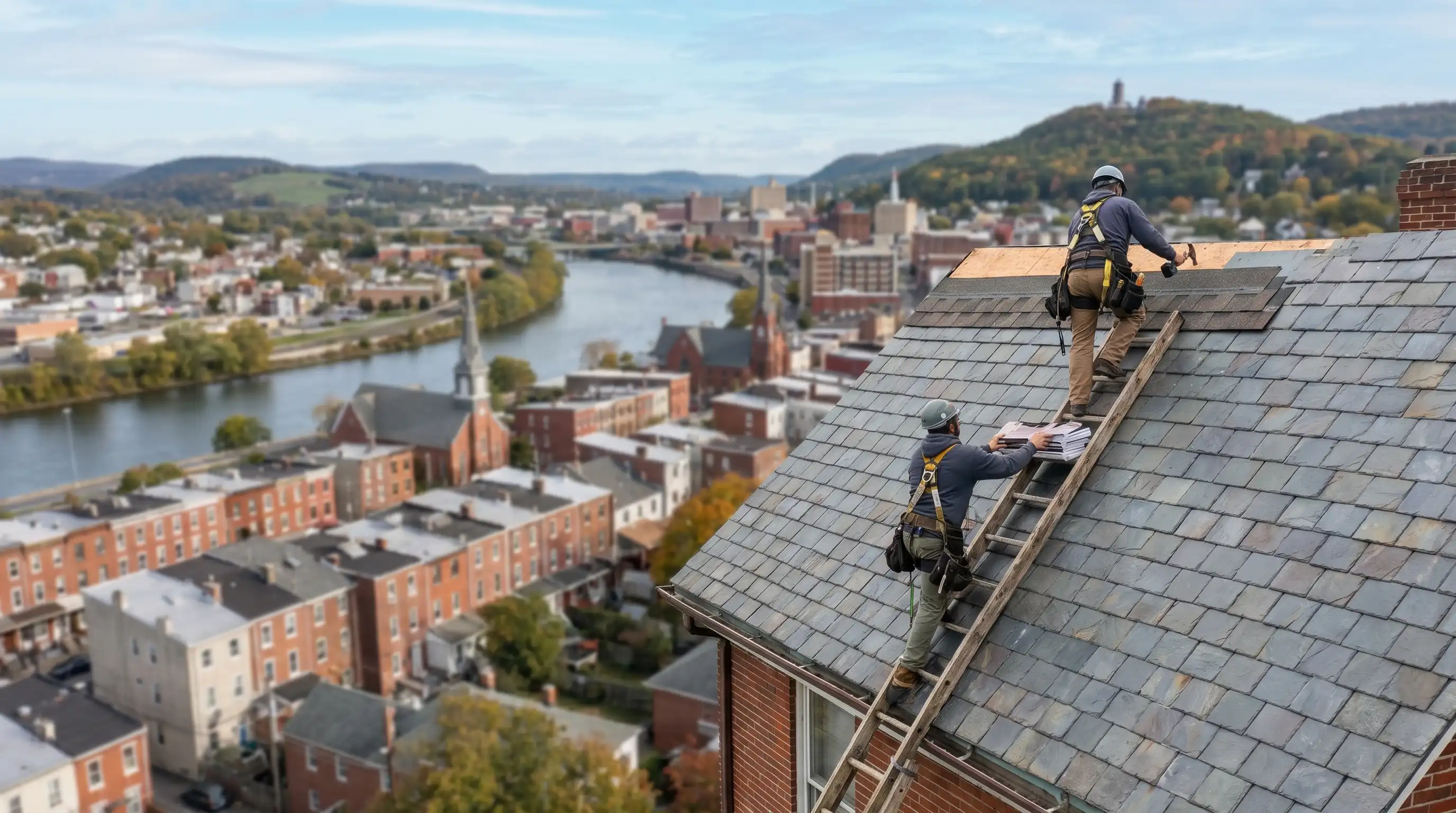
Reading's housing stock — predominantly pre-1960 construction with cast iron and galvanized steel pipes throughout — is a plumbing emergency waiting to happen at scale. Pair that with Schuylkill River flooding that taxes basement drains and sewers, and you have a market where high-intent emergency search volume flows year-round. The plumbers who capture it first win the most valuable leads in the Berks County home services market.
Why Do Plumbing PPC Campaigns Fail in Reading, PA?
Plumbing PPC in Reading fails for a consistent reason: most campaigns are built for a market that doesn't exist here. Generic plumbing campaigns are designed for newer suburban housing markets where the primary demand is installation and minor service. Reading's market is overwhelmingly driven by emergency response and aging-infrastructure replacement — and campaigns that don't recognize this difference waste budget on low-intent audiences while missing the high-conversion emergency traffic that defines this market.
Brand Saturation on the Wrong Terms
Essig Plumbing & Heating — the four-time Berks County People's Choice winner — dominates brand search in this market. Their 1938 founding date and near-universal brand recognition in the city means any campaign bidding on general "plumbing Reading PA" or "plumber Berks County" terms competes against a brand that the market intrinsically trusts. Lincoln Plumbing & Heating (since 1952) and The Plumbing Works (since 1992) add additional brand weight to the mid-tier. Roto-Rooter brings national budget capacity. A new or mid-size plumbing contractor cannot outspend these competitors on general awareness terms — but they can outmaneuver them on intent-specific keywords where Essig's brand advantage is less relevant and speed of response matters more than name recognition.
Emergency Intent Requires Emergency Infrastructure
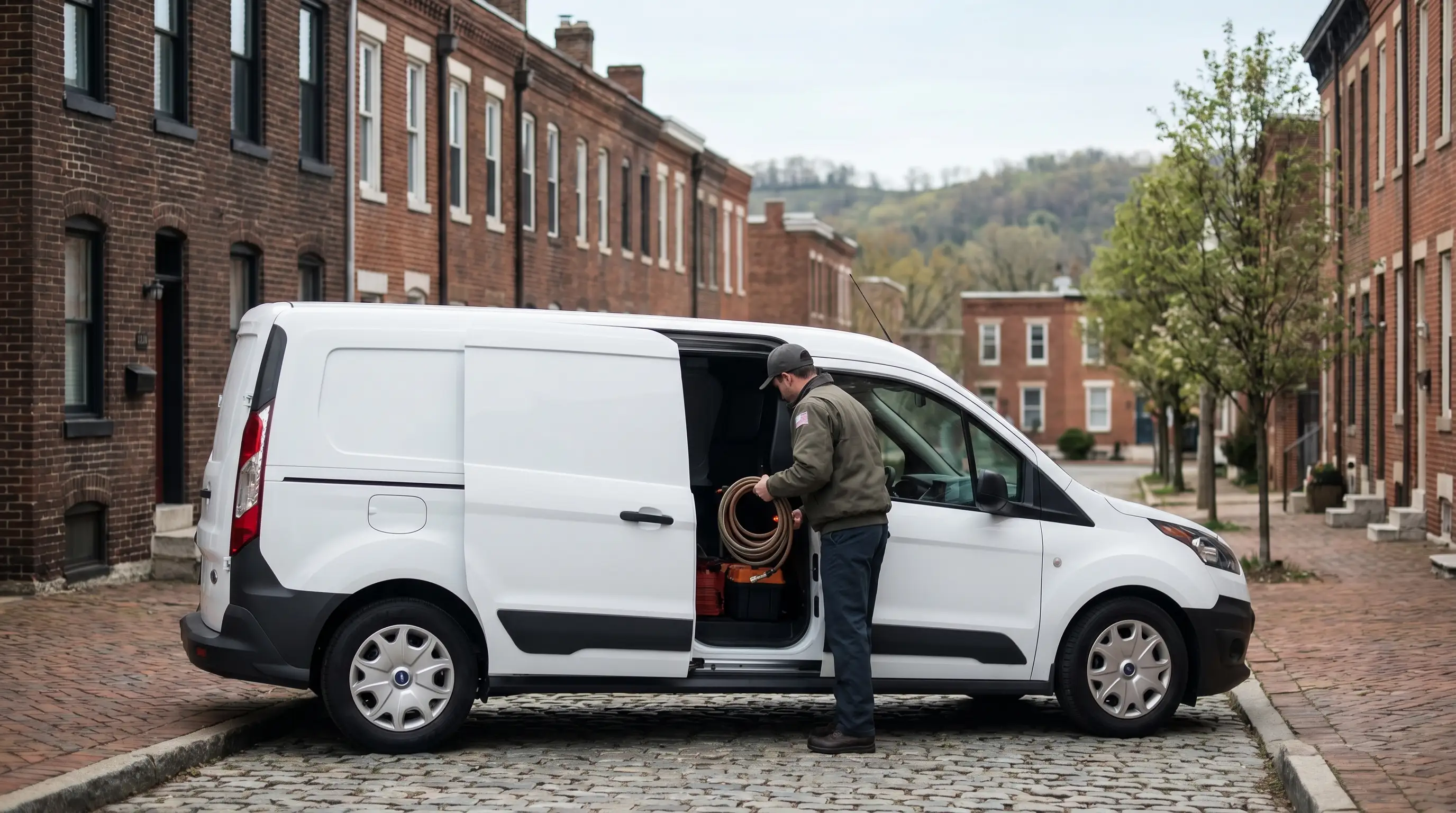
Reading's emergency plumbing market is large and consistent. Cast iron and galvanized steel pipes throughout pre-1960 homes corrode and fail — often suddenly, often at night or on weekends. The Schuylkill River valley's periodic flooding creates basement drain backup events that require same-day service. January and February freeze events burst pipes throughout the city's older housing corridors. These emergencies generate search traffic with CPCs of $30–$120 for the highest-intent terms — "burst pipe Reading PA tonight," "emergency plumber Berks County 24 hours," "flooded basement drain backup Reading" — but only convert when the plumber's ad, landing page, and response infrastructure all signal immediate availability.
Campaigns that point emergency clicks to a general homepage with a contact form fail at this conversion moment. Emergency intent requires emergency infrastructure: a landing page with a phone number as the primary CTA, live chat or same-day booking options, explicit "24/7 available" messaging in the headline and description, and call extensions with ad scheduling that matches actual service availability. Plumbers who run 9–5 ads for 24/7 emergency searches, or who route emergency traffic to general pages, generate click costs without generating booked calls.
A third failure mode is geographic mismatch. Reading's 17601–17608 zip codes have distinct plumbing demand profiles — the older city core versus newer construction in adjacent Wyomissing and West Reading. Campaigns running undifferentiated geographic targeting across the entire metro generate leads from areas with different job types and values, requiring human triage that adds time to the sales funnel and reduces overall close rates.
- Reading city core (17601–17604): Pre-1960 construction dominant; emergency and repipe demand highest
- Wyomissing/West Reading: 1950s–1980s construction; service and water heater demand more typical
- Rural Berks County: Longer drive times; higher CPL acceptable only for large jobs (whole-house repipe, sewer line replacement)
Matching geographic targeting to realistic service zones — and setting bid adjustments to favor the zip codes with the highest job value and close rate — is one of the most impactful optimizations in any Reading plumbing account.
Plumbing PPC Strategy for Berks County Contractors
Reading's plumbing market rewards speed, specificity, and segmentation. The highest-converting campaigns separate emergency response from planned service from bilingual outreach — and build each track around the intent signals that convert at 8–12% in this market.
Keyword Structure by Intent Type
- Emergency response keywords — "burst pipe Reading PA," "emergency plumber Berks County 24 hours," "flooded basement Reading," "no hot water emergency" — $30–$120 CPC. Small daily budget cap, call extensions as primary CTA, 24/7 ad scheduling. These campaigns have the lowest CPL per close rate when the response infrastructure matches the intent.
- Service and repair keywords — "plumber Reading PA," "drain cleaning Berks County," "water heater repair Reading," "toilet repair near me" — $8–$15 CPC. Evergreen campaign; moderate budget allocation. Captures planned service demand year-round.
- Aging infrastructure keywords — "cast iron pipe replacement Reading PA," "galvanized pipe repipe Berks County," "old pipe replacement," "repiping cost Reading" — $12–$20 CPC. Higher ticket jobs ($3,000–$8,000); lower volume but strong ROI. Target homeowners aware of their pipe age.
- Water heater keywords — "water heater replacement Reading PA," "same-day water heater installation Berks County," "tankless water heater Reading" — $9–$16 CPC. Consistent year-round demand; $800–$2,000 avg job value; fast close cycle.
- Spanish-language emergency keywords — "plomero de emergencia Reading PA," "tubería rota Reading," "fontanero Berks County" — $6–$10 CPC. Near-zero competitor presence; Reading's majority-Hispanic population is underserved in emergency plumbing specifically. Separate bilingual campaign with Spanish-speaking technician as a conversion differentiator.
Landing page architecture: Build separate landing pages for emergency versus planned service. Emergency pages lead with a phone number above the fold, a "We answer 24/7" confirmation, and service area confirmation ("Reading, Wyomissing, West Reading — same day"). Planned service pages can include more content, reviews, and pricing context. Routing all traffic to one page averages the conversion rates of two very different intent types — and underperforms both.
Call tracking is mandatory in this market. The majority of emergency plumbing conversions happen via phone, not form submission. Without call tracking, you cannot accurately attribute leads to campaigns, keywords, or ad groups. Set up Google forwarding numbers with call recording, and ensure call conversions are imported into the Google Ads platform as primary conversion events.
Ad scheduling: Emergency campaigns run 24/7 with a 20–30% bid increase from 10pm–6am when emergency intent is highest and competition drops. Standard service campaigns can reduce bids by 40% from midnight–6am when planned service searches are minimal.
Google Partner Agency
We're a certified Google Partner Agency, which means we don’t guess — we optimize withGoogle’s full toolkit and insider support.
Your campaigns get pro-level execution, backed by real expertise (not theory).

What Market Trends Should Reading Plumbing Businesses Know?
Three structural forces are driving plumbing demand growth in Berks County beyond the typical emergency call cycle — and contractors who understand them can build campaigns that capture growing categories before competitors recognize the opportunity.
The Cast Iron Pipe Replacement Wave
Reading's pre-1960 housing stock contains a specific ticking clock: cast iron and galvanized steel pipes that are now 60–80 years old. Standard lifespan for cast iron drain pipes is 50–80 years; galvanized supply lines 40–70 years. Many of Reading's aging homes are entering the failure window simultaneously — creating a multi-year wave of whole-house repipe demand that emergency service calls and repair work often trigger. A homeowner who calls about a persistent drain backup discovers mid-job that the entire lateral line is failing. Contractors who educate on this reality in their PPC content ("Your Reading home may need more than a repair — get a free pipe inspection") capture leads at the beginning of a $4,000–$8,000 repipe decision rather than at the emergency service call.
Key insight: The Schuylkill River's proximity creates a flooding-driven plumbing demand pattern unique to this market. Berks County experiences significant rain events in spring and late summer that drive storm sewer overflow and basement drain backup calls — often affecting dozens of properties simultaneously in a single event. Contractors who can respond to multiple simultaneous emergency calls (team availability, stocked trucks) capture the post-flood surge that spreads demand across competitors who hit capacity quickly.
The Bilingual Market Gap
- Reading's 60,000+ Spanish-speaking residents call plumbers in emergencies — but virtually no local plumbers run bilingual emergency ads
- Spanish-language emergency plumbing searches in 17601–17603 zip codes have grown significantly as the population expands
- A Spanish-speaking technician on staff is a genuine conversion differentiator — mention it explicitly in bilingual ad copy
- The first Reading plumber to establish bilingual PPC presence will hold that position for years; building it is harder than maintaining it
Water heater demand in Reading tracks age-of-stock more than population growth. The oldest homes have water heaters that are 15–25 years old and frequently past manufacturer recommended replacement intervals. "Same-day water heater installation Reading PA" is one of the most efficiently converting keyword groups in the market — high intent, immediate need, moderate ticket, and consistent demand with no meaningful storm-chaser equivalent to disrupt the auction.
Why Reading Plumbers Win With MB Adv Agency
Reading's plumbing PPC market rewards contractors who can respond in hours, not days. The emergency intent that drives this market converts when the phone number is prominent, the landing page confirms availability, and the ad copy speaks to the specific emergency the homeowner is experiencing. MB Adv Agency builds plumbing campaigns that match every intent type — emergency, aging infrastructure, water heaters, bilingual outreach — to the landing pages and creative that convert at 8–12% in this market.
We separate every campaign by intent type, build call tracking into every account from day one, and optimize for phone conversions — not just form fills — because that's where Reading's plumbing leads actually come from. Our lead generation framework is built around the high-intent, same-day decision cycle that characterizes this market.
For Reading plumbers specifically, we build bilingual campaign tracks that target the majority-Hispanic population through Spanish-language keywords and landing pages — the single largest untapped segment in the Berks County plumbing market. Combining English and Spanish emergency campaigns typically increases total lead volume by 30–40% for contractors with bilingual staff.
Ready to build a campaign that captures the Reading plumbing market's high-intent emergency traffic? See our pricing tiers and request a free audit — we'll identify exactly where your current account is leaving emergency leads behind.
Frequently Asked Questions
What Keywords Generate the Best ROI for Plumbing PPC in Reading, PA?
The highest-ROI plumbing keywords in Reading, PA are emergency response terms — specifically "burst pipe Reading PA," "emergency plumber Berks County," "no hot water emergency Reading," and "flooded basement drain backup" — despite having the highest CPCs in the market at $30–$120 per click. The reason is conversion speed: emergency intent produces a buying decision in minutes, not days, and a 20–30% close rate on emergency leads is achievable when the response infrastructure matches the intent. At $100 average CPL and $250–$400 per emergency service call, a well-run emergency campaign generates positive ROI from the first month. Service and repair keywords ($8–$15 CPC) offer the best volume-to-cost ratio for consistent lead flow without spikes, making them the backbone of any plumbing campaign. Aging infrastructure keywords — "cast iron pipe replacement Reading PA," "whole house repipe Berks County" — have lower search volume but generate $3,000–$8,000 job inquiries when they convert, making them high-priority targets despite smaller monthly lead counts. Spanish-language emergency terms are the highest ROAS opportunity in the entire portfolio: $6–$10 CPC, near-zero competitor presence, and access to 60% of Reading's population that English-only campaigns miss entirely.
For budget allocation across keyword types: allocate 30–35% to emergency terms (highest ticket CPL but fastest close), 40–45% to service/repair for volume, 15–20% to aging infrastructure for high-ticket opportunities, and 10–15% to bilingual for the untapped demographic advantage.
Seasonal nuance: January–February emergency budgets deserve a 25–30% premium — freeze events and pipe bursts peak, competitor response times slow, and customers are willing to pay urgency premiums that compress the negotiation cycle.
How Long Before Plumbing PPC in Berks County Starts Generating Leads?
A well-structured plumbing PPC campaign in Reading, PA generates leads within the first 48–72 hours of launch for emergency keywords — the intent is immediate and the buying cycle is same-day. Service and repair keywords typically take 2–3 weeks to generate consistent lead flow as Google's algorithm optimizes for the query types that match your campaign structure. Plan on a 60-day optimization window to establish baseline CPL benchmarks and begin automated bidding — before that threshold, manual CPC with close human monitoring produces better results than Smart Bidding, which requires conversion volume data to function correctly. The first 30 days are data collection: identify which keywords produce phone calls versus form fills, which geographic areas generate the highest close rates, and which ad copy variants drive CTR above 8–10%. The second 30 days apply those insights — pausing low performers, scaling high-intent keywords, and enabling Target CPA bidding on campaigns with sufficient conversion history. By day 90, a properly structured account operates predictably: $100–$183 CPL for non-branded terms, 8–12% CVR on emergency campaigns, and a clear picture of which campaign tracks generate the highest revenue per ad dollar.
Contractors who expect immediate perfection from day one consistently underinvest in the optimization window — pausing campaigns at 3–4 weeks when initial CPLs are still high, before the algorithm has enough data to perform. Stay the course through 60 days of consistent spend before making structural changes to the account.
Seasonal nuance: Launching a plumbing campaign in August or September — just before the fall pipe-aging awareness season and ahead of January freeze events — maximizes the optimization window before the highest-demand period hits.