Solar Installation PPC Riverside, CA
Riverside solar installers operate in one of the most compelling residential solar markets in California — 284 sunny days annually, Southern California Edison electricity rates hitting $0.52/kWh at peak tiers, and a $639,786 median home value that qualifies most homeowners for solar financing. But since NEM 3.0 reshaped the export credit economics in April 2023, the companies winning on Google Ads here aren't the ones bidding broadest — they're the ones who've identified the battery storage segment, the commercial solar gap, and the post-NEM 3.0 upgrade audience that Sunrun and SunPower can't serve as efficiently as a local licensed installer.
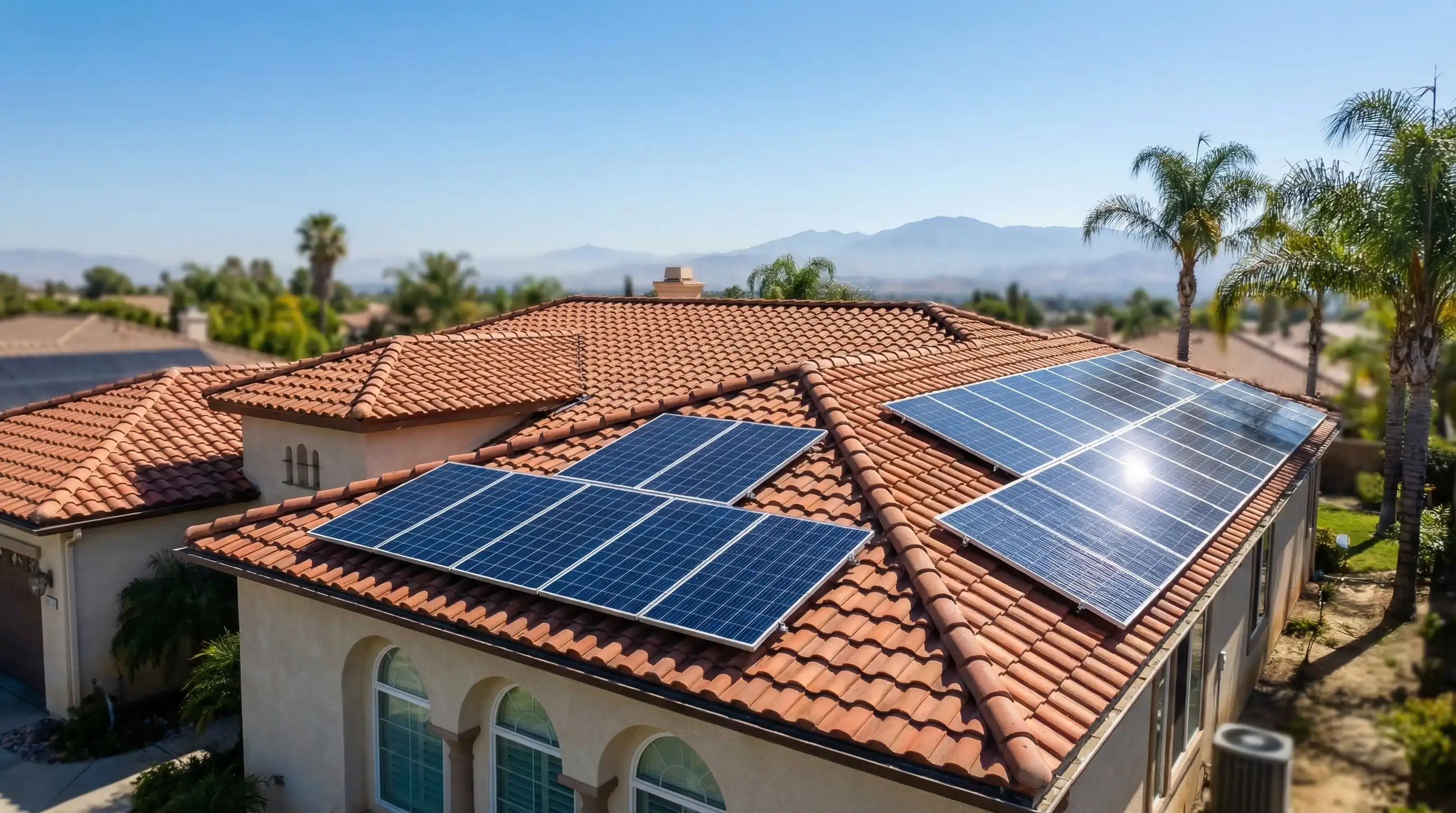
Riverside solar PPC operates in a market shaped by a policy inflection point that fundamentally altered competitive dynamics. Before NEM 3.0 (April 2023), California's net metering program allowed homeowners to export excess solar energy to the grid at retail rates — making the payback calculation straightforward and the sales pitch simple. Post-NEM 3.0, export credits dropped by 75% during daylight hours, pushing the ROI case toward solar + battery storage systems rather than grid-export-dependent panel-only installations. Companies that didn't adapt their ad copy and product messaging to address NEM 3.0 directly are still running campaigns for a market that no longer exists.
The National Player Dominance Problem
The dominant competitive challenge is brand asymmetry. Sunrun (the largest residential solar company in the US) and SunPower by Renewergy (authorized dealer with Inland Empire coverage) run PPC campaigns with national creative budgets and brand recognition that local installers genuinely cannot outspend. Sunrun appears in Google LSA, traditional search, display, and YouTube simultaneously — a cross-channel presence that costs multiples of what any Riverside SMB installer can commit. Bidding against Sunrun on "solar panels Riverside CA" is a race to the bottom on CPCs that compounds the NEM 3.0 margin pressure already challenging local operators.
On the local side, Sunstar Electric (Riverside, BBB Accredited A-, full electrical + solar, CSLB licensed) and Trifecta Power LLC (Riverside, BBB A, solar + electrical contractor services) have navigated the post-NEM 3.0 landscape as established local operators. The competitor field shrank significantly after NEM 3.0 triggered a market contraction — BBB Pacific Southwest still lists 502+ solar results near Riverside, but many of those listings represent companies that reduced activity or exited residential entirely after the policy change. The companies still actively advertising are better-capitalized and more credible than the pre-NEM 3.0 field.
Lead Quality and the Aggregator Problem
Solar lead quality in Riverside is severely degraded by aggregator platforms. EnergySage, SolarReviews, and similar solar lead marketplaces generate leads that arrive simultaneously at 5–10 installers, triggering a price-comparison dynamic that compresses margins before a single site visit occurs. A homeowner who submitted a form on EnergySage is not a PPC lead — they're an aggregated lead being auctioned to the lowest-price installer in a commoditized marketplace. Direct Google Ads leads convert at materially higher rates because the homeowner found one specific company, engaged with one set of ad copy, and clicked through to one landing page. That's a relationship starting point, not an auction entry.
- Primary residential solar keywords ("solar installation Riverside CA," "solar panels Riverside," "residential solar Riverside"): $18–$45/click — national competitors dominate; requires strong brand differentiation (CSLB license, manufacturer certifications, local photos) to compete on Quality Score
- Battery storage keywords ("Tesla Powerwall Riverside," "home battery backup Riverside CA," "solar battery storage Riverside"): $20–$55/click — growing post-NEM 3.0 demand; Sunrun doesn't focus heavily on standalone battery retrofits for existing solar homeowners
- Commercial solar keywords ("solar for business Riverside CA," "commercial solar installation Riverside," "solar panels for office Riverside"): $12–$30/click — dramatically lower competition than residential; high LTV ($40,000–$150,000/project)
- Post-NEM 3.0 upgrade keywords ("add battery to existing solar Riverside," "NEM 3.0 solar upgrade Riverside," "solar retrofit battery Riverside"): $10–$22/click — near-zero competition; highly specific intent audience
- Financing-focused keywords ("solar lease Riverside CA," "$0 down solar Riverside," "solar financing Riverside"): $8–$18/click — price-sensitive segment; converts well with clear financing terms in ad copy
California's CSLB licensing requirement (C-10 electrical or C-46 solar specialty license) is a trust signal that most Riverside solar PPC campaigns omit entirely. Homeowners researching solar are making a $18,000–$32,000 purchase decision and they're acutely aware of the contractor quality variation in the market. Ad copy and landing pages that prominently feature the CSLB license number, installer certifications (SunPower Authorized Dealer, Tesla Powerwall Certified Installer), and customer review count convert at significantly higher rates than generic "get a free quote" ads — because the homeowner's primary anxiety isn't finding a solar company; it's finding one they can trust with a five-figure purchase.
Riverside solar PPC works when campaigns deliberately avoid competing with Sunrun and SunPower on their primary keywords and instead own the battery storage segment, the commercial solar gap, and the post-NEM 3.0 retrofit audience. Local licensed installers have specific advantages in these segments that national players can't replicate efficiently — and CPCs in these sub-markets are 40–70% lower than primary residential solar keywords.
The Three-Segment Strategy
The campaign architecture that succeeds for a Riverside solar SMB runs three parallel campaigns, each targeting a distinct audience with distinct economics:
- Residential solar + battery (primary campaign): Keywords like "solar installation Riverside CA," "solar panels Riverside," and "solar + battery Riverside CA." Budget: 50–60% of total. Landing page must address NEM 3.0 ROI directly — a calculation showing Riverside SCE bill savings under the new export credit structure, not the pre-2023 payback math that the market has moved past. Feature CSLB license number, certifications, and a gallery of Riverside-area installations.
- Battery storage retrofit campaign: Keywords: "add battery to existing solar Riverside," "Tesla Powerwall installer Riverside CA," "Enphase battery Riverside," "home battery backup Riverside." Budget: 20–25% of total. These are homeowners who installed solar before NEM 3.0, saw their export credits drop, and are now researching battery storage to self-consume more of their own generation. Sunrun and SunPower don't aggressively target this audience — it's not in their new-system pipeline — creating a near-uncontested channel for local installers who offer battery-only retrofit services.
- Commercial solar campaign: Keywords: "commercial solar installation Riverside CA," "solar for business Riverside," "solar panels restaurant warehouse Riverside." Budget: 15–20% of total. LTV of $40,000–$150,000/project means even a single commercial conversion dominates annual ROI. This segment has minimal advertiser density because most local installers don't have the capacity or the landing page infrastructure to capture commercial leads effectively. A dedicated commercial landing page (featuring completed commercial projects, kW installed, estimated payback period) differentiates immediately.
Seasonal timing: Spring (March–June) is peak solar inquiry season in Riverside — homeowners planning before summer SCE bills arrive and wanting systems installed before peak billing months. A second demand wave hits in September–October, when homeowners open August/September SCE bills (the highest of the year at Riverside temperatures) and call for quotes. Running year-round with budget surges in March–April and September captures both waves. Companies that run flat year-round budgets systematically miss the post-billing-shock conversion spike in fall.
Ad copy essentials: Lead with the SCE rate fact ($0.28–$0.52/kWh depending on tier) and calculate the annual savings opportunity for a typical Riverside home before mentioning the system cost. "Cut your SCE bill by 70–90% — licensed Riverside solar installer, CSLB C-46 certified" outperforms "solar panels for your home" because it leads with a specific, verifiable financial outcome rather than a generic product description.
Google Partner Agency
We're a certified Google Partner Agency, which means we don’t guess — we optimize withGoogle’s full toolkit and insider support.
Your campaigns get pro-level execution, backed by real expertise (not theory).

Riverside solar PPC contains several structural demand layers that most campaigns ignore entirely — layers that represent lower CPCs, less competitive pressure, and in some cases, conversion economics that exceed primary residential keywords.
The Post-NEM 3.0 Retrofit Audience
California's NEM 3.0 policy change created a specific, addressable audience that didn't exist before April 2023: homeowners who installed solar under NEM 2.0 (grandfathered for 20 years if installed before the cutoff, but only if they haven't expanded or modified their system) who now want to add battery storage to reduce grid dependency under the new export economics. These homeowners already believe in solar — they own a system. They've watched their utility export credits decline and they're researching battery storage as the logical next step. This audience converts at a higher rate than cold solar prospects because the education barrier is already cleared.
The keyword segment for this audience ("add battery to existing solar Riverside," "NEM 3.0 battery storage Riverside," "solar battery upgrade Riverside CA") runs at $10–$22/click — well below the $18–$45/click primary solar residential range — with minimal competing advertisers because national players like Sunrun focus on acquiring new solar customers, not retrofitting existing ones. For a local installer with battery storage capability, this is effectively an unclaimed channel.
SCE Rate Tiers and the Upper Tier Targeting Opportunity
Southern California Edison's residential rate structure creates a solar ROI that scales dramatically with electricity consumption. Riverside homeowners in SCE's upper tiers pay $0.48–$0.52/kWh for electricity — making a solar installation ROI calculation almost irresistible at current panel pricing. But the upper-tier audience (large homes with pools, HVAC systems running extended hours in Inland Empire heat, homes with EV charging) is more addressable than "all Riverside homeowners." Campaigns targeting high-consumption indicators — "solar for homes with EV charging Riverside," "solar for pool homes Riverside CA," "large home solar Riverside" — reach the highest-ROI audience segment at CPCs comparable to or below general solar terms.
- Key insight: Riverside's 284 sunny days/year = the highest solar production hours in California outside of the desert — systems generate maximum output in maximum SCE billing months
- Key insight: Post-NEM 3.0 battery retrofit keywords cost 50–65% less than primary residential solar keywords with equal or higher purchase intent (existing solar customer already motivated)
- Key insight: Commercial solar ($40,000–$150,000 LTV) has less than 20% of residential solar's advertiser competition in Riverside — one commercial conversion covers months of PPC at any pricing tier
- Key insight: Referral rate in solar runs ~30% — each installed customer generates 0.3 additional referral leads; tracking referral source attribution compounds PPC ROI estimates
The bilingual opportunity also applies in solar. Riverside's 55.6% Hispanic population includes a large homeownership segment — the city's median home value suggests a significant owner-occupied household base across all demographics. Spanish-language solar keywords ("paneles solares Riverside CA," "instalación solar Riverside," "empresa solar Riverside") have virtually no competing advertisers. A local installer with a Spanish-speaking sales team running a dedicated Spanish solar campaign captures a segment that Sunrun and SunPower's national English-language campaigns almost entirely miss.
Riverside solar PPC in 2026 is a post-NEM 3.0 market — and campaigns built on pre-2023 solar PPC playbooks are making the wrong pitch to the wrong audience. The homeowners who converted on "reduce your electricity bill by exporting solar to the grid" are grandfathered. New leads need to hear a different story: self-consumption optimization, battery storage as the missing piece, and the specific math of a Riverside SCE bill at $0.48–$0.52/kWh. That's a more complex message, but it's the true one — and it converts at higher rates than generic solar advertising in a market that's grown skeptical of solar promises.
MB Adv Agency builds Riverside solar campaigns around the post-NEM 3.0 reality: battery storage segment, commercial solar gap, and SCE rate-tier targeting. Our PPC approach includes ad copy built around specific SCE rate savings calculations, CSLB license verification integration, and campaign architecture that separates the residential new-install, battery retrofit, and commercial segments into distinct campaigns with distinct landing pages. See our pricing tiers — at Aggressive Push ($697/month), one residential solar installation ($22,000–$35,000 job) covers 31+ months of management fees.
For Riverside solar companies ready to compete where Sunrun isn't — battery storage retrofits, commercial installations, Spanish-language residential — our Riverside PPC management service starts with a competitive gap analysis of the keyword categories your competitors are leaving empty. Lead generation for solar works when campaigns are built around the specific economics of the Inland Empire market — 284 sunny days, SCE's highest tiers, and a post-NEM 3.0 battery storage opportunity that's still largely unclaimed.
Frequently Asked Questions
Does NEM 3.0 make solar PPC less effective in Riverside?
No — but it changes which campaigns work. Pre-NEM 3.0 solar PPC was built around a grid-export story: install panels, export your excess power, nearly eliminate your electricity bill. NEM 3.0 reduced daytime export credits by 75%, which made that pitch much less compelling for homes without battery storage. The campaigns that underperform post-NEM 3.0 are the ones still running on the old export-credit narrative without addressing the policy change directly.
The campaigns that work post-NEM 3.0 in Riverside are built around solar + battery storage as a self-consumption optimization system — you generate power during the day and store it in a Powerwall or Enphase battery to use when SCE's rates are highest (evening peak hours). For Riverside homeowners on SCE's tiered rates paying $0.48–$0.52/kWh in the upper tier, the economics are still compelling — they've just shifted from "export to the grid" to "consume your own generation and avoid peak pricing." Ad copy that addresses NEM 3.0 directly and explains the battery-storage solution converts at higher rates than ads that ignore the policy change, because informed homeowners immediately filter out any installer who seems to not know about it.
The additional opportunity: Homeowners who installed solar under NEM 2.0 and are seeing reduced export credits are now actively researching battery storage add-ons. This is a warm audience that pre-qualifies itself — they already believe in solar and they're specifically motivated by NEM 3.0. PPC campaigns targeting "add battery to existing solar Riverside" reach these leads at $10–$22/click versus $18–$45/click for cold residential solar prospects.
What's the best Google Ads budget for a Riverside solar installation company?
A small Riverside solar installer (1–5 crews) should budget $1,500–$3,500/month in ad spend with a campaign architecture that allocates spend across three segments: residential new-install (50–60%), battery storage retrofit (20–25%), and commercial (15–20%). The overall budget scales based on crew capacity — a company running 5 crews that can handle 6–8 residential installs per month needs more leads than one running 2 crews targeting 2–3 jobs per month.
The ROI math makes solar PPC uniquely favorable among home services industries: at $18–$30/click average CPC and a 2.5–3% conversion rate, leads cost $600–$1,200 each. A residential install averages $22,000–$35,000 in Riverside. If you close 1 in 6 qualified leads (solar has a longer sales cycle and multiple-quote comparison; 15–20% close rate is realistic for a well-positioned local installer), your cost per installed job runs $3,600–$7,200 — against $22,000–$35,000 revenue. That's a 3:1 to 9:1 ROAS before considering the 30% referral rate from satisfied customers.
- $1,500–$2,000/month: Residential solar + battery retrofit keywords. Expected leads: 3–6/month. Expected installs: 0.5–1/month at 15–20% close rate. Breakeven ROI in month 2–3 of campaign maturity.
- $2,500–$3,500/month: Add dedicated commercial solar campaign. One commercial conversion ($50,000–$80,000 average) dominates monthly economics. Best budget tier for companies with commercial installation capability.
- Spring surge protocol: Increase budget 40–50% in March–April and again in September to capture peak inquiry seasons. Spring leads who are planning before summer heat arrive have the most compelling ROI motivation (SCE bills are about to peak) and the widest installation window.
One operational note: solar's 30–90 day sales cycle requires patience. A lead generated in March may not sign until April or May. PPC attribution windows in Google Ads default to 30 days — extend to 90-day attribution in your conversion settings to avoid under-reporting the campaign's actual ROI. Companies that evaluate solar PPC on 30-day attribution consistently underestimate performance and cut campaigns prematurely.