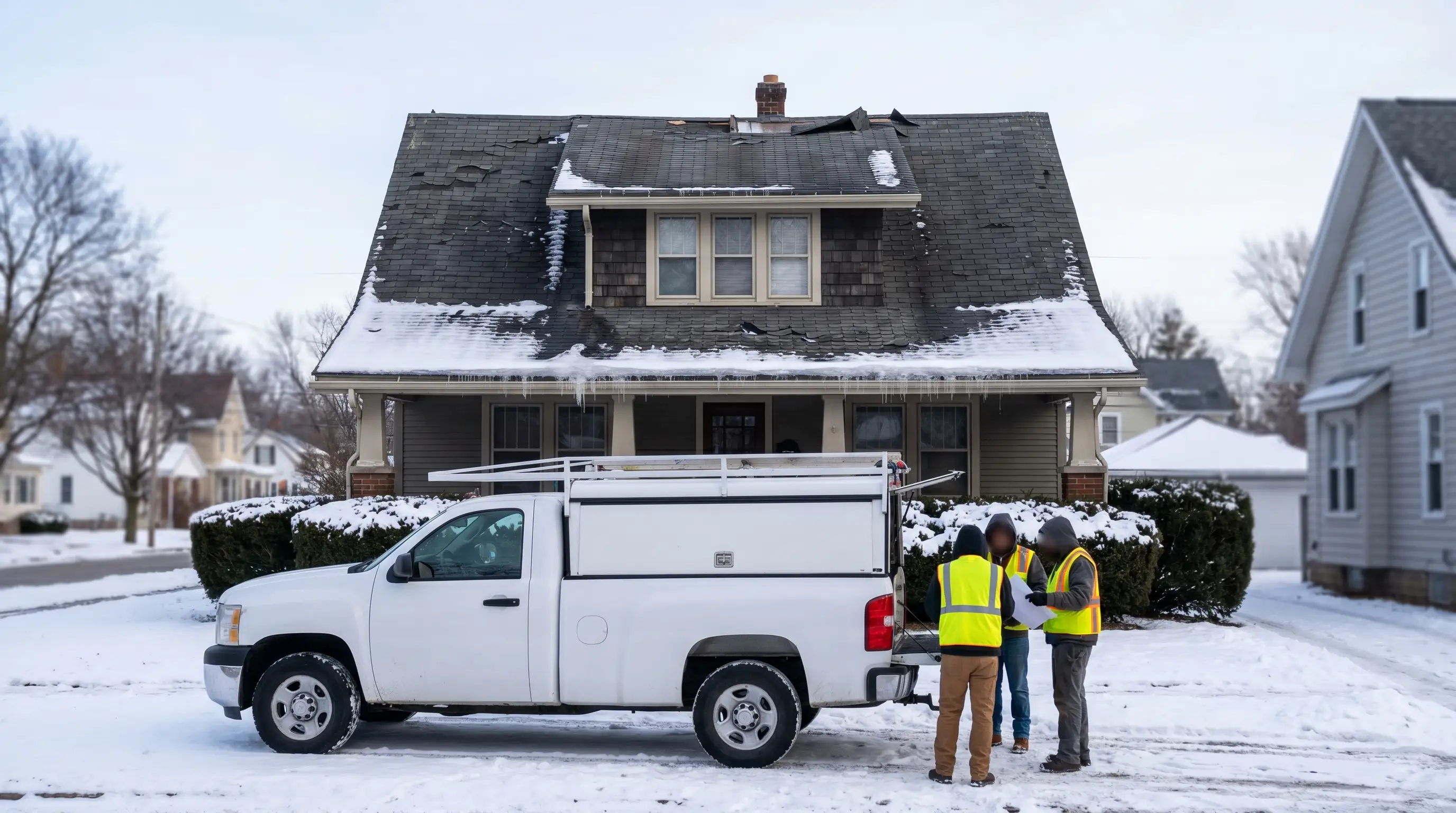
Water Damage Restoration PPC South Bend, IN
South Bend basements flood on a predictable schedule — spring snowmelt, heavy rain, and burst pipes from Lake Michigan winters generate emergency calls year-round. With CVR hitting 15–28% for emergency water damage queries — the highest conversion rate in home services — a correctly structured PPC campaign in this market produces leads at a cost that justifies average job values of $3,800–$9,500, with insurance-paid jobs frequently running $5,500–$12,000.
Why Do Water Damage Restoration PPC Campaigns Fail in South Bend?
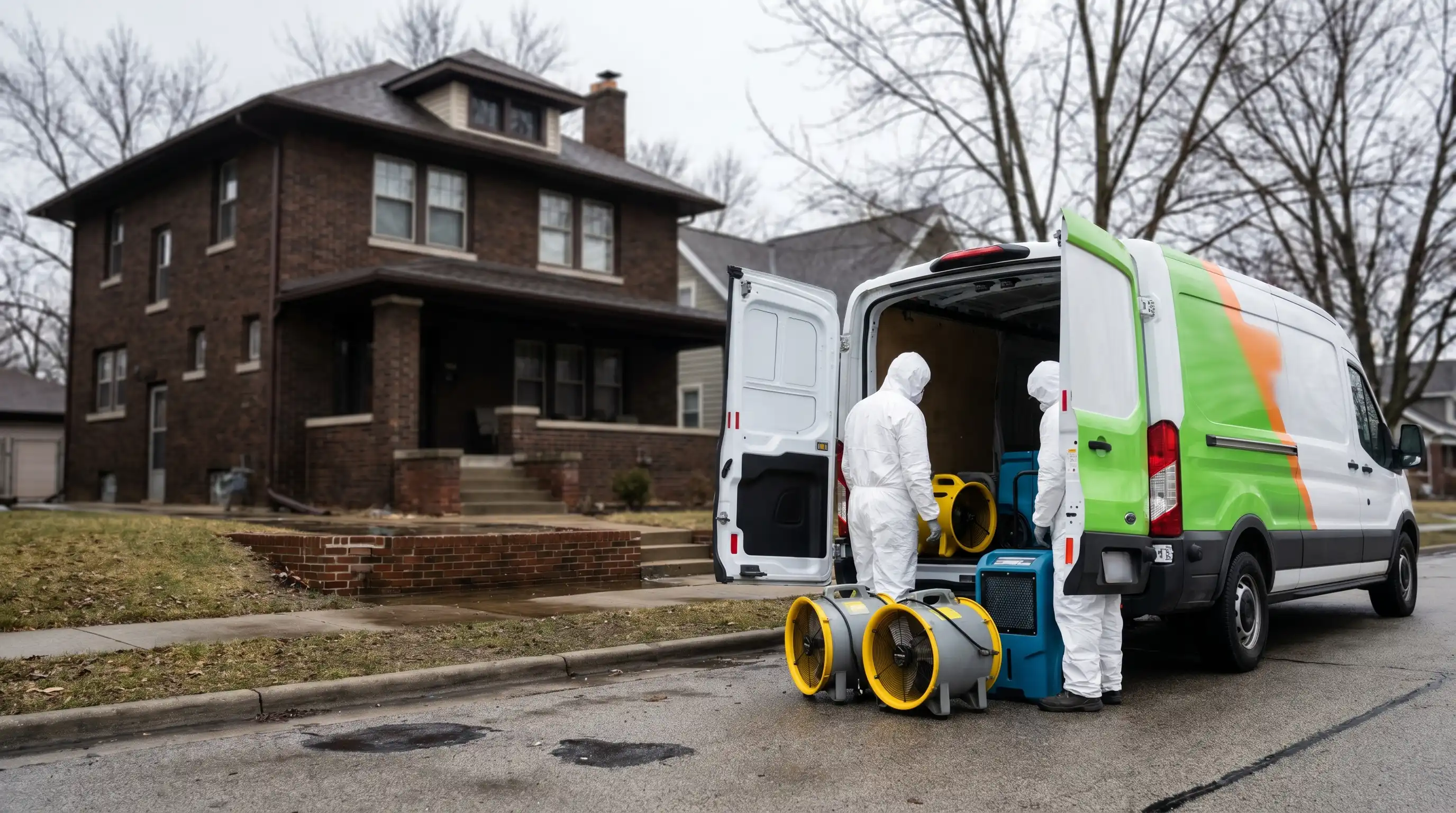
Water damage emergencies in South Bend don't respect business hours. Spring basement flooding events — driven by Lake Michigan snowmelt and heavy rain — regularly occur overnight and on weekends, which is exactly when most PPC campaigns are either paused for budget conservation or running at reduced bid modifiers. A homeowner with four inches of standing water in their basement at 2am on a Saturday searches immediately for a restoration company. If your campaign is dark during that moment, Servpro of South Bend or ServiceMaster Restore gets that call — and at average job values of $3,800–$9,500, the revenue impact of after-hours ad gaps compounds quickly through an entire spring flooding season.
The 24/7 Coverage Gap That Costs Jobs
The most common structural failure in South Bend water damage campaigns is incomplete scheduling. Most local operators run campaigns during business hours with reduced or zero bids overnight and on weekends — the same windows when emergency demand peaks. Water damage restoration has the highest conversion rate in home services: CVR runs 15–28% on emergency queries because the decision cycle is immediate. Unlike HVAC replacement or roofing, there is no consideration period. A homeowner with an active leak does not comparison shop. The operator whose campaign is live when the search happens gets the job. Running a campaign that goes dark on weekend nights is equivalent to taking the phone off the hook when the most motivated buyers call — the cost is invisible in account dashboards but enormous in missed revenue.
The second structural error is running a single campaign for a category with fundamentally different lead types. Emergency extraction calls ("basement flooding south bend") convert immediately and have no buyer journey. Insurance-pathway leads ("water damage restoration south bend" combined with insurance keywords) require different ad copy emphasizing direct insurance billing and documentation. Mold remediation leads ("mold remediation south bend") are often separate from the initial water damage event and require specialized messaging around health, air quality testing, and environmental compliance. Blending all three into a single campaign produces mediocre performance across every segment.
The Franchise Brand Effect and the Gaps Around It
Servpro of South Bend has strong local brand recognition built through years of consistent service and community presence. Their primary PPC battleground is ServiceMaster Restore, and these two franchises drive auction prices up for broad emergency terms. However, both leave identifiable gaps: neighborhood-level keyword targeting ("near northwest water damage south bend"), long-tail emergency queries ("spring flooding basement south bend in"), and the mold remediation category where neither franchise consistently maintains dominant position. Rainbow International maintains a lighter local presence and provides less auction competition than the two primary franchises. A campaign structured around these gaps and running 24/7 with call-only formats on mobile generates meaningful lead volume without direct CPC competition against franchise core terms.
The Water Damage PPC Strategy That Converts Around the Clock in South Bend
The foundation of a high-performing South Bend water damage campaign is a single non-negotiable structural requirement: 24/7 scheduling with no budget gaps during overnight and weekend hours. Water damage emergencies generate their highest search volume exactly when most campaigns are minimally funded or completely dark. Scheduling campaigns to run continuously with call-only ad formats during overnight hours is the single highest-impact change most South Bend restoration companies can make to an existing campaign.
- Emergency extraction keywords: "basement flooding south bend" (~$12–$25 CPC), "water damage south bend in" (~$18–$30 CPC), "flooded basement south bend" (~$11–$22 CPC), "burst pipe south bend" (~$15–$28 CPC)
- Restoration and cleanup keywords: "water damage restoration south bend" (~$15–$28 CPC), "flood cleanup south bend in" (~$13–$24 CPC), "emergency water removal south bend" (~$14–$26 CPC)
- Specialty and mold keywords: "mold remediation south bend" (~$10–$20 CPC), "mold removal south bend in" (~$9–$18 CPC), "basement mold south bend" (~$8–$15 CPC)
- Insurance and claim keywords: "insurance water damage south bend" (~$12–$22 CPC), "storm damage restoration south bend" (~$11–$20 CPC), "water damage claim south bend in" (~$10–$18 CPC)
Call-Only Ad Formats Are Mandatory for Emergency Intent: A homeowner with water on the floor is not reading landing pages. Call-only ads displaying a large phone number, "24/7 Emergency Service," and "On-Site in 60 Minutes" — with no intermediate clicks — convert emergency intent at maximum efficiency. Mobile bid modifiers should increase 50–70% on call-only campaigns since emergency searches overwhelmingly occur on mobile devices when homeowners are actively in the affected space. A landing page, if used at all for this intent, shows nothing except the phone number prominently displayed and "We Answer 24 Hours, 7 Days a Week."
Insurance Direct Billing Messaging Converts a Separate Audience: Approximately 60% of South Bend water damage jobs are paid through homeowner insurance claims. These leads search for a restoration company that handles the claims process competently — not just the fastest responder. Ad copy emphasizing "We Bill Your Insurance Directly," "Full Documentation for Your Claim," and "Works With All Major Insurers" captures this channel at lower CPCs than pure emergency terms, because fewer operators are competing aggressively in the insurance-navigation query space. This track should run as a separate campaign with dedicated budget rather than sharing budget with the emergency track.
Seasonal Pre-Campaign Positioning: Running an educational pre-season campaign in February–March targeting homeowners preparing for spring snowmelt positions your brand before flood emergencies begin. "Is Your South Bend Basement Ready for Spring Thaw?" ad copy captures attention before the emergency, builds brand familiarity, and generates inspection calls that convert to remediation projects. This pre-positioning reduces average CPL across the spring surge period by building Quality Score before auction competition spikes in April.
Google Partner Agency
We're a certified Google Partner Agency, which means we don’t guess — we optimize withGoogle’s full toolkit and insider support.
Your campaigns get pro-level execution, backed by real expertise (not theory).

What Market Patterns Shape South Bend's Water Damage Restoration Market?
The Spring Snowmelt Window Is the Most Predictable Demand Event
South Bend's spring thaw is the most reliable high-volume demand window in water damage restoration — and it arrives on a roughly predictable calendar every year. March through May brings the combined load of 65 inches of accumulated snow melting into already-saturated soil, with the St. Joseph River historically rising to near-flood stage in wet years. Indiana averages 3–5 significant flooding events annually, and South Bend runs above the state average due to its proximity to Lake Michigan's persistent moisture patterns. The practical implication: campaign budgets should increase 30–40% in late February to capture pre-season research queries, then ramp to full spring-emergency levels by mid-March. Every year this window produces the highest lead volume and lowest cost-per-lead of any quarter for South Bend restoration companies that plan for it instead of reacting to it.
Basement universality amplifies this demand in a way that most markets don't experience. Unlike warmer or drier climates where slab foundations predominate, Indiana homes almost universally have basements — creating an addressable market for water intrusion services that includes virtually every homeowner in the South Bend metro. The combination of aging plumbing infrastructure (1940s–1960s galvanized pipes approaching end-of-life), a high water table in low-lying neighborhoods near the St. Joseph River, and persistent Lake Michigan moisture means that South Bend's water damage demand isn't weather-event-dependent in the way that arid-climate markets are. It's structurally elevated year-round, with predictable seasonal spikes layered on top.
Insurance Market Behavior and Job Value Trends
The insurance-paid segment of South Bend water damage work deserves specific attention from any restoration company planning a PPC strategy. At roughly 60% of total restoration revenue, insurance claims are the dominant job acquisition channel for established companies. Average insurance-paid job values run $5,500–$12,000 when structural drying, mold remediation, and content pack-out are included — significantly higher than out-of-pocket emergency extraction jobs averaging $1,500–$3,500. Mold remediation, often a required follow-on service 5–10 days after initial extraction, adds $2,000–$8,000 to total job value and should be featured in campaign messaging as a comprehensive service offering. Notre Dame and Beacon Health System facilities also generate commercial restoration contracts that a well-positioned local operator with residential brand equity can access through institutional referral relationships.
- Winter (Dec–Feb): Burst pipe emergencies from hard freezes; overnight call volume peaks; 24/7 campaign scheduling earns the highest-CVR leads in the category
- Spring (Mar–May): Highest demand quarter; snowmelt and rain drive basement flooding; CPCs spike 30–50%; pre-season budget increases critical for maintaining position
- Summer (Jun–Aug): Moderate storm-related demand; mold remediation follow-on jobs from spring water damage; steady baseline revenue from ongoing projects
- Fall (Sep–Nov): Post-summer mold assessments; pre-winter plumbing inspection leads; lower CPC window to build account history before spring competition returns
Why Local PPC Expertise Drives Better Results for South Bend Restoration Companies
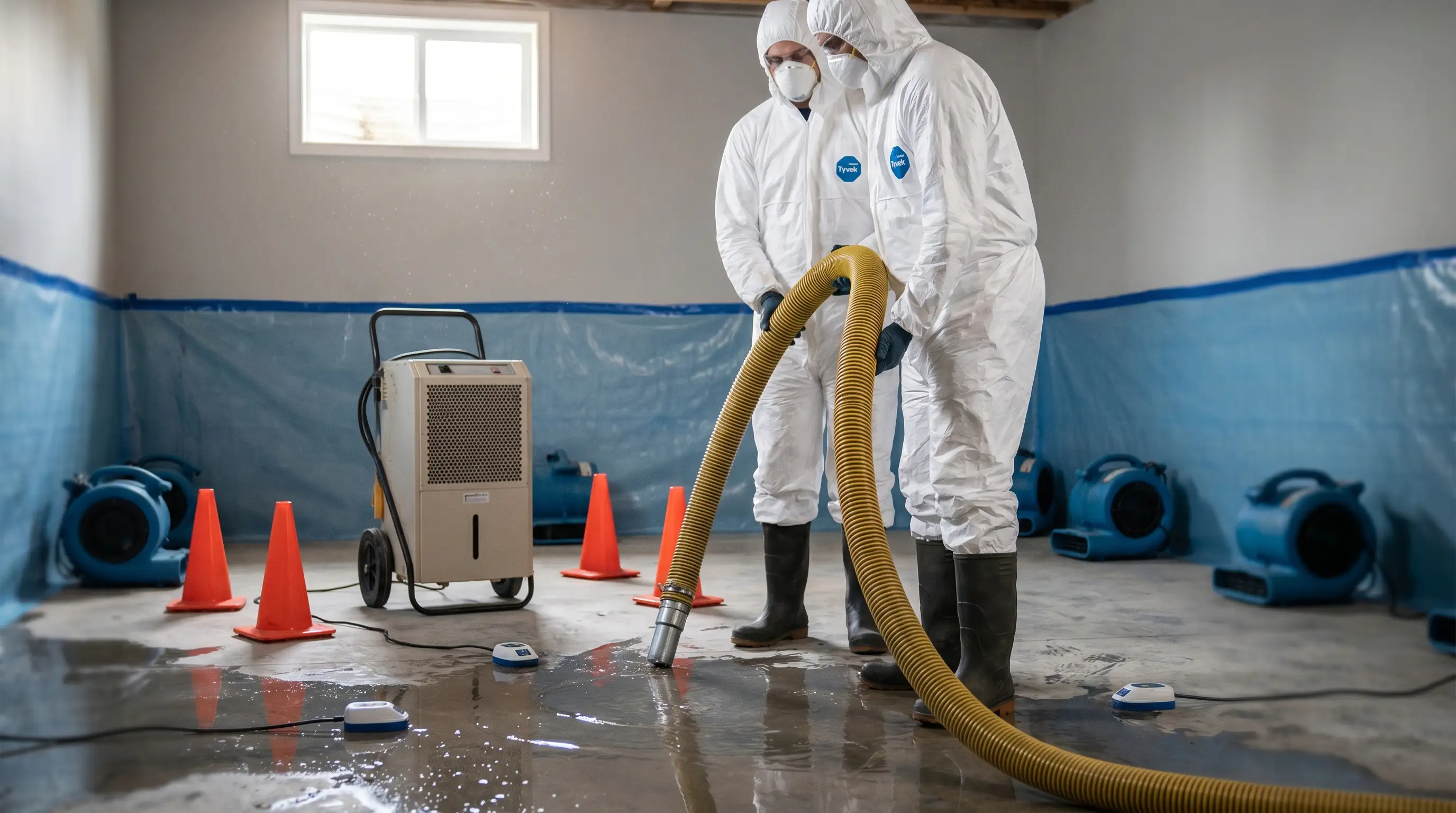
Water damage PPC in South Bend has a narrow window of maximum opportunity: the 0–4 hours after an emergency event begins, when homeowners search, call, and commit to a restoration provider. Every minute of campaign downtime during that window is a job lost to a competitor who stayed active. The companies that win this market aren't the ones with the biggest brand — they're the ones whose campaigns are live, optimized, and returning calls at 2am on a Saturday in March when the basement is flooding and the homeowner is on their phone.
MB Adv Agency builds water damage restoration campaigns with 24/7 scheduling, call-only emergency formats, insurance-navigation ad copy tracks, and seasonal budget logic that positions South Bend restoration companies ahead of spring flooding events. Our South Bend PPC management service includes ongoing bid optimization and campaign segmentation that separates emergency, insurance-pathway, and mold remediation intent into dedicated, non-competing ad groups.
View our PPC pricing plans for restoration companies at $1,500–$3,500 monthly ad spend, or explore our full managed Google Ads service. The right campaign structure in this market produces leads at $75–$130 CPL for jobs averaging $5,500–$12,000 — a ratio that makes paid search the highest-ROI lead channel available to South Bend restoration companies willing to run it correctly.
Frequently Asked Questions
What Does Water Damage Restoration PPC Cost in South Bend, IN?
Water damage restoration PPC in South Bend, IN costs $1,500–$3,500 per month in ad spend for a campaign covering emergency extraction, insurance-pathway, and mold remediation intent. Cost-per-click on core emergency keywords like "basement flooding south bend" and "water damage restoration south bend in" runs $12–$30, with burst pipe and winter emergency terms toward the higher end. A well-structured campaign at $2,000–$2,500/month generates 18–30 qualified leads per month at a cost-per-lead of $75–$130. Given that average insurance-paid restoration jobs run $5,500–$12,000, the CPL math produces a compelling ROI — a single insurance claim job covers weeks of ad spend. During the March–May spring surge, CPCs increase 30–50% as competition intensifies; budgeting for a seasonal increase of $400–$700/month during this window maintains campaign position when conversion opportunity peaks.
The 24/7 scheduling requirement affects cost structure meaningfully. Running campaigns continuously means budget depletes at a steady rate rather than concentrating in business hours. Most operators allocate $700–$1,200/month specifically for overnight and weekend coverage — the windows when emergency demand peaks and auction competition is simultaneously lowest. This overnight allocation consistently produces the best CPL in the entire campaign because conversion rates for emergency queries are highest (15–28% CVR) and competitive bid pressure is lowest at the same time.
Mold remediation keywords run at lower CPCs — typically $8–$20 per click — with materially less competition than primary emergency terms. Adding a dedicated mold remediation campaign segment improves overall portfolio CPL and captures follow-on revenue from jobs that originated as water extraction calls but required remediation services discovered during the initial assessment.
How Do South Bend Restoration Companies Compete With Servpro and ServiceMaster in Google Ads?
Servpro of South Bend and ServiceMaster Restore are the primary PPC competitors in South Bend's water damage category — two national franchises with consistent budgets, brand recognition, and Google Guaranteed LSA badges. Competing head-to-head on their primary broad keywords ("water damage south bend," "restoration company south bend") is expensive and delivers lower conversion rates because brand-searching users often have a specific franchise in mind already. The effective counter-strategy focuses on three structural advantages that independent local operators hold over franchises: speed signaling ("On-Site in 60 Minutes" versus a franchise's national 2-hour response standard), insurance claim flexibility (smaller operators can often negotiate directly with adjusters in ways franchise operations cannot), and neighborhood-specific keyword targeting where franchises rarely invest in long-tail geographic coverage outside their core terms.
The practical keyword segmentation splits into franchise-competitive terms where local operators participate selectively, and franchise-gap terms where local operators have structural advantages. Gap terms include specific neighborhood identifiers ("near west side water damage south bend"), specific event types ("spring flood basement cleanup south bend in"), and specific structural issues ("crawl space flooding south bend"). These long-tail terms convert at comparable rates to broad emergency terms at CPCs 20–40% lower because neither franchise maintains consistent coverage in this query space. Building a campaign foundation around gap terms before adding competitive terms maximizes budget efficiency.
LSA verification is the single clearest competitive equalizer. A locally-owned restoration company with a verified Indiana contractor license and a Google Guaranteed badge competes on equal visual footing with national franchises at the top of the search results page. Prioritize LSA verification before any paid search launch — it improves conversion rates for the emergency queries that generate the most valuable jobs.