Apple Ads vs Other App Advertising Platforms (2026)

Apple Ads vs Other App Ad Platforms — 2026
~65%
of App Store downloads happen directly after a search — the install intent only Apple Ads captures
Source: Apple, “Ads on the App Store” · App Store search ads convert ~56–66% (AppTweak / SplitMetrics) vs ~2–5% typical social/display (SEM Nexus / vmobify) · iOS-only, App-Store-native · Deterministic AdServices attribution, no ATT prompt
Apple Ads vs Other App Advertising Platforms: At a Glance
When an app marketer decides where the next user-acquisition dollar goes, the instinct is to slot Apple Ads next to Google App campaigns, Meta, and TikTok as “another way to buy app installs.” That framing is the most expensive misread in mobile UA. Apple Ads is not one more app-install channel, and it is not the iOS version of Google App campaigns. It is the only channel that reaches a user inside the App Store at the moment they search or browse for an app — the highest-intent surface in mobile user acquisition. Google App campaigns, Meta, and TikTok generate demand across more platforms and both operating systems; Apple Ads captures it on iOS. New to the platform itself? Start with what Apple Ads are (formerly Apple Search Ads).
The table below is the load-bearing reference for the whole comparison: it maps Apple Ads against Google App campaigns, Meta app ads, TikTok for Business, and the gaming networks (Unity / AppLovin) across category, reach, OS, intent, targeting, billing unit, and attribution. The sections that follow carry the detail under each dimension — the conversion-rate gap, the cost units, the attribution edge, and the decision matrix. For the inventory side, see Apple Ads placements and ad types; for the cost half, see how much Apple Ads cost.
| Dimension | Apple Ads | Google App campaigns (ex-UAC) | Meta app ads (Advantage+) | TikTok for Business (App Promotion) | Gaming networks (Unity/AppLovin) |
|---|---|---|---|---|---|
| Category | App-Store-native intent capture (iOS-only) | Automated cross-network demand gen | Social-graph reach + lookalikes | Short-form video, youngest audience | In-app rewarded/interactive (games) |
| Where it reaches | Inside the App Store (Today/Search tab/Search results/product pages) | Search, Google Play, YouTube, Display, Discover, Gmail | Facebook + Instagram feed/Stories/Reels | TikTok in-feed + the For You feed | Other apps/games (in-app ad slots) |
| OS reach | iOS / iPadOS ONLY | iOS + Android | iOS + Android | iOS + Android | iOS + Android |
| How the user arrives | Searching / browsing for an app (intent-rich) | Mixed (search intent + watching + browsing) | Socializing / scrolling (interruption) | Being entertained (short-form) | Playing another game (rewarded break) |
| Targeting model | Keyword + audience control (Advanced); Search Match automation | Fully automated (no manual keywords/placements) | Advantage+ broad + custom audiences + 1–3% lookalikes | Automated App Promotion (interest/behavior + creative-led) | Algorithmic + mediation bidding |
| Billing unit | Cost-per-tap (CPT), 2nd-price (Advanced); CPI on Basic | tCPI / tCPA (target install or action) | CPI / cost-per-action (auction) | CPI / oCPM (auction) | CPI / eCPM (in-app auction) |
| iOS attribution | Deterministic AdServices (no ATT prompt) + SKAN | SKAN / AdAttributionKit (anonymized) | SKAN / AdAttributionKit (anonymized) | SKAN / AdAttributionKit (anonymized) | SKAN / MMP (anonymized) |
| Best for | High-intent iOS capture + brand defense | Cross-network, cross-OS scale on autopilot | Broad reach + retargeting + lookalike scale | Gen-Z reach + viral short-form | Mobile-game UA at scale |
Sources: apple-ads shared verified-facts file (four App Store placements, CPT second-price auction, Basic CPI, Search Match, AdServices deterministic attribution + SKAN v1–3 since Apr 2025); Google Ads Help, “About App campaigns” (cross-network surfaces, full automation, tCPI/tCPA); Meta, “Advantage+ App Campaigns”; adlibrary, “Meta Ads for App Install 2026” (broad + lookalikes); vmobify, “TikTok App Install Campaigns 2026” (App Promotion objective, youngest audience); gamebizconsulting, “10 Best Mobile UA Networks 2026”; Gamigion (ironSource folded into Unity Apr 30, 2026). Each platform’s automation suite rebrands frequently — names current as of June 2026.
Read the table left to right as a single question: which channel does which job. Apple Ads owns App Store-native, iOS-only, cost-per-tap intent capture; the cross-network channels own broad demand generation across both operating systems. MB Adv Agency treats this routing map as the first artifact in any app-advertising plan, because the wrong frame at the start — “Apple Ads replaces Google” or “Google covers iOS well enough” — commits the budget to the wrong channel for the wrong job.
The Reframe: Apple Ads Captures Intent, the Others Generate Demand
The fix for the whole decision is one reframe. Google App campaigns, Meta, and TikTok generate demand; Apple Ads captures it. Google App campaigns are fully automated cross-network demand generation — Google’s machine learning serves your app across Search, Google Play, YouTube, Display, Discover, and Gmail from one set of assets, on iOS and Android (Google Ads Help, “About App campaigns”). Meta and TikTok are social and entertainment surfaces — people arrive to socialize or be entertained, and the ad interrupts that to earn attention. Apple Ads is different in kind: it places your app in front of someone who has already typed your category into the App Store search bar.
Apple’s own published data explains why that distinction carries so much weight. The figures below are Apple-published and citable — the strongest evidence for the “why Apple Ads” case (Apple, “Ads on the App Store”).
| Apple-published stat | Figure | What it means for the comparison |
|---|---|---|
| Weekly App Store visitors | Over 850 million | The iOS reach pool Apple Ads draws from |
| Visitors who use search to discover apps | 70% | Most App Store discovery is search-driven intent |
| Downloads that happen directly after a search | Almost 65% | The high-intent moment Apple Ads captures |
| Downloads after an ad tap that occur within a minute | 95% | Tap-to-install is one step inside the same surface |
| Conversion rate for ads at the top of search results | Over 60% | Structurally higher than any social/display surface |
Source: Apple, “Ads on the App Store” (all figures Apple-published). These are the strongest first-party evidence for the “why Apple Ads” case; third-party benchmarks are attributed separately in the conversion and cost sections below.
The reframe rewrites the query. The question is not “which app channel is better” — it is that Google, Meta, and TikTok build demand across networks and platforms, while Apple Ads captures it inside the App Store at the highest-intent moment in the install journey. MB Adv Agency anchors every iOS-relevant plan on that split, then measures each channel on its own job rather than stacking one channel’s metric against another’s.
What App Marketers Search: The Comparison Demand Picture
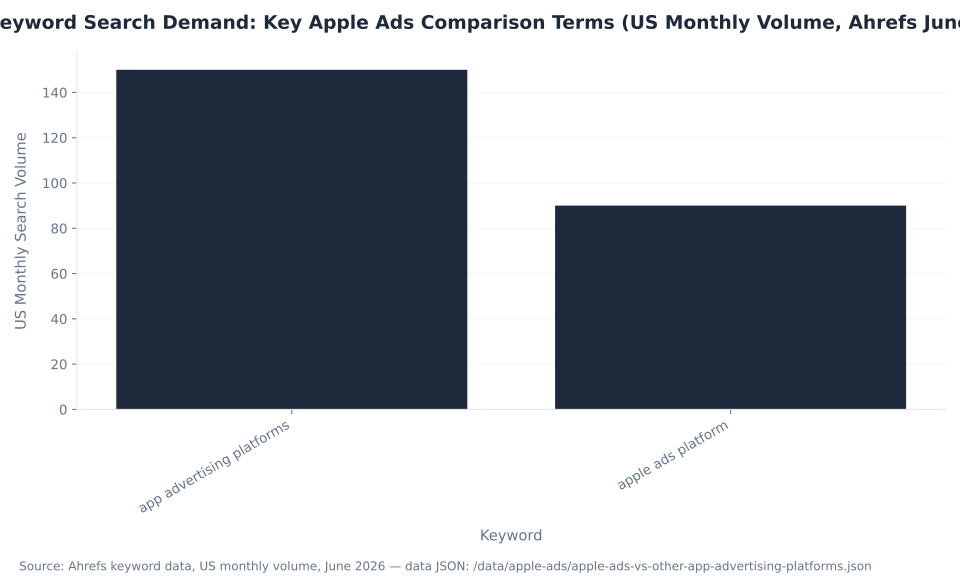
“App advertising platforms” leads this comparison cluster at 150 US monthly searches (Ahrefs, June 2026, KD 6, $11.00 CPC), and “apple ads platform” follows at 90 US monthly searches (KD 8, $6.00 CPC) — the exact term this page already ranks for. Both are low-difficulty, and the existing URL already surfaces for them. The SEO case here is not head-term volume; it is converting a near-page-1 impression footprint into clicks by being the most complete comparison answer on the query.
| Keyword | US Monthly Vol. | Global Vol. | KD | CPC (USD) | Notes |
|---|---|---|---|---|---|
| app advertising platforms | 150 | 200 | 6 | $11.00 | Primary measurable comparison head term |
| apple ads platform ★ | 90 | 150 | 8 | $6.00 | This page already ranks ~pos 8.1 for it (GSC) |
| apple ads vs google ads | 0 | 0 | — | — | Answered in full below; below Ahrefs volume threshold |
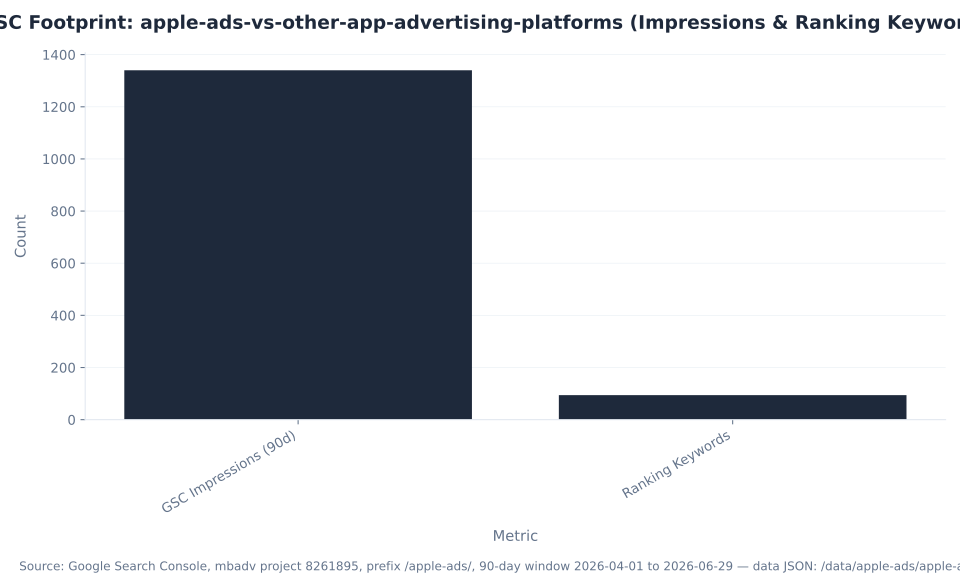
Source: Ahrefs Keywords Explorer, US monthly volume (12-month average), June 2026 — data JSON: /data/apple-ads/apple-ads-vs-other-app-advertising-platforms.json. GSC figures: Google Search Console, project 8261895 (mbadv.agency /apple-ads/ prefix), 90-day window April 1–June 29, 2026 (1,340 impressions, 94 ranking keywords, avg position ~8.1, 0 clicks).
The page this pillar upgrades already carries a real toehold: 1,340 Google Search Console impressions over the 90-day window (April 1–June 29, 2026) across 94 ranking keywords at an average position of ~8.1, with zero clicks (GSC, project 8261895). 1,340 impressions and 94 ranking keywords but no clicks is the classic page-too-thin-to-earn-the-click pattern — the win condition is depth and structure, not new keywords.
GSC Footprint: apple-ads-vs-other-app-advertising-platforms (Impressions & Ranking Keywords, 90d)
The Ahrefs demand picture confirms the same read: the comparison terms are low-difficulty and already within reach, so content quality — not link acquisition — is the barrier. “Apple ads vs google ads” reports zero US volume in Ahrefs, but that comparison is answered in full below.
Keyword Search Demand: Key Apple Ads Comparison Terms (US Monthly Volume, Ahrefs June 2026)
MB Adv Agency reads the zero-click gap as the entire brief for this upgrade: the at-a-glance table, the conversion-rate and attribution story, the cost translation, and the decision matrix are what convert a position-8 impression into a visit.
Why App Store Search Converts Unlike Anything Else
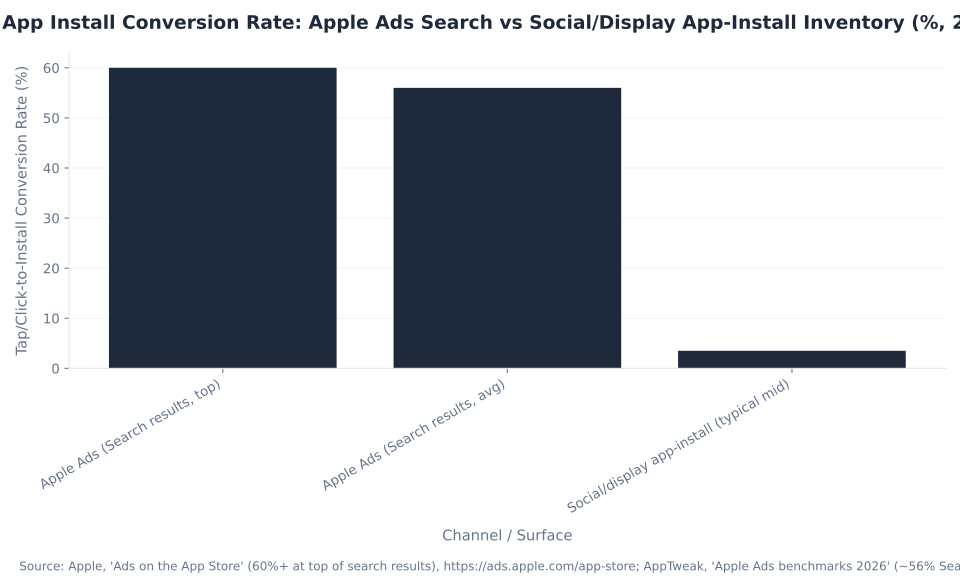
The reason Apple Ads converts unlike any cross-network or social channel is not a clever bid strategy — it is position in the funnel. App Store search-results ads convert at rates web and social advertisers find hard to believe. Apple cites industry-leading conversion rates over 60% for ads at the top of search results (Apple); third-party medians put Search-results conversion around 56% (AppTweak, 2026 benchmarks) to ~66% (SplitMetrics, 2025) — against the 2–5% typical of social and display app-install inventory (SEM Nexus; vmobify).
The mechanism is structural, not tactical. On the App Store the storefront is the ad network, so the distance between “saw the ad” and “installed the app” is one tap inside the same surface. Apple’s own data: 70% of App Store visitors use search to discover apps, and almost 65% of downloads happen directly after a search. A Meta ad has to interrupt a scroll; a TikTok ad breaks an entertainment feed; a display ad sits next to unrelated content — none of those users was thinking about your app. The contrast is funnel position, not optimization.
| Metric | Apple Ads (App Store search results) | Social / display app-install inventory (Meta/TikTok/Display) |
|---|---|---|
| How the user arrives | Actively searching/browsing for an app (intent already formed) | Scrolling / being entertained (intent not yet formed) |
| Tap/click → install CR | ~56% (AppTweak) to ~66% (SplitMetrics); 60%+ at top of search (Apple) | ~2–5% typical (SEM Nexus / vmobify) |
| Relative intent | Highest-intent paid iOS channel (10–25× social/display CR — vendor framing) | Lower per-impression intent; built for reach + demand generation |
| Why | Storefront IS the ad network — “saw it → installed” is one tap inside the App Store; 70% of visitors use search, ~65% of downloads after a search (Apple) | Ad interrupts unrelated activity; the user must form intent, then leave the feed for the store |
| The trade-off | Finite inventory per category; iOS-only — caps volume | Massive scale + Android + top-of-funnel demand the App Store can’t supply |
Sources: Apple, “Ads on the App Store” (60%+ conversion at top of search results; 70% use search; ~65% of downloads after a search); AppTweak, “Apple Ads benchmarks 2026” (Search-results CR ~56%); SplitMetrics, 2025 (Search-results CR avg ~66%); SEM Nexus, 2026 and vmobify, 2026 (2–5% typical social/display; the “10–25×” framing). The 2–5% and 10–25× figures are vendor framings, not Apple data; the contrast is funnel position, not “Apple Ads is better.”
App Install Conversion Rate: Apple Ads Search vs Social/Display App-Install Inventory (%, 2026)
MB Adv Agency reads the conversion gap as the price of intent, not proof that Apple Ads “wins.” Apple Ads converts because the user was already looking; the trade is that only so many people search your category on iOS at any moment, and the social and cross-network channels deliver the scale and the Android reach App Store search demand cannot supply. Their lower conversion rate is the cost of building demand the searcher has not formed yet — not inefficiency.
The Cost Comparison: Cost-Per-Tap vs Cost-Per-Install
Cost is where the comparison goes wrong most often, because the channels are not billed in the same unit. Apple Ads’ native billing unit on the Advanced tier is the cost-per-tap (CPT) — you pay when your ad is selected and tapped, in a second-price auction (CPM billing was retired in 2022; the Basic tier bills on CPI). The cross-network channels are bought and benchmarked on cost-per-install (CPI) and cost-per-action. A CPT and a CPI are different units measuring different events — a tap precedes the install decision; an install is the outcome — so a CPT and a CPI are never apples-to-apples. The table presents both, each attributed to its own vendor, as ranges.
| Metric | Apple Ads | Google App campaigns | Meta (FB/IG) | TikTok |
|---|---|---|---|---|
| Avg CPT (cost per tap) | ~$0.92 global median / $1.91 US (AppTweak); ~$2.25 top-category avg (SplitMetrics) | — (not a CPT channel) | — (not a CPT channel) | — (not a CPT channel) |
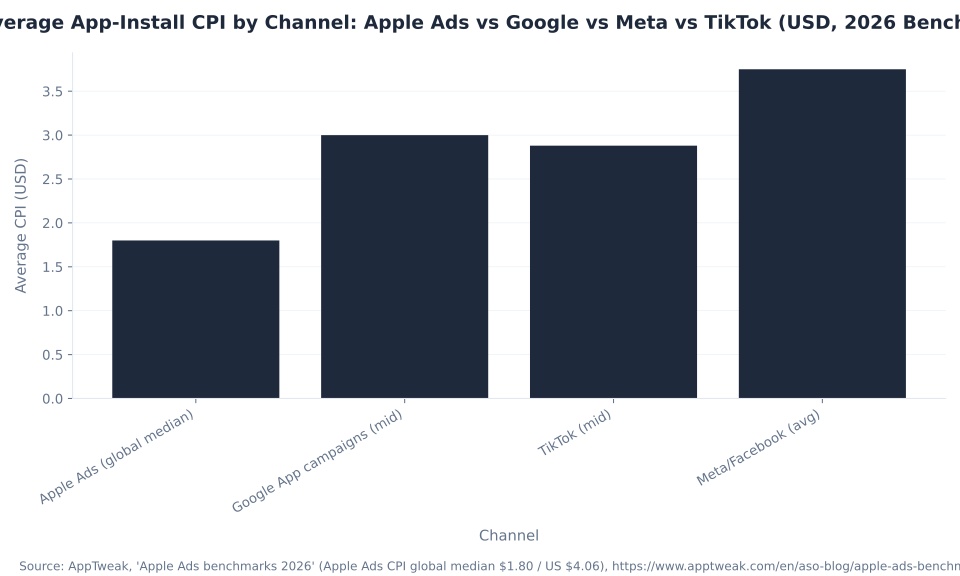
| Avg CPI (cost per install) | ~$1.80 global median / $4.06 US (AppTweak); ~$2.96 global (DigitalApplied) | ~$1.50–$4.50 (Business of Apps); ~$2.65–$3.50 (Admiral Media-cited) | ~$2.00–$5.50 FB (Business of Apps); ~$3.75 FB / $3.50–$4.00 IG | ~$1.75–$4.00 (Business of Apps); ~$2.45–$2.88 |
| Avg CPA (in-app action) | ~$3.76 (SplitMetrics, top-category avg) | tCPA-set (varies by event/vertical) | Cost-per-action (varies); −20–35% CPI via Advantage+ | Cost-per-action (varies by event) |
| OS cost context | iOS-only (no Android) | Global avg CPI ~iOS $2.52 / Android $1.29 (Business of Apps); iOS runs higher across all cross-network channels | ||
| What the cost buys | High-intent iOS capture + deterministic attribution + 56–66% CR | Automated cross-network, cross-OS scale | Social-graph reach + lookalikes + retargeting | Youngest audience + viral short-form |
Sources: AppTweak, “Apple Ads benchmarks 2026” (CPT global median $0.92 / US $1.91; CPI global median $1.80 / US $4.06); SplitMetrics, 2025 (CPT avg $2.25 / CPA avg $3.76); DigitalApplied, 2026 (Apple Ads ~$2.96 CPI global); Business of Apps, “Cost per Install (CPI) Rates” (Facebook $2.00–$5.50, TikTok $1.75–$4.00, Google $1.50–$4.50; iOS $2.52 / Android $1.29); adlibrary (Advantage+ −20–35% CPI). Apple Ads’ native unit is the cost-per-tap (CPT); the cross-network channels are benchmarked on cost-per-install (CPI) — a CPT and a CPI are different units and are not directly comparable. Figures span different vendors and methodologies; presented as ranges.
Average App-Install CPI by Channel: Apple Ads vs Google vs Meta vs TikTok (USD, 2026 Benchmarks)
MB Adv Agency reads cost against intent and OS, never as a lone “cheapest CPI” race. Apple Ads’ global median CPI (~$1.80, AppTweak) is competitive on paper, but the unit it buys is a user who searched the category on the App Store and tapped with 56–66% intent, measured deterministically at the keyword level — not an interrupted scroll measured through an anonymized postback. For the full cost breakdown, see how much Apple Ads cost.
Apple Ads vs Google App Campaigns: The Most Common Confusion
The single costliest error in app UA is treating Apple Ads and Google App campaigns as interchangeable. They sit at different positions in the funnel and reach different platforms. Apple Ads is App-Store-native, iOS-only demand capture: it puts your app in front of users searching or browsing inside the App Store (the four placements — Today tab, Search tab, Search results, and product pages), with keyword and audience control and a cost-per-tap second-price auction on the Advanced tier, and it attributes deterministically without the ATT prompt.
Google App campaigns are cross-network, cross-OS demand generation: Google’s machine learning serves your app across Search, Google Play, YouTube, Display, Discover, and Gmail on both iOS and Android, fully automated — you supply assets and a bid goal (target CPI or target CPA) and do not choose keywords or placements (Google Ads Help; megadigital, “What Are Google App Campaigns 2026”). One catches intent at the moment of App Store search; the other generates demand across Google’s whole surface area. They are complements, not alternatives.
The practitioner answer for most iOS-relevant apps is not one or the other — it is both, each for its job. MB Adv Agency anchors high-intent iOS capture on Apple Ads and runs Google App campaigns for automated cross-network, cross-OS scale (Benly, “Google Ads App Campaigns 2026”). Apps are software businesses, and SaaS and software advertisers run the closest playbook to App Store UA — see how we weight high-intent capture against demand-gen channels in our SaaS & software PPC services.
Measurement & Attribution: AdServices vs SKAN
The measurement edge is the structural advantage app marketers most often miss. Apple Ads attributes deterministically, without the ATT prompt, while every cross-network iOS channel lives in the SKAdNetwork fog. Apple Ads’ own attribution — through the first-party AdServices framework and the Apple Ads Attribution API — returns campaign, ad-group, keyword, and creative-level data regardless of App Tracking Transparency consent, with no IDFA and no “Ask App not to Track” prompt required (Apple, “App ad attribution overview”; Adjust).
Google App campaigns, Meta, and TikTok measure iOS installs primarily through SKAdNetwork (SKAN 4) and AdAttributionKit: anonymized, campaign-level postbacks with conversion-value coarsening and crowd-anonymity thresholds, and no user-level deterministic link unless the user opts into ATT. The context sharpens the edge: only 21% of iOS app marketers describe themselves as confident in their iOS attribution (Kochava Foundry, 2026).
| Capability | Apple Ads | Google App campaigns | Meta app ads | TikTok app ads |
|---|---|---|---|---|
| iOS reach | Yes — the whole product | Yes | Yes | Yes |
| Android reach | No | Yes | Yes | Yes |
| Native iOS attribution | AdServices — deterministic, keyword-level, no ATT prompt | SKAN / AdAttributionKit (anonymized) | SKAN / AdAttributionKit (anonymized) | SKAN / AdAttributionKit (anonymized) |
| Needs ATT prompt to attribute? | No (ATT only upgrades Standard → Detailed payload) | ATT needed for deterministic/user-level; else SKAN-only | ATT needed for deterministic/user-level; else SKAN-only | ATT needed for deterministic/user-level; else SKAN-only |
| SKAN participation | Yes — registered SKAN v1–3 since Apr 10, 2025 | Yes (SKAN 4 / AAK) | Yes (SKAN 4 / AAK) | Yes (SKAN 4 / AAK) |
| Granularity (iOS, no ATT) | Campaign / ad group / keyword / creative | Campaign-level postbacks (coarsened) | Campaign-level postbacks (coarsened) | Campaign-level postbacks (coarsened) |
Sources: apple-ads shared verified-facts file (AdServices deterministic regardless of ATT; Standard vs Detailed payload; Apple Ads registered SKAN v1–3 Apr 10, 2025; AdAttributionKit); Apple, “App ad attribution overview” (0094); Adjust, “Apple Search Ads now included in SKAdNetwork”; Kochava Foundry, 2026 (only 21% of iOS marketers confident in iOS attribution). Apple Ads also participates in SKAN, and cross-app/MMP attribution still relies on SKAN for every channel including Apple Ads; the deterministic edge is specifically about Apple-Ads-attributed installs.
The honest nuance keeps the claim precise: Apple Ads itself also registered with SKAdNetwork (versions 1–3) on April 10, 2025, so it participates in the anonymized path too, and cross-app measurement through a mobile measurement partner (AppsFlyer, Adjust, Singular) still relies on SKAN for every channel, Apple Ads included. The deterministic AdServices advantage is specifically about Apple-Ads-attributed installs — not a blanket claim that Apple Ads sidesteps all of iOS privacy. MB Adv Agency’s read: in the post-ATT world, Apple Ads is the one iOS channel where you can trust what converted, at the keyword level, without a consent prompt. The mechanics are unpacked in Apple Ads attribution and privacy.
Why Apple Ads Is Structurally Different: Targeting, Automation & Creative
Underneath cost and conversion sits the conceptual core: Apple Ads gives you keyword control where the cross-network channels automate everything. On the Advanced tier, Search-results campaigns are keyword-targeted (broad and exact match — there is no phrase match in Apple Ads — plus the Search Match automation setting), so you bid on the search terms that signal intent. Google App campaigns are fully automated (assets and a bid goal, no manual keywords or placements); Meta targets through broad Advantage+, custom audiences, and 1–3% lookalikes; TikTok targets through interest, behavior, and creative-led discovery.
The other structural difference is where the tap lands. An Apple Ads tap opens the App Store product page inside the store — the user never leaves. A Meta, TikTok, or Google App-campaign tap sends the user out of a feed or a video to the store. The table maps keyword control, targeting model, automation level, creative system, and where the buy happens across the four channels.
| Capability | Apple Ads | Google App campaigns | Meta app ads | TikTok app ads |
|---|---|---|---|---|
| Keyword control | Yes — broad/exact + Search Match (Advanced, Search results) | No (fully automated) | No (audience/interest-based) | No (interest/behavior + creative) |
| Targeting model | Intent (keyword) + audience refinements | Automated signals across Google surfaces | Broad Advantage+ + lookalikes + custom audiences | Interest/behavior + creative-led discovery |
| Automation level | Optional (Maximize Conversions auto-bidder) — manual control available | Maximal — assets + bid goal only | High — Advantage+ default | High — App Promotion automates placement/audience |
| Creative | Custom Product Pages / ad variations (App Store assets) | Asset combinations auto-assembled (text/image/video/HTML5) | Vertical video, UGC-style; static + video | Vertical 9:16 video; Spark Ads (boost native posts) |
| Where the tap lands | App Store product page (in-store, no exit) | App Store / Play Store | App Store / Play Store (leaves the feed) | App Store / Play Store (leaves the feed) |
| Bought inside | Apple Ads console (ads.apple.com) | Google Ads | Meta Ads Manager | TikTok Ads Manager |
Sources: apple-ads shared verified-facts file (Apple Ads — broad/exact match, Search Match, Maximize Conversions, Custom Product Pages, console at ads.apple.com; in-store tap to product page); Google Ads Help, “About App campaigns” (asset-based automation, no manual keywords/placements); adlibrary, “Meta Ads for App Install 2026” (Advantage+ broad + lookalikes; UGC vertical video); vmobify, “TikTok App Install Campaigns 2026” (App Promotion automation; Spark Ads). Apple Ads has broad + exact match only (no phrase match); Search Match is an automation setting; Custom Product Pages power ad variations (Creative Sets are retired).
MB Adv Agency treats keyword control plus intent targeting plus the in-store tap as the spine of the platform — it is what makes Apple Ads a capture tool rather than a generation tool. For the keyword and match-type detail, see Apple Ads targeting and keywords; running the channel split — keyword themes, bids, budgets, and the weighting against Google, Meta, and TikTok — is ongoing work covered by our PPC campaign management service.
Apple Ads vs Meta, TikTok & the Gaming Networks
Apple Ads’ iOS-only, App-Store-native footprint is both its power and its boundary. Apple Ads reaches users only on the App Store, only on iOS and iPadOS — there is no Android inventory and no open-web or social-feed reach. That focus is what makes its intent so high, and it is also why Apple Ads can never be a sole channel for a cross-platform app: Apple Search Ads inventory is finite per category, so most teams blend it with Meta and TikTok rather than treating it as the only channel (DigitalApplied, 2026).
The cross-network channels are the opposite shape. Meta scales the largest social graph with broad Advantage+ targeting, retargeting, and 1–3% lookalikes off your highest-value cohorts (Meta, “Advantage+ App Campaigns”; adlibrary, 2026). TikTok reaches the largest under-30 audience with short-form, video-first virality and Spark Ads that boost native creator content (vmobify, “TikTok App Install Campaigns 2026”). For mobile games, Unity Ads and AppLovin own rewarded and interactive in-app inventory, with ironSource fully folded into Unity as of April 30, 2026 (Gamigion, 2026; gamebizconsulting, 2026).
If your app is Android-first, or you need install volume beyond what iOS App Store search demand can supply, Apple Ads is a complement, not a substitute. MB Adv Agency anchors high-intent iOS capture on Apple Ads and buys scale, Android, and top-of-funnel demand from Google, Meta, and TikTok. Treating Apple Ads as the iOS channel that replaces the others leaves Android and the top of the funnel uncovered; treating the others as good enough for iOS leaves the highest-intent surface in mobile UA on the table. Deciding where each fits is a cross-channel media question — see how we approach it in our PPC services.
Which Platform for Which Goal: The Decision Matrix
“Run more than one” is the mature answer — but the work is the role each channel plays, not the choice. For a serious UA plan, Apple Ads, Google App campaigns, Meta, TikTok, and the gaming networks are not substitutes; they stack, each matched to a job. The matrix below keys the recommendation to your goal, your OS coverage, and where the app sits on the funnel — conditional leans, not absolute winners.
| Your goal / scenario | Lean toward | Why |
|---|---|---|
| Catch the highest-intent iOS installs at the moment of App Store search | Apple Ads | Only channel inside the App Store at search time; 56–66% CR; deterministic, keyword-level attribution without ATT |
| Defend your brand/category terms on the App Store | Apple Ads | Competitor-conquest + brand keywords are an Apple-Ads-only lever; no other channel sits in App Store search |
| Reach Android users (or a cross-platform app) at scale | Google App campaigns (+ Meta) | Apple Ads is iOS-only; Google App campaigns automate both OSes across 5+ surfaces |
| Automated cross-network scale with minimal management | Google App campaigns | Assets + a bid goal (tCPI/tCPA); Google ML handles keywords, placements, bids across Search/Play/YouTube/Display/Discover |
| Broad reach + retargeting + lookalikes off your best users | Meta (Advantage+) | Largest social graph; broad Advantage+ + 1–3% lookalikes of purchasers/high-value cohorts |
| Reach the youngest (Gen-Z) audience with short-form video | TikTok | Largest under-30 audience; video-first; Spark Ads boost native creator content for app installs |
| Scale a mobile GAME via in-app/rewarded inventory | Unity / AppLovin (+ Apple Ads for iOS search) | Rewarded/interactive in-app slots + mediation; ironSource now folded into Unity (Apr 30, 2026) |
| A serious, full-coverage iOS+Android UA plan | Apple Ads + Google + Meta/TikTok | Anchor high-intent iOS capture on Apple Ads; layer Google for cross-OS scale, Meta/TikTok for reach + Android + demand gen |
Sources: apple-ads shared verified-facts file (Apple Ads intent capture, competitor conquest, Maximize Conversions, iOS-only); Google Ads Help, “About App campaigns” (automated cross-network/cross-OS); Meta, “Advantage+ App Campaigns”; vmobify (TikTok youngest audience + Spark Ads); gamebizconsulting (Unity/AppLovin UA); DigitalApplied (most teams blend Apple Ads with Meta/TikTok — finite App Store search inventory). Conditional leans keyed to the goal, the OS, and where the app sits on the funnel — running more than one, with Apple Ads as the high-intent iOS anchor, is the mature default.
The split is keyed to the job: an Android-first app leans Google and Meta; a Gen-Z social app leans TikTok; a hyper-casual game leans Unity and AppLovin — and almost every iOS-relevant plan under-weights Apple Ads, because it is the one channel that catches the searcher at the moment of decision and reports, deterministically, that it did. MB Adv Agency’s approach is to match the channel to the job first, anchor iOS search intent on Apple Ads, layer the cross-network channels for reach and Android, and measure each on its own metric. Not sure how to split your user-acquisition budget across Apple Ads, Google App campaigns, Meta, and TikTok? Talk to our team for an App Store advertising and PPC strategy consult.
App & SaaS Paid Acquisition
Weighing high-intent capture against demand-gen scale
Apple Ads is one channel in a paid-acquisition mix that usually also includes Google App campaigns, Meta, and TikTok. Apps are software businesses, and our team builds the cross-channel plan — capture, scale, and measurement — the way SaaS and software advertisers do.
SaaS & software PPC →How to Choose Between Apple Ads and Other App Advertising Platforms
First, define your goal and where it sits on the funnel. Apple Ads captures App Store search intent; Google, Meta, and TikTok generate demand. If the job is to catch users already searching your category on iOS, that is an Apple Ads job; if the job is to build awareness and demand across networks, that is a cross-network job. Second, check your OS coverage. Apple Ads is iOS-only, so any Android requirement has to be bought from Google App campaigns, Meta, TikTok, or the gaming networks — all of which run both operating systems.
Third, weight high-intent capture against reach. Use Apple Ads for the highest-intent iOS installs and deterministic, keyword-level attribution; use the others for scale and top-of-funnel demand. Fourth, match the channel to the job: Apple Ads for iOS search and brand defense, Google App campaigns for automated cross-OS scale, Meta for social reach and lookalikes, TikTok for Gen-Z short-form video, and Unity or AppLovin for mobile-game rewarded inventory.
Fifth, compare cost next to intent and OS — never a CPT against a CPI in isolation. Apple Ads’ cost-per-tap and another channel’s cost-per-install are different units; read each cost against the kind of user and the confidence of measurement it buys. Sixth, anchor iOS capture on Apple Ads, then layer the cross-network channels and measure each on its own metric. MB Adv Agency runs this exact sequence on every app-advertising plan, and the discipline is what keeps a budget from over-paying for low-intent reach or leaving high-intent iOS capture on the table. For hands-on management of the split, see our PPC campaign management service or the broader PPC services hub; once Apple Ads earns its place, optimizing Apple Ads campaigns is how the iOS layer pulls its weight.
Misconceptions This Pillar Refutes
Four pieces of drift dominate app-platform comparisons in 2026. Each is corrected by primary documentation and named-vendor data, not opinion.
1. “Apple Ads and Google App campaigns are basically interchangeable — pick one.” Wrong. They sit at different funnel positions and reach different platforms. Apple Ads is App-Store-native, iOS-only demand capture with keyword control and deterministic attribution; Google App campaigns are cross-network, cross-OS demand generation, fully automated across Search, Google Play, YouTube, Display, Discover, and Gmail (Google Ads Help). They are complements, not alternatives — the right answer for most iOS-relevant apps is to run both.
2. “Apple Ads reaches Android users too.” No. Apple Ads is Apple’s first-party App Store ad system — iOS and iPadOS only, with no Android inventory, no Google Play presence, and no open-web or social-feed reach. To reach Android (the majority of global smartphones) you need Google App campaigns, Meta, TikTok, or the gaming networks. Apple Ads’ iOS-only focus is exactly why its intent is so high and why it can never be the sole channel for a cross-platform app.
3. “Social and cross-network app-install ads convert about the same as App Store search ads.” Not close. App Store search ads convert because the user already typed the category into the search bar — Apple cites 60%+ at the top of search results, and third parties measure ~56% (AppTweak) to ~66% (SplitMetrics), against the 2–5% typical of social and display app-install inventory (SEM Nexus). The difference is stage of funnel, not optimization — and the social and cross-network channels deliver the scale and Android reach App Store search cannot.
4. “Apple Ads measurement is just as blind as the other iOS channels — it all runs on SKAN now.” Half-true, and the wrong half matters. Apple Ads did register with SKAdNetwork (versions 1–3) on April 10, 2025, so it joins the anonymized postback path. But Apple Ads also has a first-party deterministic path the others do not: AdServices and the Apple Ads Attribution API attribute at the campaign, ad-group, keyword, and creative level regardless of ATT consent (Apple; Adjust). It is the one iOS channel where keyword-level attribution survives without a consent prompt — in a market where only 21% of iOS marketers feel confident in their attribution (Kochava Foundry, 2026).
Apple Ads vs Other App Advertising Platforms FAQ
Cross-Channel App Acquisition
Apple Ads, Google App campaigns, Meta & TikTok — the split, set right
Deciding how much high-intent iOS capture to anchor on Apple Ads and how much scale to buy from the cross-network channels is a media-mix question. Our team builds and manages the plan end to end.
PPC services →Talk to our teamMethodology
This pillar is an upgrade-in-place on the live URL apple-ads-vs-other-app-advertising-platforms — it publishes on its own slug with no self-redirect. Reach and intent facts are Apple-published (Apple, “Ads on the App Store”). Conversion-rate figures are attributed per source: ~56% (AppTweak, 2026), ~66% (SplitMetrics, 2025); the 2–5% typical social/display range and the “10–25×” framing (SEM Nexus / vmobify) are vendor characterizations, not Apple data. Cross-platform CPI is from Business of Apps and DigitalApplied; attribution facts from Apple (0094), Adjust, and Kochava Foundry. Apple Ads’ native unit is the cost-per-tap (CPT); the cross-network channels are benchmarked on cost-per-install (CPI) — different units that are never compared directly. No general web-search PPC benchmark is applied to Apple Ads or any app-install figure, because those sources publish no Apple or app-install data. Search-volume data: Ahrefs, June 2026; GSC: Google Search Console, project 8261895, 90-day window April 1–June 29, 2026. MB Adv Agency has no Apple-Ads client benchmark dataset — all agency POV is qualitative. Reviewed by MB Adv Agency, June 2026.
In the rapidly evolving world of mobile applications, advertising has become a cornerstone for growth and user acquisition. Developers are continuously exploring various platforms to maximize their reach and effectiveness. Among these platforms, Apple Ads stands out as a significant player, particularly for those operating within the Apple ecosystem. This article delves into how Apple Ads compares to other app advertising platforms, particularly Google Ads and Meta Ads, while also examining the unique advantages Apple Ads offers app developers.
Apple Ads vs. Other App Advertising Platforms
As mobile usage surges, so does the need for effective advertising strategies. Apple Ads is designed to cater specifically to users of Apple devices, which can offer developers unique advantages compared to broader platforms like Google Ads and Meta Ads.
Apple Ads harnesses the power of Apple’s vast ecosystem, which includes the App Store, Apple Search Ads, and Apple’s focus on privacy. This enables developers to reach highly relevant audiences without the distraction of additional apps or non-related content. The seamless integration of Apple Ads within the App Store allows for a more organic discovery process, where users can find apps that align with their interests and needs, enhancing the likelihood of engagement and conversion.
In contrast, Google Ads platforms, which encompass Google Search and the Google Display Network, cast a wider net that can sometimes dilute targeting efforts. While it's beneficial for broad visibility, it may not focus on users actively searching for applications or services in the same way Apple Ads does. This broader approach can lead to higher traffic but may result in lower-quality leads, as users may not have the same level of intent when clicking on ads outside of the app ecosystem.
Meta Ads, primarily centered around Facebook and Instagram, offer rich targeting options based on social behaviors and user interactions but may face challenges concerning Apple's privacy framework, such as App Tracking Transparency (ATT). This warrants a comparison of effectiveness, especially when targeting mobile app audiences. The reliance on social media interactions can sometimes overshadow the specific needs of app developers, who may find that their target audience is less engaged in a social context compared to a dedicated app environment.
Comparison with Google Ads and Meta Ads
When comparing Apple Ads to Google Ads and Meta Ads, it becomes evident that each platform has its strengths and weaknesses that can enhance or hinder a campaign's success depending on the goals set by developers.
- Targeting: Apple Ads allows for targeting based on user intent through the App Store, focusing on keywords and search queries. In contrast, Google Ads utilize a broader targeting system that encompasses various online behaviors. Meta Ads depend heavily on social interactions, which may not correlate with app downloads. This distinction is crucial for developers who want to ensure their advertising dollars are spent effectively, reaching users who are already in the mindset to download an app.
- Cost Structure: Apple Ads utilizes a cost-per-tap (CPT) model, allowing advertisers to pay only when users interact with their ads. Google Ads generally operates on a cost-per-click (CPC) basis, meaning developers pay for clicks regardless of user engagement. Meta Ads can vary but often focus on overall impressions. This difference in cost structures can significantly impact the return on investment for developers, making it essential to choose a platform that aligns with their financial strategy and user engagement goals.
- Conversion Rates: Apple Ads have shown higher conversion rates for app installs due to more relevant targeting of users already looking for specific apps. In contrast, while Google Ads may attract initial interest, the conversion rate may not reflect the same immediate user intent as seen with Apple Ads. This can be particularly important for new app launches, where capturing the right audience quickly can make or break a campaign.
This comparison highlights the nuanced way Apple Ads interact with potential users, often leading to a more focused and efficient advertising strategy for app developers who prioritize the Apple ecosystem. The ability to tap into a user base that is not only engaged but also predisposed to downloading apps can create a significant advantage in a competitive market.
Unique Features of Apple Ads
Apple Ads sets itself apart with several unique features that merit consideration from developers:
- Privacy Focus: With Apple’s commitment to user privacy, users can trust the ads they see are not based on invasive tracking practices typical on other platforms. This privacy-first approach can enhance brand reputation, as consumers increasingly favor companies that prioritize their data security. By aligning with these values, developers can foster a loyal user base that appreciates transparency and ethical advertising practices.
- Search Ads Integration: Apple Search Ads are tailored specifically for the App Store, enabling developers to place their app at the forefront when users perform relevant searches, thus increasing visibility and install rates. This targeted approach allows developers to capitalize on high-intent searches, ensuring that their app is presented to users who are actively seeking solutions that their app provides.
- Attribution and Analytics: Apple provides robust tools for tracking installs and user interactions, allowing developers to measure the effectiveness of their campaigns in real-time. These analytics can guide future advertising strategies and optimizations. The insights gained from this data can help developers refine their messaging and targeting, ultimately leading to more successful campaigns and higher user retention rates.
These unique features of Apple Ads bolster its appeal to developers keen on creating a strong presence within the Apple ecosystem, providing a dedicated approach not available on broader platforms. The emphasis on user experience and targeted advertising makes Apple Ads a compelling choice for developers looking to maximize their app's potential in a crowded marketplace. Additionally, the integration of advanced analytics tools allows for continuous improvement, ensuring that campaigns evolve alongside user preferences and market trends.
Advantages of Apple Ads for app developers
For app developers searching for the right advertising platform, Apple Ads offers a range of advantages that can significantly optimize marketing efforts and financial investments.
One of the primary benefits is the targeted user base. Developers can reach a segmented audience that is already engaged with the Apple ecosystem, ensuring tailored advertising efforts reach likely converters rather than random users.
Furthermore, Apple Ads allows for quick iteration of campaigns based on user data. The real-time insights generated through Apple’s analytics support swift decision-making, helping developers adjust their strategies to enhance both engagement and download figures.
Additionally, the increased visibility through Apple Search Ads means that even smaller developers can compete more effectively with larger brands in the App Store. This democratic access encourages innovation and diversification within the app market.
Cost Efficiency
Many developers are concerned about advertising costs, particularly with tighter budgets in the competitive app landscape. Apple Ads proves to be cost-efficient, as the pay-per-tap model ensures spending aligns more closely with actual user engagement.
By focusing expenditures on users who have already demonstrated interest in the app category, Apple Ads minimizes wastage often seen with broader advertising campaigns. Consequently, developers are likely to see better returns on investment and lower customer acquisition costs compared to other platforms.
Moreover, Apple Ads provides developers with the opportunity to set their own budgets and control their spending, allowing for a more tailored approach to advertising. This level of control can be particularly beneficial for startups and indie developers who may not have the extensive financial resources of larger companies. By strategically allocating funds to the most effective campaigns, developers can maximize their reach without overspending.
Creative Flexibility
With Apple Ads, developers benefit from creative flexibility in crafting engaging advertisements that resonate with audiences. The ability to use app previews and screenshots allows developers to showcase their apps effectively, drawing users in through appealing visual content.
This creative showcasing not only enhances user experience but also positions the app within its appropriate context, which can lead to higher install rates. The more appealing an ad is, the more likely it is to attract the right audience.
Additionally, Apple Ads supports various ad formats, including video ads, which can be particularly effective in demonstrating app functionality and user experience. By utilizing dynamic and interactive content, developers can create a narrative around their app that captivates potential users. This storytelling approach not only highlights the unique features of the app but also builds an emotional connection with the audience, making them more likely to engage and convert.
When to choose Apple Ads
Deciding when to choose Apple Ads over other advertising platforms hinges on the specific goals and circumstances of app developers.
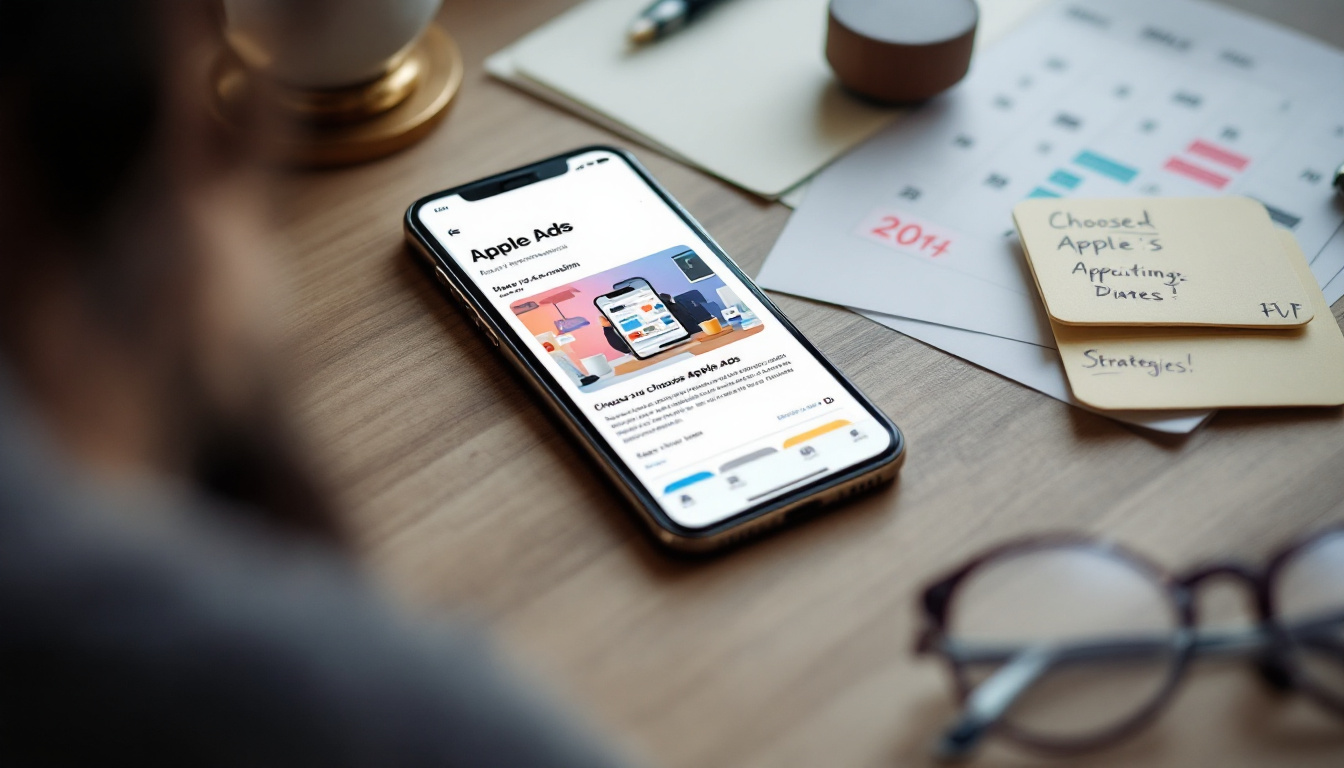
If the primary objective is to acquire users within the Apple ecosystem efficiently, leveraging Apple Ads becomes an optimal choice. When focusing on user intent and acquisition, the targeted nature of Apple Ads enhances the likelihood of users converting.
Moreover, if developers are already pursuing a mobile-first strategy or their app offers unique functionalities benefiting from Apple’s privacy-focused approach, selecting Apple Ads can further align marketing efforts with user expectations.
Another critical consideration is the budgetary constraints faced by developers. Apple Ads offers a way to effectively utilize advertising funds, minimizing spending while maximizing output in terms of app installations.
Conclusion
In summary, while Apple Ads presents substantial advantages in privacy, targeted user acquisition, and cost efficiency for app developers, the choice of advertising platform ultimately depends on individual goals, target audiences, and budget constraints.
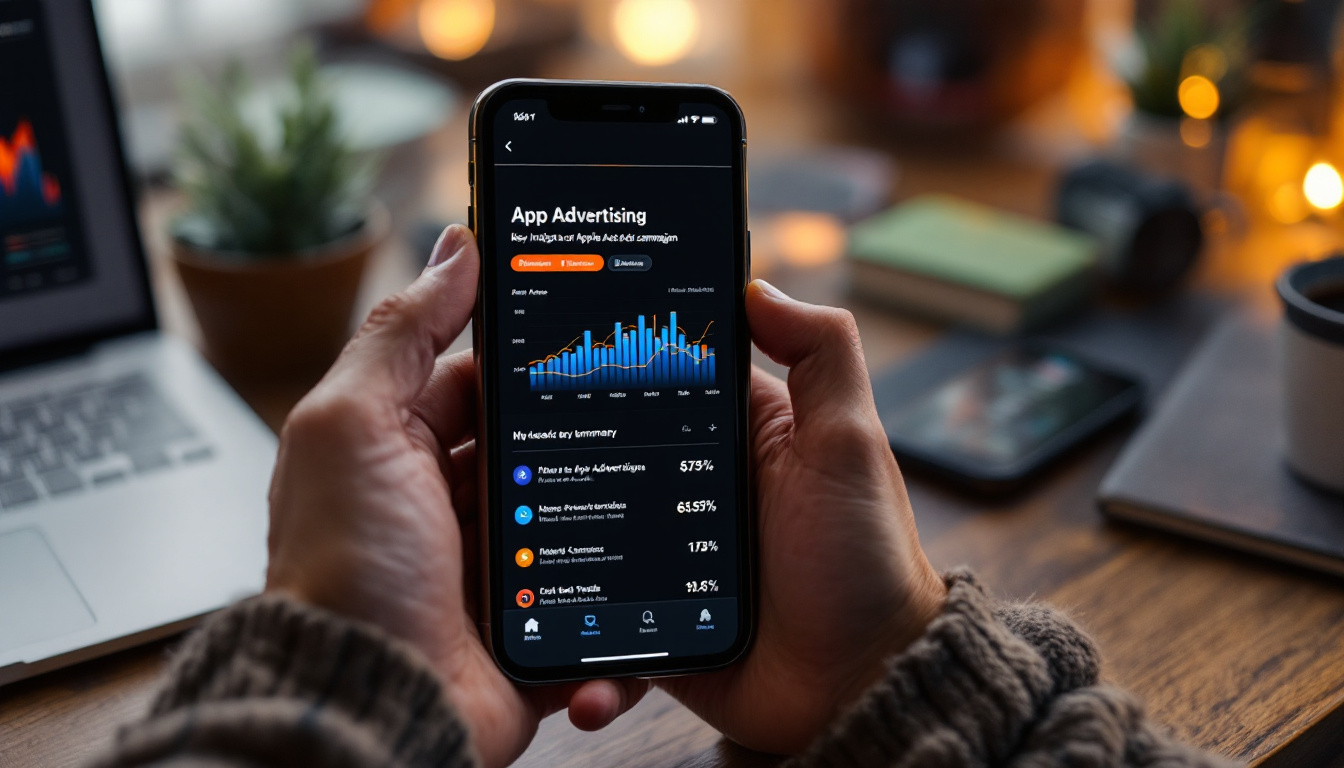
As the mobile app market continues to evolve, informed decisions will empower developers to capitalize on the strengths of Apple Ads while balancing the offerings of other platforms like Google Ads and Meta Ads accordingly.

As a Google Ads expert, I bring proven expertise in optimizing advertising campaigns to maximize ROI.
I specialize in sharing advanced strategies and targeted tips to refine Google Ads campaign management.
Committed to staying ahead of the latest trends and algorithms, I ensure that my clients receive cutting-edge solutions.
My passion for digital marketing and my ability to interpret data for strategic insights enable me to offer high-level consulting that aims to exceed expectations.
Google Partner Agency
We're a certified Google Partner Agency, which means we don’t guess — we optimize withGoogle’s full toolkit and insider support.
Your campaigns get pro-level execution, backed by real expertise (not theory).

4.9 out of 5 from 670+ reviews on Fiverr.
That’s not luck, that’s performance.
Highly recommend Matteo to set up your server side tracking. He has a deep understanding of e-commerce tracking and will go above and beyond to make sure everything is set up correctly and working 100%. If you are scaling your store this set up is non-negotiable in my opinion and there isn't many people who have this much knowledge or put the effort in to get it right. Thanks again!

avorodesign.com
I can only recommend Matteo! He was very patient, professional and very knowledgeable about GA4, Consent Mode v2, and GDPR compliance. Communication was clear, and the setup was done professionally and efficiently. Highly recommend him for anyone needing reliable tracking implementation.

www.natureiki.life
Matteo shines in the realm of online professionals. His work is not only deep in data but also complemented by his proactive communication and cooperation, setting a new standard for freelancers. If you want someone who truly exceeds expectations, look no further. Highly recommended!

www.omanbeverlysmyth.com
Exceptional Service Beyond Expectations - Outstanding Service Impeccable depth, flawless delivery, and exceptional language fluency—this service exceeded all expectations. Highly recommended. Matteo truly ROCKS!!!

ium-paris.com
Top-notch, always highly value working with Matteo. An absolute Google Ads Genius. This is approximately the 8th time I have hired him and he's helped us get 6-7 ROAS. We are excited in continuing to improve our lead flow. Hire this guy if you need Google Ads help. Thanks Matteo!
www.dleeventgroup.com
I finally found the guy who can setup server side tracking and all the ecosystem properly. I definitely recommend Matteo. He is very responsive, kind and wants to dig into things. He configured GA4, Meta, Google Ads, Outbrain and google consent v2 with Cookiebot. Thanks Matteo.

inomega.fr
MB Adv delivered exceptional work with outstanding professionalism and lots of patience, taking time to see effects of changes made and not just do the work and submit it. The proactive communication and video summaries of the work completed made working with Matteo a pleasure, as he consistently went above and beyond. Highly recommended for web analytics projects! We are already working on another project.

www.withnellsensors.co.uk
Working with Matteo on my Google Ads was a game-changer. He's not just a strategist, he's a true partner. He understood my goals and tailored a campaign that perfectly reached my target audience. I'm grateful for his expertise and dedication.

dccargo.com
Click-driven mind
with plastic-brick obsession.
We build Google Ads campaigns with the same mindset we use to build tiny brick worlds: strategy, patience, and zero tolerance for wasted pieces.
Data is our blueprint. Growth is the only acceptable outcome.