
Google Ads Conversion Tracking & Attribution (2026)
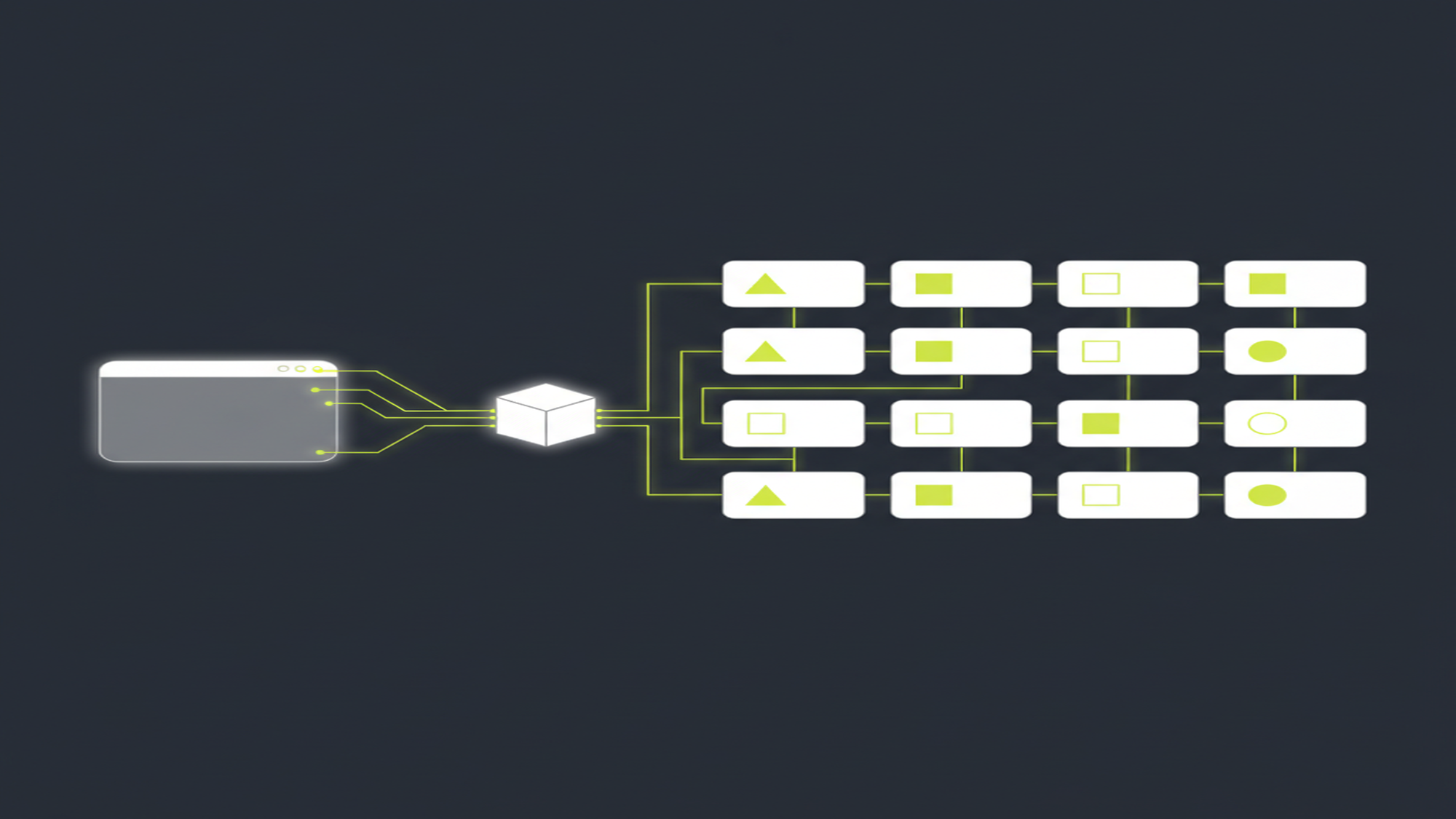
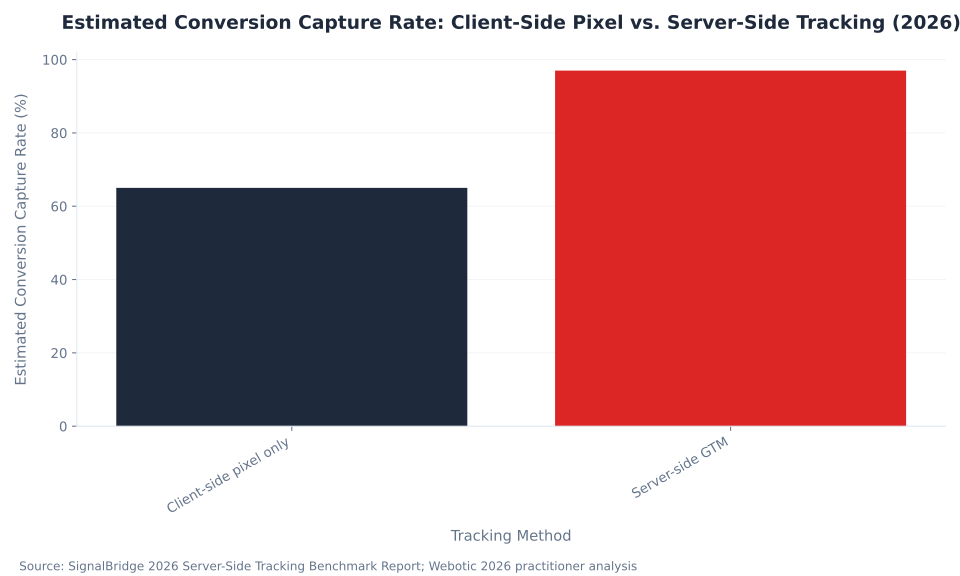
65%
estimated conversion capture rate with standard client-side pixel only
Server-side GTM recovers up to 97% capture rate — a 32-point gap that directly degrades Smart Bidding signal (SignalBridge 2026 Server-Side Tracking Benchmark)
What Is Google Ads Conversion Tracking?
Google Ads conversion tracking is the measurement layer that records which ad clicks produce valuable user actions — purchases, form submissions, calls, and app installs. Smart Bidding trains directly on this signal, making tracking accuracy a bidding input, not just a reporting metric. Every conversion Google fails to measure is signal the algorithm does not receive.
Two tag installation paths exist: the Google tag (gtag.js) pasted directly into site HTML, and Google Tag Manager for multi-tag environments. Both send conversion events from the visitor’s browser to Google’s servers. The limitation is structural: client-side tags are intercepted by ad blockers — 37% of US desktop users run them (Backlinko 2026) — shortened by Intelligent Tracking Prevention on Safari, and silenced by consent refusals for EEA and UK traffic. The result is a systematic gap between actual and measured conversions that grows with audience privacy-consciousness.
Three infrastructure layers respond to this gap: Enhanced Conversions (hashed first-party data recovery that matches conversions Google’s cookie missed), server-side tracking (server-to-server signals that bypass browser interception entirely), and Consent Mode v2 (cookieless pings that allow Google to model conversions when users decline consent). These are not reporting enhancements. They are bidding infrastructure. An account running Smart Bidding on a degraded signal trains its algorithm on incomplete data and misdirects spend accordingly. Learn more about Enhanced Conversions at Google Ads Help on Enhanced Conversions.
Google Ads bidding strategies are only as accurate as the conversion signal they receive — Smart Bidding operating on a 65% capture rate is optimizing for a distorted picture of campaign performance. Before interpreting any conversion volume figure, verify what is actually being counted and where the measurement gaps exist. The full framework for evaluating performance data is in Google Ads metrics and KPIs.
Key Takeaways
- Two attribution models remain in 2026. Data-driven attribution and last-click. First-click, linear, time-decay, and position-based were sunset in September 2023.
- Data-driven attribution is the default. Google set DDA as the default for all new conversion actions in 2024. Last-click is not the conservative choice — it is systematically inaccurate for multi-touch paths.
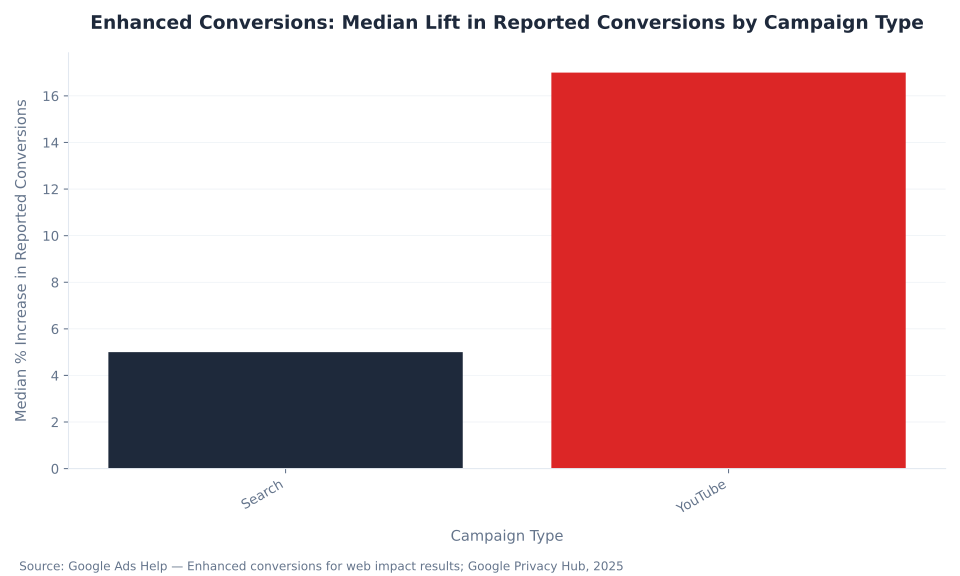
- Enhanced Conversions recovers hidden conversions. Median lift: +5% on Search, +17% on YouTube (Google Ads Help, 2025). Implementation takes one GTM template or a gtag config change.
- 37% of US desktop users run ad blockers (Backlinko 2026), intercepting client-side pixel requests before they reach Google. That signal gap is not recoverable without EC or server-side tracking.
- Consent Mode v2 is mandatory in the EEA and UK since March 6, 2024. Without it, non-consenting users send zero conversion signal — not reduced signal, zero.
- Server-side GTM recovers 62%→96% conversion capture (Webotic 2026 analysis, 18 accounts). For accounts spending $50K+/month, the signal-quality ROI justifies the infrastructure cost.
37%
of US desktop users run ad blockers
(Backlinko 2026)
+17%
median lift in YouTube conversions from Enhanced Conversions
(Google Ads Help, 2025)
4
attribution models sunset September 2023 — only 2 remain
(Search Engine Land, 2023)
How to Set Up Google Ads Conversion Tracking
Google Ads offers two installation paths: a JavaScript snippet (gtag.js) pasted directly into site HTML, or a Google Tag Manager container that fires the tag without code deploys. Both paths require a Conversion Linker tag to store click attribution data across page loads. GTM is the standard for agency-managed and multi-tag environments — it decouples tag configuration from code deployments and gives non-developers direct control over conversion event logic.
The GTM setup path follows five steps. Google is testing direct GTM integration inside the conversion setup flow (Search Engine Land, 2026), which will eventually allow advertisers to push conversion action configuration from Google Ads into GTM without leaving the platform:
- Create a conversion action in Google Ads (Tools & Settings → Conversions → +).
- Add the Conversion Linker tag in GTM (fire on All Pages) — stores click attribution in cookies and local storage.
- Create a Google Ads Conversion Tracking tag in GTM using the Conversion ID and Label from step 1.
- Set up the trigger (thank-you page URL match, form submit event, or button click event).
- Test with GTM Preview and Google Tag Assistant; submit and publish the container.
| Method | How it works | Best for | Server-side compatibility |
|---|---|---|---|
| Google tag (gtag.js) direct | Paste snippet into site HTML; fires from browser | Simple sites, developers comfortable with direct code | Requires migration to sGTM |
| Google Tag Manager | Configure tags in GTM UI; fires via container JS | Agencies, multi-tag environments, non-developers | Native sGTM integration via GTM UI |
The Conversion Linker stores the Google Click ID (GCLID) in first-party cookies and local storage so subsequent page loads can attribute the conversion back to the originating ad click. Without it, conversions from redirect chains or cross-domain journeys arrive at Google without an ad click attribution, registering as unattributed direct traffic rather than paid conversions. See Analytify's GTM conversion tracking setup guide (2026) for a detailed walk-through of each tag configuration step.
Conversion tracking configuration differs by Google Ads campaign types — Performance Max consolidates conversion signals from Search, Shopping, Display, YouTube, and Gmail into a single campaign structure, which makes accurate conversion event definitions especially critical. Misattributed conversions in a PMax campaign feed the asset-selection and audience-expansion algorithm with noise, not signal. For fashion PPC and pet supplies PPC advertisers tracking purchase conversions, the purchase event must fire once per transaction with a dynamic revenue value — not once per page load. For legal PPC firms tracking form completions and call events, deduplication between the form-submit tag and the thank-you-page tag prevents double-counting qualified leads.
A conversion pixel that fires in GTM Preview mode does not guarantee accurate measurement at scale. Ad blockers intercept client-side tag requests; ITP shortens cookie lifetimes; consent refusals in EEA/UK silence tags entirely. The diagnostic is comparing Google Ads reported conversions to CRM or backend transaction data — gaps above 10–15% signal a tracking problem worth fixing.
MB Adv Agency's standard onboarding audit routinely surfaces a meaningful gap between Google Ads reported conversions and CRM-verified transactions in accounts that have not implemented Enhanced Conversions — and that gap directly suppresses Smart Bidding signal.
Attribution Models in Google Ads — 2026 Status
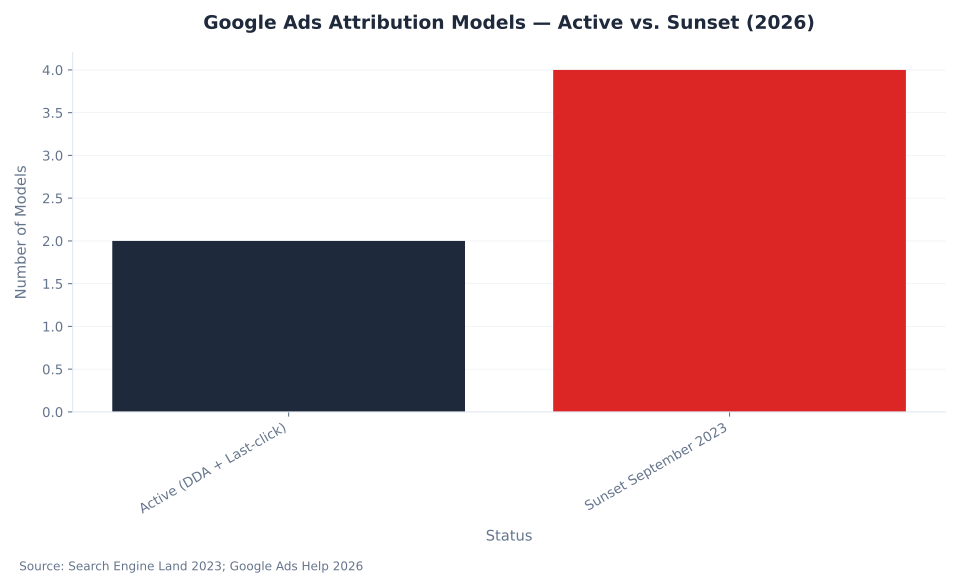
Google Ads offered six attribution models until September 2023. Four were removed: first-click, linear, time-decay, and position-based. Only data-driven attribution (DDA) and last-click remain active. Competitor content listing all six models as current options is citing outdated information — these four models have not been available for nearly three years.
The sunset followed a clear timeline. In June 2023, first-click, linear, time-decay, and position-based models became unavailable for new conversion actions. In September 2023, Google automatically migrated all remaining conversion actions using those models to data-driven attribution. The reason Google stated: fewer than 3% of conversions across Google Ads were using these four models at the time of sunset (Search Engine Land's confirmed sunset details, 2023). The migration was automatic — no advertiser action was required or possible.
| Model | Status | How it works | Best for | Notes |
|---|---|---|---|---|
| Data-driven attribution (DDA) | Active — default | ML assigns fractional credit to each touchpoint based on its actual probability of contributing to conversion | All accounts with Smart Bidding enabled; accounts with any meaningful conversion volume | No hard minimum threshold since 2024; model accuracy improves with ≥200–300 conversions/month |
| Last-click | Active | 100% credit to the final click before conversion | Accounts with compliance or audit requirements to avoid ML-based attribution; very low-volume accounts | Not a conservative choice — systematically undercredits upper-funnel touchpoints |
| First-click | Sunset September 2023 | 100% credit to first click | — | Removed; accounts migrated to DDA automatically |
| Linear | Sunset September 2023 | Equal credit across all clicks | — | Removed; accounts migrated to DDA automatically |
| Time-decay | Sunset September 2023 | More credit to clicks closer to conversion | — | Removed; accounts migrated to DDA automatically |
| Position-based | Sunset September 2023 | 40% first click / 40% last click / 20% middle | — | Removed; accounts migrated to DDA automatically |
For any account running Smart Bidding — Target CPA, Target ROAS, or Maximize Conversions — DDA is the correct attribution model. It provides per-touchpoint fractional signal that is more accurate than last-click's single-point attribution, and Smart Bidding trains directly on that signal. The Quality Score and Ad Rank framework determines which clicks receive bid weight; attribution model determines how conversion credit is distributed across those clicks — DDA gives the bidding algorithm a more accurate picture of which clicks actually drive outcomes. Last-click is defensible only for accounts with compliance requirements that prohibit ML-based attribution, or accounts with conversion volumes too low for DDA to model. See Google Ads Help on attribution models for the current official list. Before interpreting any attribution report, verify conversion event definitions are accurate — see Google Ads metrics and KPIs for the full measurement framework.
Most competitor blog posts describing first-click, linear, time-decay, and position-based attribution as current Google Ads options are citing 2022 or earlier documentation. These models have not been available since September 2023.
Enhanced Conversions: First-Party Signal Recovery
Enhanced Conversions sends hashed first-party data — email, phone, name, home address — captured at the point of conversion to Google. Google matches the hash against signed-in accounts to attribute conversions the standard cookie-based pixel misses. The data is SHA-256 hashed before it leaves the advertiser's site; Google never receives raw PII.
Three distinct failure modes in standard pixel tracking create the gap EC solves. Ad blockers intercept the gtag.js request entirely — the conversion event never reaches Google's servers. Intelligent Tracking Prevention on Safari shortens cookie lifetimes to 1–7 days, causing attribution gaps on purchase cycles longer than a week: a user who clicks an ad on Monday and converts the following weekend registers as an unattributed session. Cross-device journeys break cookie-based last-touch attribution when a user clicks on desktop but converts on mobile — no cookie state carries across devices. EC bypasses all three failure modes by sending a server-matched hash instead of relying on cookie state. See Google Ads Help on Enhanced Conversions for the full implementation overview.
| Campaign Type | Median Increase in Reported Conversions | Source |
|---|---|---|
| Search | +5% | Google Ads Help (support.google.com/google-ads/answer/10868881) |
| YouTube | +17% | Google Ads Help |
| Workshop Digital multi-account (leads) | +16% average; up to +33% at the high end | Workshop Digital case study (2026) |
Starting June 2026, Google consolidated Enhanced Conversions for web and Enhanced Conversions for leads into a single unified setting with one on/off toggle. The account-level toggle appears under Goals → Settings → Customer data use. The conversion-action-level toggle is accessible when creating or editing a conversion action. Advertisers can simultaneously send user-provided data through website tags, Data Manager, and API integrations — the previous requirement to select a single implementation method is removed. Existing advertisers with EC already active are migrated automatically; no action is required. See Search Engine Land on the EC consolidation (2026) and Google Ads Help on EC updates for the full change log.
| Method | Description | Complexity |
|---|---|---|
| GTM template | Use the EC for Web tag template in GTM; pulls hashed data from the data layer or CSS selectors | Medium |
| Google tag (gtag.js) config | Add user_data object to the gtag conversion event call | Medium |
| Google Ads API / Data Manager | Send hashed data server-to-server; highest match rate; requires technical implementation | High |
Acceptance of Google Customer Data Terms is required before EC can be enabled — this is a non-negotiable prerequisite, not an optional step. The SHA-256 hashing is one-way: the match happens inside Google's systems and the hash is not reversible on Google's side, so no raw PII is stored or accessible to Google. For fashion PPC, supplements and nutrition PPC, and furniture PPC advertisers — verticals with high ad blocker prevalence in target audiences — EC is the minimum baseline for accurate purchase conversion measurement. See Workshop Digital's Enhanced Conversions case study for a multi-account analysis of implementation lift.
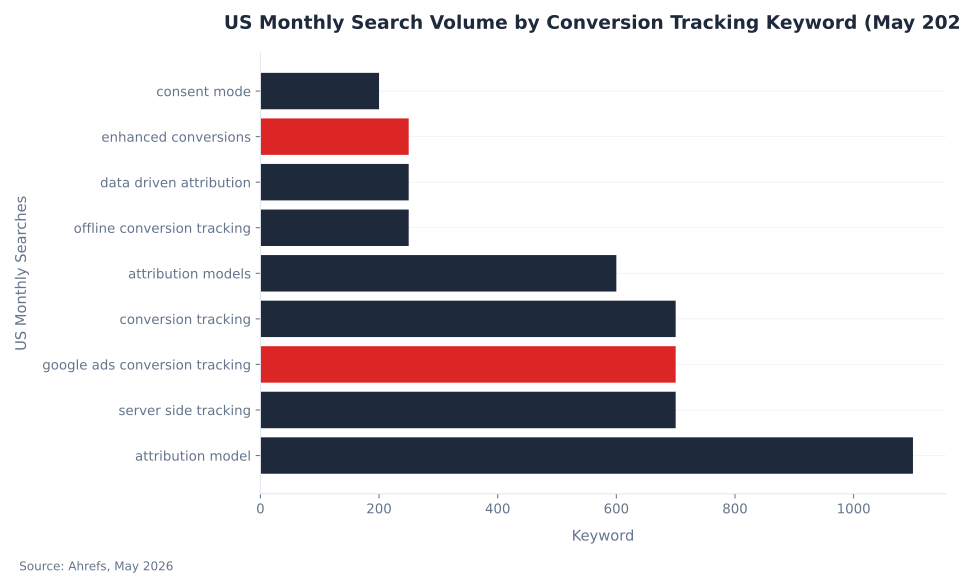
US Monthly Search Volume by Conversion Tracking Keyword (May 2026)
Data-Driven Attribution: Mechanics and Smart Bidding Impact
DDA uses machine learning to compare converting paths against non-converting paths in the account, then assigns fractional credit to each touchpoint based on its marginal contribution to conversion probability. Credit assignments change over time as the model ingests more data.
Google removed the previous data requirements — the old threshold of 3,000 ad interactions and 300 conversions within 30 days no longer applies. DDA is now available for all conversion actions regardless of volume. Model accuracy improves with more data; Google's practical guidance recommends 200–300 conversions per month for the model to produce its most accurate weighting. Full eligibility details are in Google Ads Help on data-driven attribution eligibility.
Smart Bidding algorithms — Target CPA, Target ROAS, Maximize Conversions — train directly on the attribution model's credited conversion signals. DDA provides more accurate per-keyword and per-touchpoint signal to the bidding algorithm than last-click. Switching from last-click to DDA reallocates bid weight toward upper-funnel keywords that last-click systematically undercredits. A keyword that appears low-value under last-click often shows significantly more DDA credit once the model has run for 4–6 weeks. See AdNabu's analysis of DDA and Smart Bidding interaction (2026) for a breakdown of how bid weight shifts during model stabilization.
MB Adv Agency has found that accounts switching from last-click to data-driven attribution — even on the same campaign with the same budget — see reallocation of bid weight toward upper-funnel keywords that last-click systematically undervalued, often surfacing a more efficient CPA within 4–6 weeks of model stabilization.
The 4–6 week Smart Bidding learning period after an attribution model change is a known platform behavior. During that window, bid volumes and CPAs fluctuate as the algorithm re-weights touchpoints. Do not evaluate campaign performance during the learning window — evaluate 4+ weeks after stabilization.
| Dimension | Data-Driven Attribution | Last-Click |
|---|---|---|
| Credit distribution | Fractional — spread across all touchpoints based on ML weighting | Binary — 100% to final click; zero to all others |
| Minimum conversion requirement | None — eligible at any volume | None |
| Smart Bidding compatibility | Optimal — provides per-touchpoint signal | Suboptimal — bidding algorithm sees only last-touch signal |
| Upper-funnel keyword valuation | Accurate — upper-funnel keywords receive credit proportional to their contribution | Systematically undervalued — upper-funnel keywords show $0 conversion credit |
| Attribution model changes over time | Yes — credit assignments update as the model ingests new data | Fixed — always last click |
| Best for | All Smart Bidding accounts; accounts with meaningful conversion volume | Compliance/audit requirements; accounts that cannot use ML attribution |
The attribution model is an input to Smart Bidding — not a separate reporting setting that can be changed without affecting bid behavior. Switching models mid-flight triggers a new learning period. Plan model changes around low-stakes periods in the campaign calendar and allow a full evaluation window before drawing conclusions. The full bidding framework is in Google Ads bidding strategies. For a detailed look at how DDA credit reallocates over time as the model stabilizes, see Fibbler's analysis of DDA credit reallocation over time.
Google Ads Attribution Models — Active vs. Sunset (2026)
Server-Side Tracking: Google Tag Gateway vs. Server-Side GTM
Server-side tracking moves the data-collection point from the visitor's browser to a server you control. Browser requests that ad blockers intercept never reach Google when tags fire client-side. Server-to-server signals bypass the browser's interception layer entirely.
Three forces degrade client-side pixel accuracy. First: ad blockers. 37% of US desktop users block ads (Backlinko's ad blocker usage report (2026)), intercepting gtag.js requests before they fire. Second: Intelligent Tracking Prevention. Safari limits third-party cookie lifetimes to 1–7 days, creating attribution gaps on purchase cycles longer than a week. Third: consent refusal. EEA and UK users declining cookie consent silence client-side tags entirely without Consent Mode v2 in Advanced mode. Combined effect: pixel-only advertisers are blind to an estimated 30–50% of actual conversions in privacy-constrained environments (SignalBridge 2026).
Two server-side options exist in 2026: Google Tag Gateway and server-side GTM. These are not alternatives to each other — they can be layered. GTG handles Google tag transport; sGTM handles multi-vendor fan-out and data enrichment.
| Feature | Google Tag Gateway (GTG) | Server-Side GTM (sGTM) |
|---|---|---|
| What it does | CDN-level reverse proxy; Google tag requests load as first-party from your domain | Moves all tag firing to a server container; browser sends events to your server, server routes to each platform |
| Platforms covered | Google Ads, GA4, Floodlight only (closed loop) | Google Ads, GA4 + Meta CAPI, TikTok Events API, LinkedIn Insight Tag — any platform with a server endpoint |
| Infrastructure required | None — GCP one-click deployment via Application Load Balancer | Dedicated server container (Cloud Run, AWS, or managed via Stape ~$19–$39/month entry tier) |
| Median conversion signal improvement | 11% (Napkyn / Brainlabs citing Google, 2026) | 20–40% more reported conversions (SignalBridge 2026); 62%→96% capture rate (Webotic 2026, 18 accounts) |
| Setup complexity | Low-Medium | High |
| Best for | Google-only stacks; accounts not running Meta/TikTok ads | Multi-platform advertisers; accounts spending $50K+/month where signal quality ROI justifies infrastructure cost |
| Monthly ad spend | Recommended path | Rationale |
|---|---|---|
| Under $10K/month | Enhanced Conversions on standard GTM | EC closes most of the signal gap without infrastructure overhead |
| $10K–$50K/month | Google Tag Gateway + Enhanced Conversions | GTG reduces ad blocker interception; EC recovers hashed-data conversions; no server required |
| $50K+/month | Server-side GTM (sGTM) | Signal quality ROI justifies infrastructure; multi-vendor fan-out covers all platforms |
| $250K+/month with engineering | sGTM + GTG layered | GTG handles Google tag transport; sGTM handles multi-vendor fan-out and data enrichment |
These thresholds are practitioner recommendations, not Google-defined tiers. Account-specific signal loss rates and privacy exposure determine actual ROI.
Webotic's sGTM migration analysis (2026) across 18 accounts found conversion capture improved from 62% to 96% — a 34-percentage-point recovery. That recovery feeds directly into Smart Bidding signal quality: every additional conversion the server-side container captures is a training signal the bidding algorithm uses to recalibrate keyword bid weights and audience targeting. For SaaS PPC accounts with long sales cycles, ITP-shortened cookie windows create the largest attribution gaps — server-side infrastructure extends cookie lifetimes by serving them as first-party, not third-party. MB Adv conducts a full tracking infrastructure audit before committing to performance targets for managed accounts, including PPC management in Austin and PPC management in Chicago.
Enhanced Conversions: Median Lift in Reported Conversions by Campaign Type
Consent Mode v2: EEA/UK Enforcement and Signal Behavior
Consent Mode v2 is Google's mechanism for handling user consent signals for Google tags in the EEA and UK. Without it, non-consenting users produce zero conversion signal — not reduced signal. With Advanced mode, Google tags send anonymized cookieless pings on refusal, enabling statistical modeling of estimated conversions.
Google made Consent Mode v2 mandatory for EEA and UK traffic on March 6, 2024, tied to its Digital Markets Act gatekeeper obligations. The DMA — not GDPR — is the legal driver. A US-headquartered business with any EEA or UK traffic must implement CMv2 for those users. Enforcement is based on the user's location, not the business's registered country. See Google Ads Help on Consent Mode for EEA traffic (mandatory date confirmed March 6, 2024) and Hookflash on DMA as the legal driver for a breakdown of the regulatory basis.
| Signal | Controls |
|---|---|
| ad_storage | Cookie-based ad click attribution |
| analytics_storage | Cookie-based analytics measurement |
| ad_user_data | Sending user data to Google for advertising purposes |
| ad_personalization | Personalized advertising (remarketing audiences) |
Basic mode blocks Google tags until consent is granted; nothing is sent on denial. This is equivalent to no Consent Mode for non-consenting users. Advanced mode loads tags before the consent dialog and sends cookieless pings on denial — anonymized signals (location, page, event type, no user ID) that Google uses to model estimated conversion volumes. Advanced mode is the correct implementation. See Didomi's Consent Mode v2 implementation guide (December 2025) for a CMP-by-CMP breakdown of Advanced mode configuration.
| User consent state | ad_storage | analytics_storage | ad_user_data | ad_personalization | Data sent to Google |
|---|---|---|---|---|---|
| All accepted | granted | granted | granted | granted | Full cookies + conversion events + user data for personalization |
| Analytics only (no ads) | denied | granted | denied | denied | Cookieless pings only — no conversion attribution |
| All denied | denied | denied | denied | denied | Cookieless pings (anonymized: location, page, event type); no user ID |
| No Consent Mode implemented | — | — | — | — | Nothing on denial — full data loss for non-consenting users |
Secure Privacy's Global Cookie Consent Trends 2026 report found that more than 90% of EEA advertisers have implemented Consent Mode v2. However, 67% of those implementations have technical errors — most commonly defaulting all signals to granted before the user has made a choice, which violates GDPR and defeats the purpose of consent-gated measurement. Only 23% of implementations correctly recover the intended signal from non-consenting users via cookieless pings and modeling. Dataslayer on mid-2025 enforcement tightening documents accounts that lost EEA visibility with no in-platform warning after that enforcement window closed.
MB Adv Agency now makes Consent Mode v2 verification a mandatory pre-launch checklist item for any client with European traffic, after seeing accounts lose visibility into EEA conversions with no in-platform alert. For financial services PPC and insurance PPC advertisers with European client bases, the risk from CMv2 misconfiguration is elevated — consent refusal rates are higher in privacy-sensitive categories, which means a larger share of conversions depends on the cookieless modeling path being correctly implemented. Dental PPC practices operating in multiple EEA markets face the same exposure at lower spend levels, where even a partial EEA data loss meaningfully distorts campaign performance data.
The Privacy Landscape in 2026: What Changed and What Did Not
Google retired the Privacy Sandbox initiative on October 17, 2025. Third-party cookies remain enabled in Chrome. Consent Mode v2 compliance is a DMA regulatory obligation already enforced, independent of the cookie timeline. The tracking problem persists not because of cookies — but because of ad blockers, ITP, and consent refusals that no cookie policy resolves.
Google retired the Privacy Sandbox and its core APIs — Attribution Reporting, Topics API, and Protected Audience API — on October 17, 2025, citing low adoption. CHIPS (Cookies Having Independent Partitioned State) and FedCM (Federated Credential Management) remain supported because they have broader browser adoption and are not cookie-replacement technologies. Full details are in Google's Privacy Sandbox retirement announcement (October 2025). See also Usercentrics analysis of the Privacy Sandbox shutdown for a breakdown of which APIs were retired and which remain.
Google announced in April 2025 it would not roll out any new prompts for third-party cookies and would maintain existing cookie controls in Chrome settings. Third-party cookies remain available. This does not restore signal lost to ad blockers — 37% of US desktop users run them (Backlinko 2026) — nor does it restore signal lost to ITP or EEA/UK consent refusal. Those are browser-choice and regulatory forces, not cookie-deprecation effects. Enhanced Conversions and server-side tracking remain the correct infrastructure response regardless of the cookie timeline.
The Privacy Sandbox retirement is not an all-clear for standard pixel tracking. Ad blockers, ITP, and EEA/UK consent refusals are independent of third-party cookie status. A pixel-only advertiser in 2026 still faces 30–50% signal loss in privacy-constrained environments (SignalBridge 2026).
Local service advertisers with high mobile conversion rates are disproportionately affected by ITP's shortened cookie windows. HVAC PPC and plumbing PPC accounts see a significant share of their conversions on mobile Safari — the browser where ITP is strictest — meaning standard pixel tracking misses a material portion of booked jobs from ad clicks. City-level advertisers in markets like HVAC PPC in Flagstaff and plumbing PPC in Missoula face the same ITP exposure at lower absolute budgets, where each missed conversion carries more weight in the bidding signal. The infrastructure fix is the same regardless of scale: Enhanced Conversions for Leads recovers form completions lost to ITP's shortened cookie windows, and Google Tag Gateway reduces ad blocker interception at no dedicated server cost.
Offline Conversion Tracking for Lead-Gen Accounts
Offline conversion tracking (OCT) imports verified conversion events from a CRM or backend system back into Google Ads, crediting the originating ad click. It closes the attribution gap for businesses that close sales offline — phone, in-person, CRM pipeline — where the conversion cannot be measured by a website pixel.
Google Ads writes a Google Click ID (GCLID) to every ad click. The advertiser captures the GCLID alongside the lead form submission. When the offline event fires — qualified lead, closed deal, booked appointment — the GCLID plus conversion timestamp and optional conversion value is uploaded back to Google Ads. Standard OCT relies on the GCLID persisting through the user's journey, a limitation when users switch browsers or devices between click and conversion. See Google Ads Help on offline conversion imports for the full mechanism and upload requirements.
| Method | Description | Best for |
|---|---|---|
| Manual CSV upload | Download template, populate GCLID + event data, upload via Google Ads UI | Low-volume lead-gen; testing before automation |
| Data Manager | Google's automated import tool; replaces retired Salesforce direct connector (retired May 31, 2025) | CRM integrations; high-volume automated imports |
| Google Ads API | Programmatic upload of conversion events | Engineering-resourced teams with custom CRM builds |
| Third-party connectors | Zapier, HubSpot native integration, Salesforce via Data Manager | SMBs using common CRM stacks without engineering resources |
Salesforce's legacy direct integration with Google Ads was retired on May 31, 2025. Salesforce data must now route through Data Manager. See Google Ads Help on offline conversion imports FAQs for the migration path.
For lead-gen accounts in 2026, Enhanced Conversions for Leads is the recommended OCT method. Instead of relying solely on GCLID persistence, EC for Leads matches hashed user-provided data — email and phone — captured at the lead form. This match survives browser switching and device changes that break standard GCLID-based tracking. Following the June 2026 unification, EC for Leads is now part of the single Enhanced Conversions toggle — advertisers enable it at the account or conversion-action level without selecting a separate implementation path. Legal PPC, dental PPC, financial services PPC, and insurance PPC are the lead-gen verticals where offline conversion tracking is standard — deals close in a CRM, not on a thank-you page, and the GCLID must travel with the lead through the sales cycle. Local-intent accounts including legal PPC in Missoula, automotive PPC in Austin, and auto repair PPC in Dallas follow the same OCT model at smaller volume, where EC for Leads addresses the device-switching gap that GCLID-only tracking cannot close.
Estimated Conversion Capture Rate: Client-Side Pixel vs. Server-Side Tracking (2026)
Is your conversion tracking accurate enough to trust your bidding?
MB Adv Agency audits conversion tracking setup, Enhanced Conversions implementation, and attribution model selection as part of every managed account engagement.
See how we manage SaaS PPC →Four Misconceptions About Google Ads Conversion Tracking
Four misconceptions appear consistently in account audits and client briefs. Each leads to a specific, measurable error — either in attribution model selection, tracking implementation, or compliance status. Correcting them is the prerequisite for trusting conversion data and bidding on it.
Misconception 1: "Last-click is the safe default."
Last-click was the default until Google changed it. Data-driven attribution is the default for all new conversion actions as of 2024 (Google Ads Help). Last-click is not conservative — it is systematically wrong for any multi-touch path. It actively degrades Smart Bidding by underweighting the touchpoints that influenced conversions without being the final click. The only defensible case for last-click is an account with a compliance or auditing requirement that prohibits ML-based attribution.
Misconception 2: "The pixel just works after you install it."
Standard Google Ads conversion pixels fail silently. Ad blockers strip the gtag.js request. ITP on Safari shortens cookie lifetimes to 1–7 days, causing attribution gaps on purchase cycles longer than a week. A pixel that fires in GTM Preview mode does not mean conversions are measured accurately at scale. The diagnostic: compare Google Ads reported conversions to CRM or backend transaction data. Gaps above 10–15% indicate a tracking problem worth fixing with Enhanced Conversions or server-side infrastructure.
MB Adv Agency now makes Consent Mode v2 verification a mandatory pre-launch checklist item for any client with European traffic, after seeing accounts lose visibility into EEA conversions with no in-platform alert.
Misconception 3: "The four old attribution models are still available."
First-click, linear, time-decay, and position-based attribution were fully removed from Google Ads by September 2023. Accounts using them were automatically migrated to data-driven attribution. Content describing these models as current options is citing 2022 documentation. They cannot be selected for new or existing conversion actions. Fewer than 3% of conversions used the four sunset models at the time of removal — a figure Google itself stated as the rationale for the sunset (Search Engine Land 2023).
Misconception 4: "Consent Mode v2 only matters for EU businesses."
A US-headquartered business that has any EEA or UK visitors — via organic, paid, or direct traffic — must implement Consent Mode v2 for those users. Google enforces it at the session level based on the user's location, not the business's registered country. A US e-commerce brand selling internationally that skips Consent Mode v2 loses measurable conversion data for every EEA user who declines cookie consent — and receives no in-platform alert when this happens.
Conversion Tracking Priorities by Industry
E-Commerce
Priority: Purchase tracking with Enhanced Conversions for web. High ad blocker prevalence in younger demographics makes standard pixel unreliable. Server-side GTM is justified for $50K+/month budgets. EC for web on GTM closes most of the gap for sub-$50K accounts.
Legal & Financial Services
Priority: Lead form tracking with EC for Leads plus offline conversion import when deals close in CRM. Consent Mode v2 is critical for firms with international client bases. Data-driven attribution surfaces which case-type queries drive qualified lead volume.
Local Service Businesses
Priority: Call tracking (Google Ads forwarding number or third-party) plus form tracking. OCT to import booked jobs. ITP affects mobile Safari users — a significant share of local-intent searches. EC for Leads recovers form conversions lost to device-switching.
SaaS & Software
Priority: Trial signup and MQL tracking with extended attribution windows (SaaS purchase cycles exceed ITP's 7-day cookie lifetime). Server-side GTM resolves the ITP gap. DDA is critical for SaaS — high-intent queries often appear mid-funnel, not at last click.
Frequently Asked Questions: Google Ads Conversion Tracking
Ready to audit your conversion tracking setup?
A full tracking audit — conversion tag validation, Enhanced Conversions review, attribution model check — is the first step in any MB Adv account engagement.
Get in touch →Methodology
Search volume data from Ahrefs Keywords Explorer (US, May 2026). Conversion lift figures for Enhanced Conversions from Google Ads Help (support.google.com/google-ads/answer/10868881) and Google Privacy Hub. Server-side tracking benchmark figures from the SignalBridge 2026 Server-Side Tracking Benchmark Report and Webotic's 2026 practitioner analysis of 18 migrated accounts. Attribution model sunset timeline confirmed from Search Engine Land (2023) and Google Ads Help. Consent Mode v2 adoption and misconfiguration rates from Secure Privacy's Global Cookie Consent Trends 2026 report. Privacy Sandbox retirement confirmed from Google's official blog (October 17, 2025). Last updated: June 2026. Reviewed by MB Adv Agency, June 2026.

As a Google Ads expert, I bring proven expertise in optimizing advertising campaigns to maximize ROI.
I specialize in sharing advanced strategies and targeted tips to refine Google Ads campaign management.
Committed to staying ahead of the latest trends and algorithms, I ensure that my clients receive cutting-edge solutions.
My passion for digital marketing and my ability to interpret data for strategic insights enable me to offer high-level consulting that aims to exceed expectations.
Google Partner Agency
We're a certified Google Partner Agency, which means we don’t guess — we optimize withGoogle’s full toolkit and insider support.
Your campaigns get pro-level execution, backed by real expertise (not theory).

4.9 out of 5 from 670+ reviews on Fiverr.
That’s not luck, that’s performance.
Highly recommend Matteo to set up your server side tracking. He has a deep understanding of e-commerce tracking and will go above and beyond to make sure everything is set up correctly and working 100%. If you are scaling your store this set up is non-negotiable in my opinion and there isn't many people who have this much knowledge or put the effort in to get it right. Thanks again!

avorodesign.com
I can only recommend Matteo! He was very patient, professional and very knowledgeable about GA4, Consent Mode v2, and GDPR compliance. Communication was clear, and the setup was done professionally and efficiently. Highly recommend him for anyone needing reliable tracking implementation.

www.natureiki.life
Matteo shines in the realm of online professionals. His work is not only deep in data but also complemented by his proactive communication and cooperation, setting a new standard for freelancers. If you want someone who truly exceeds expectations, look no further. Highly recommended!

www.omanbeverlysmyth.com
Exceptional Service Beyond Expectations - Outstanding Service Impeccable depth, flawless delivery, and exceptional language fluency—this service exceeded all expectations. Highly recommended. Matteo truly ROCKS!!!

ium-paris.com
Top-notch, always highly value working with Matteo. An absolute Google Ads Genius. This is approximately the 8th time I have hired him and he's helped us get 6-7 ROAS. We are excited in continuing to improve our lead flow. Hire this guy if you need Google Ads help. Thanks Matteo!

www.dleeventgroup.com
I finally found the guy who can setup server side tracking and all the ecosystem properly. I definitely recommend Matteo. He is very responsive, kind and wants to dig into things. He configured GA4, Meta, Google Ads, Outbrain and google consent v2 with Cookiebot. Thanks Matteo.

inomega.fr
MB Adv delivered exceptional work with outstanding professionalism and lots of patience, taking time to see effects of changes made and not just do the work and submit it. The proactive communication and video summaries of the work completed made working with Matteo a pleasure, as he consistently went above and beyond. Highly recommended for web analytics projects! We are already working on another project.

www.withnellsensors.co.uk
Working with Matteo on my Google Ads was a game-changer. He's not just a strategist, he's a true partner. He understood my goals and tailored a campaign that perfectly reached my target audience. I'm grateful for his expertise and dedication.

dccargo.com
Click-driven mind
with plastic-brick obsession.
We build Google Ads campaigns with the same mindset we use to build tiny brick worlds: strategy, patience, and zero tolerance for wasted pieces.
Data is our blueprint. Growth is the only acceptable outcome.